
Arachnid · GBIF taxon 2131878
Redlegged Earth Mite
Halotydeus destructorAlso known as Red-legged Earth Mite
Redlegged earth mites feature velvety black bodies paired with striking orange-red legs, making them easy to recognize under magnification. They aggregate in large feeding clusters on seedling leaves, using piercing mouthparts to rupture leaf tissues and drink sap, which creates silvered or bleached patches on crops. Originating in southern Africa, they have become major agricultural pests across southern Australia, particularly affecting pastures, legumes, and canola plants during cooler months.
MicroscopicAgriculturalPest
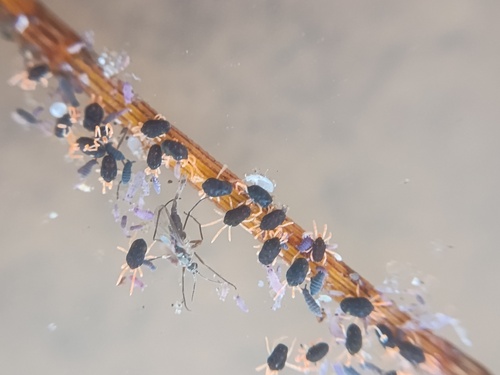
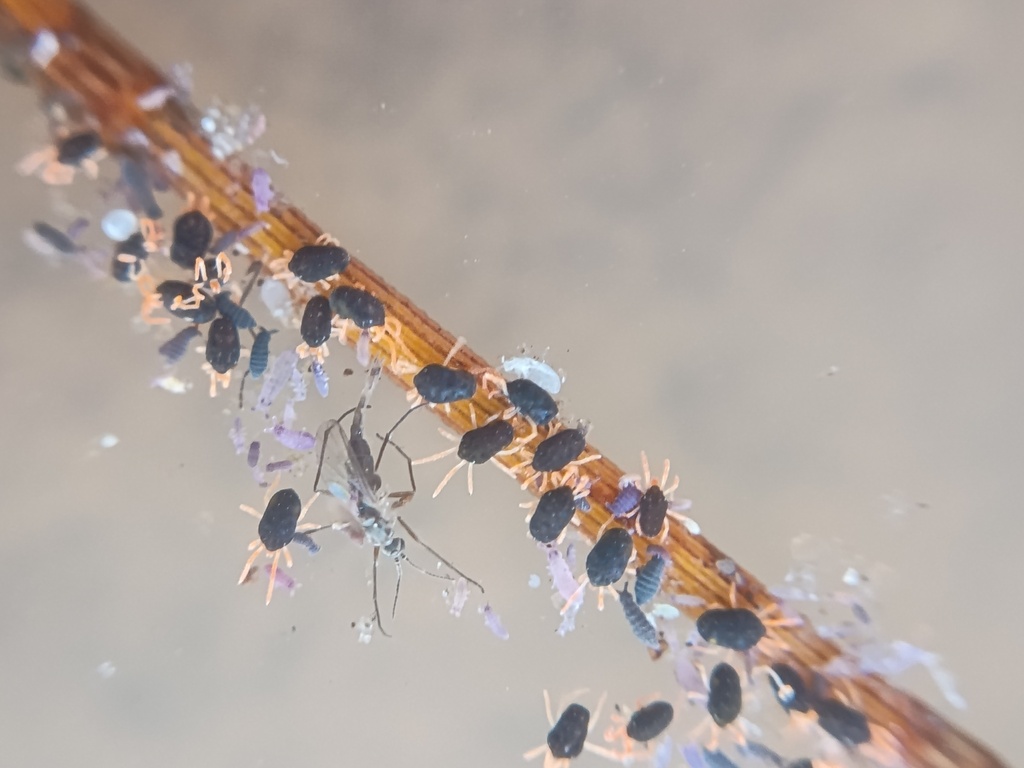
—observations
—countries
—peak records
Not EvaluatedConservation statusIUCN Red List categoriesLCNTVUENCREWEXNot Evaluated — not placed on the risk ladderRed List categories, explained →
Diet & prey
- Subterranean clover
- Canola seedlings
- Grasses and weeds
Predators
- Predatory mites
- Rove beetles
- Lacewing larvae
ThreatsChemical pesticides and cultivation
HabitatsPastures, crop fields, gardens, grasslands
Life span2–8 weeks as adults
Classification
- FamilyPenthaleidae
- SpeciesHalotydeus destructor
Range data is not available yet.
Interaction riskLow
- Low
- Moderate
- High
- Very high
- Why interaction risk is low
- Safe to observe at a normal distance.
Responsible observation
- Spotting: Search seedling leaves in autumn and winter for dark clusters with red legs.
- Damage Check: Look for silvered or bleached patches on subterranean clover and young canola plants.
- Magnification: Use a 10x hand lens to observe feeding aggregations clearly.
 Image unavailable
Predator 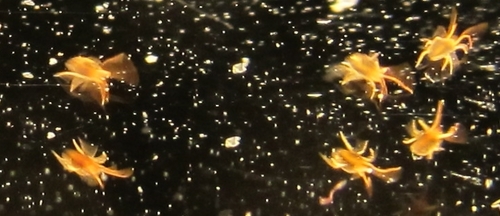
Look-alike (c) Raquel Baranow, some rights reserved (CC BY) · cc-byClose Relative
Help improve the field guideSomething wrong?
Checking your Fauna account…Report a name, category, or profile issue for review.