
Invertebrate
Thermocyclops crassus
Thermocyclops crassusThermocyclops crassus is an active planktonic cyclopoid copepod common in warm, nutrient-rich standing freshwaters throughout temperate and subtropical regions. Propelled through the water column by rhythmic strokes of its thoracic swimming legs, it alternates between rapid darting leaps and gentle sink-and-glide phases. Adult females carry two compact, paired egg sacs securely fastened to their abdomen until nauplius larvae hatch into the pelagic drift.
PlanktonicFreshwaterMicroscopic
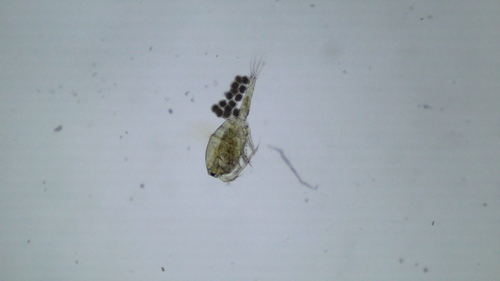
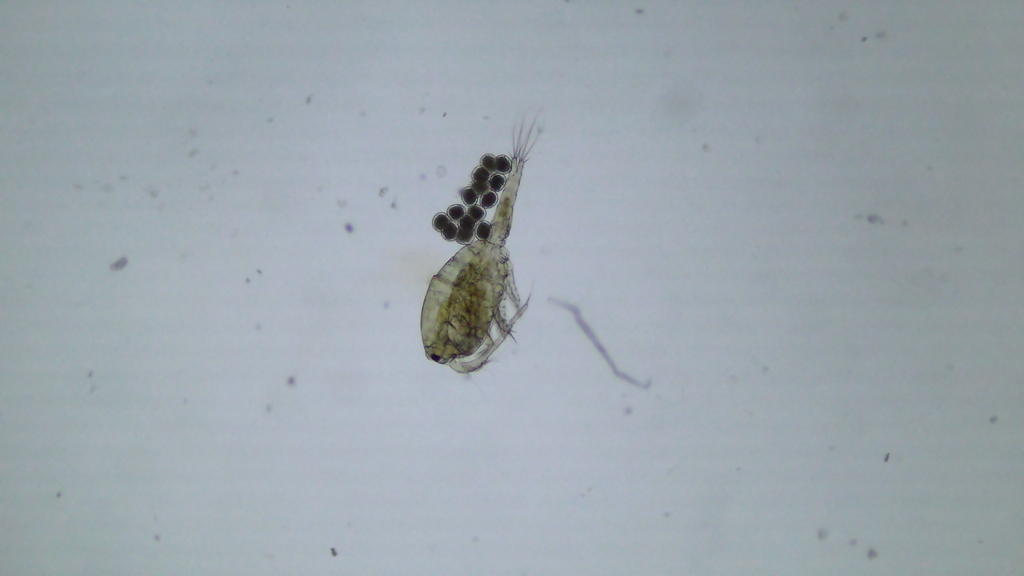
—observations
—countries
—peak records
Not EvaluatedConservation statusIUCN Red List categoriesLCNTVUENCREWEXNot Evaluated — not placed on the risk ladderRed List categories, explained →
Diet & preyUnicellular green algae, Ciliates, Rotifers
Predators
- Juvenile freshwater fish
- Chaoborus midge larvae
- Leptodora kindtii
ThreatsSevere water pollution, chemical contamination, and pesticide runoff
HabitatsEutrophic lakes, ponds, reservoirs, and slow-moving rivers
Life span1–3 months
Classification
- FamilyCyclopidae
- SpeciesThermocyclops crassus
Range data is not available yet.
Interaction riskLow
- Low
- Moderate
- High
- Very high
- Why interaction risk is low
- Safe to observe at a normal distance.
Responsible observation
- Microscope viewing: Collect water using a fine plankton net and observe live specimens under low magnification.
- Spotting egg sacs: Look for adult females bearing two symmetric, spherical egg clusters behind the body.
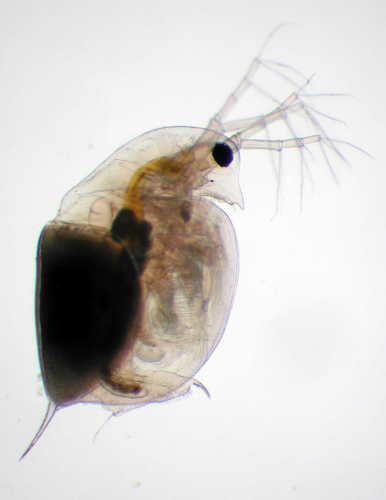
Competitor (c) Dieter Ebert, Basel, Switzerland, some rights reserved (CC BY-SA) · cc-by-sa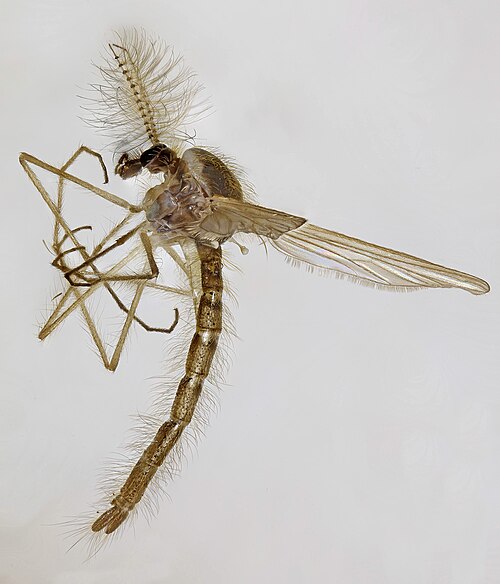
Predator Janet Graham / CC BY 2.0 · cc-by Image unavailable
Same Family 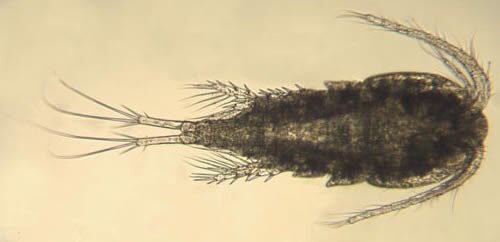
Same Family US Geological Survey / Public domain · cc0
Help improve the field guideSomething wrong?
Checking your Fauna account…Report a name, category, or profile issue for review.