
Invertebrate
Pacific Acorn Barnacle
Balanus glandulaAlso known as Common Acorn Barnacle, White Acorn Barnacle
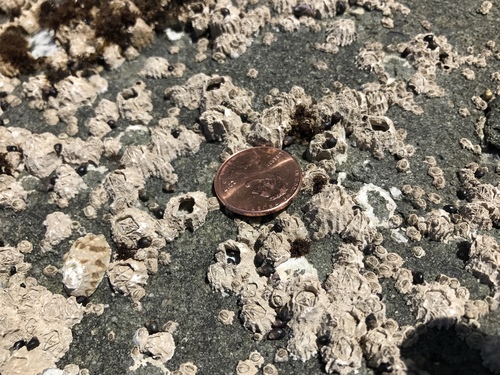
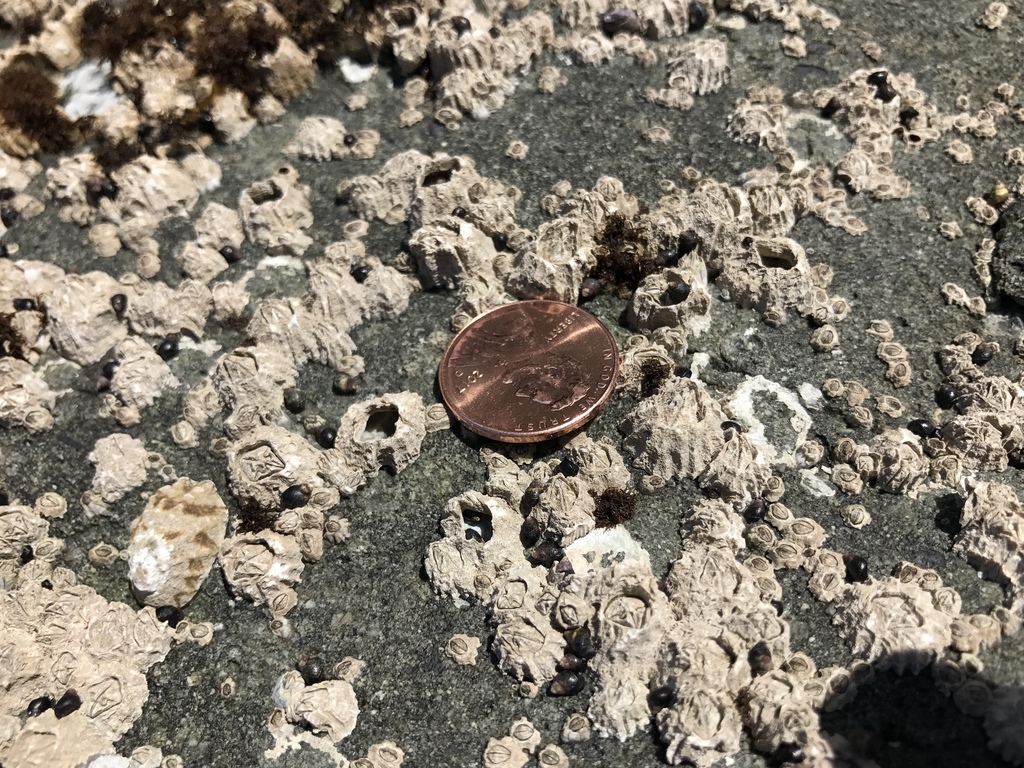
Pacific acorn barnacles carpet rocky coastlines by the millions, cementing their conical white shells permanently to bedrock, pilings, and shells of neighboring intertidal life. When the tide rises, they open a central operculum and extend feathery thoracic appendages called cirri, rhythmically raking the turbulent water for drifting plankton and organic detritus. During low tide exposure, they seal their interlocking calcareous plates tight to retain precious moisture and can absorb atmospheric oxygen directly from damp air.
IntertidalCrustaceanFilter Feeder
—observations
—countries
—peak records
Not EvaluatedConservation statusIUCN Red List categoriesLCNTVUENCREWEXNot Evaluated — not placed on the risk ladderRed List categories, explained →
Diet & preyDiatoms, Copepods, Invertebrate Larvae
Predators
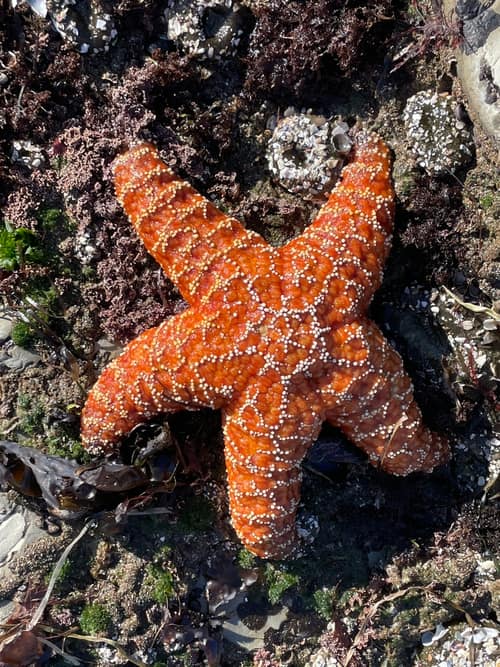
- Ochre Sea Star
- Emarginate Dogwhelk
- Black Oystercatcher
ThreatsCoastal pollution, heatwaves during low tide, and ocean acidification
HabitatsRocky high to mid-intertidal shores, wharf pilings, and estuarine rocks
Life span8–10 years
Classification
- FamilyBalanidae
- SpeciesBalanus glandula
Range data is not available yet.
Interaction riskLow
- Low
- Moderate
- High
- Very high
- Why interaction risk is low
- Safe to observe; step carefully as broken shells on exposed rocks can cause cuts.
Responsible observation
- Tide Watching: Visit exposed rocky shores during an incoming tide to watch their feathery cirri sweep the water.
- Tread Carefully: Avoid walking heavily on dense colonies, as crushing their fragile shells harms local populations.
- Look-Alike Spotting: Check for a distinct wavy suture line where the two inner opercular plates meet.
Predator no rights reserved · cc0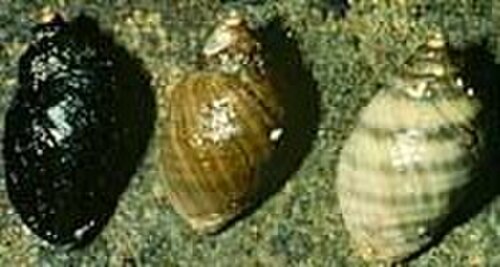
Predator Wikimedia Commons / Public domain · cc0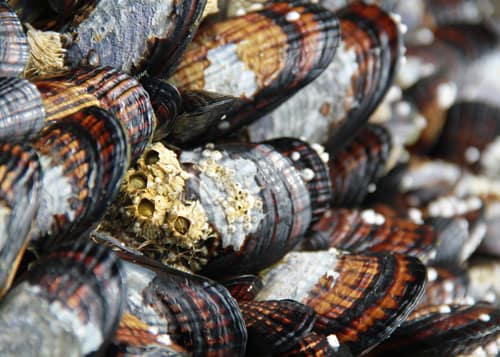
Competitor (c) Oregon Department of Fish & Wildlife, some rights reserved (CC BY-SA) · cc-by-sa Image unavailable
Neighbor Same Genus
Help improve the field guideSomething wrong?
Checking your Fauna account…Report a name, category, or profile issue for review.