
Invertebrate · GBIF taxon 2113807
Gooseneck Barnacle
Pollicipes polymerusAlso known as Leaf Barnacle, Pacific Gooseneck Barnacle
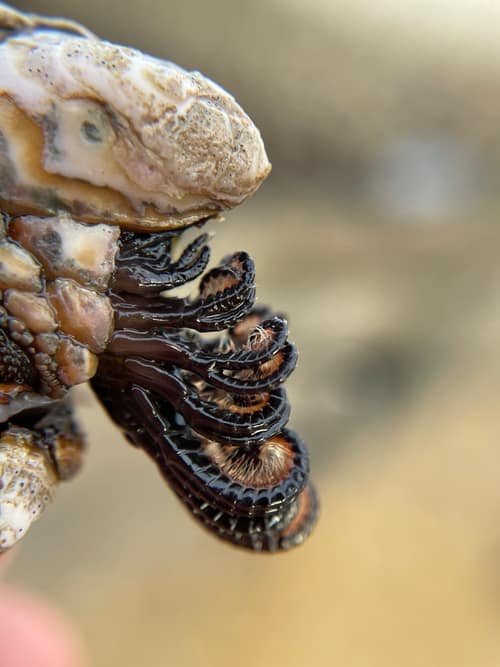
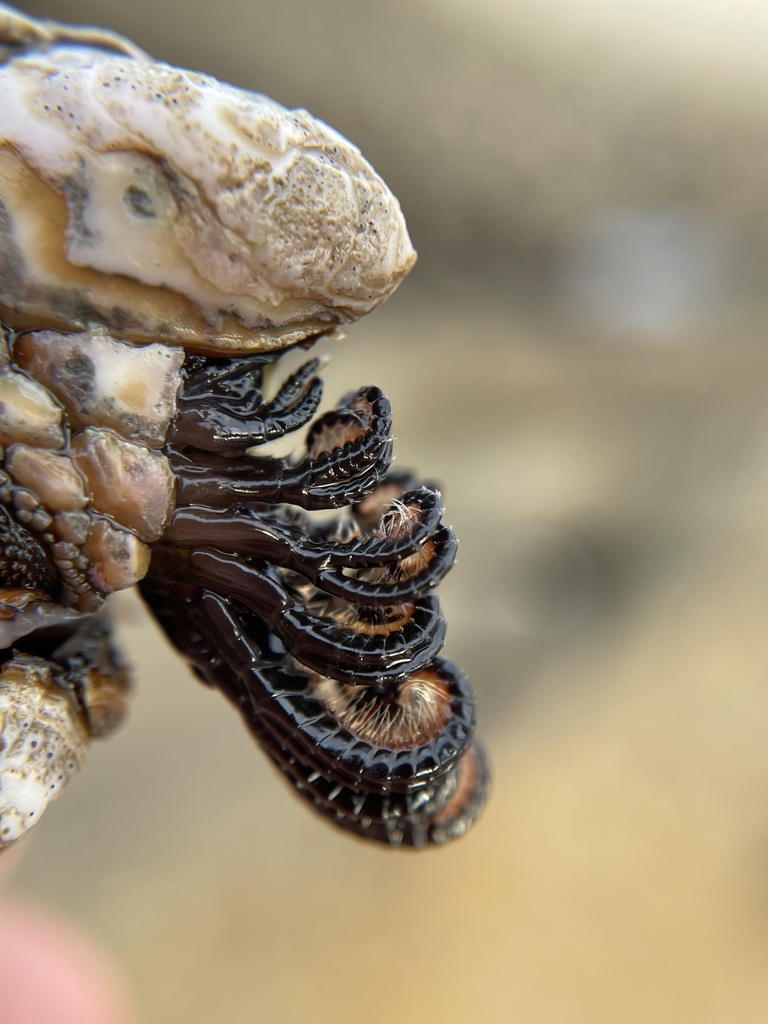
Gooseneck barnacles thrive in high-energy intertidal zones along the Pacific coast, anchoring tightly to wave-battered rocks in dense, crowded clusters. Each individual features a flexible, leathery stalk topped by a shell-like capitulum composed of smooth white plates and bright red mantle tissue. When submerged or swept by surging surf, they extend feathery legs called cirri into the water column to filter plankton.
MarineCrustaceanIntertidal
 1 / 7
1 / 7—observations
—countries
—peak records
Not EvaluatedConservation statusIUCN Red List categoriesLCNTVUENCREWEXNot Evaluated — not placed on the risk ladderRed List categories, explained →
Diet & prey
- Zooplankton
- Phytoplankton
- Organic Detritus
Predators
- Ochre Sea Star
- Glaucous-winged Gull
- Sea Otter
ThreatsOverharvesting, severe storm surges, and ocean warming
HabitatsWave-exposed rocky intertidal shores
Life span5–20 years
Size / weightNot available
Classification
- OrderPedunculata
- FamilyPollicipedidae
- GenusPollicipes
- SpeciesPollicipes polymerus
Range data is not available yet.
Interaction riskLow
- Low
- Moderate
- High
- Very high
- Why interaction risk is low
- Safe to observe at a normal distance.
Responsible observation
- Low Tide Timing: Plan visits during negative low tides to safely access outer coast rocky beds.
- Observe Feeding: Watch underwater crevices where cirri sweep through receding wave surges.
- Tread Carefully: Avoid stepping directly on colonies to protect their delicate leathery stalks.
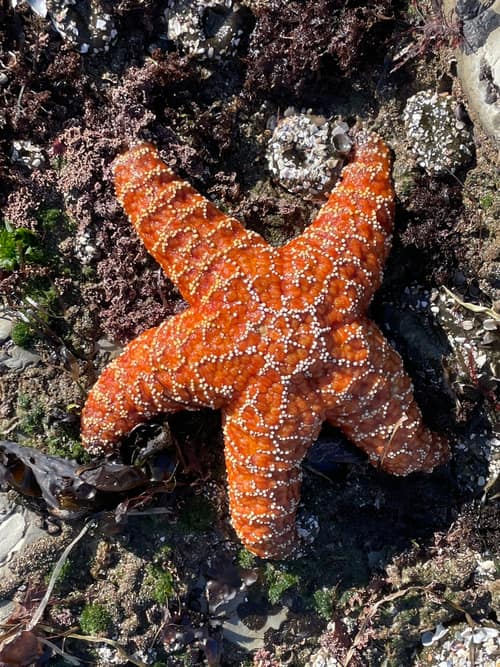
Predator no rights reserved · cc0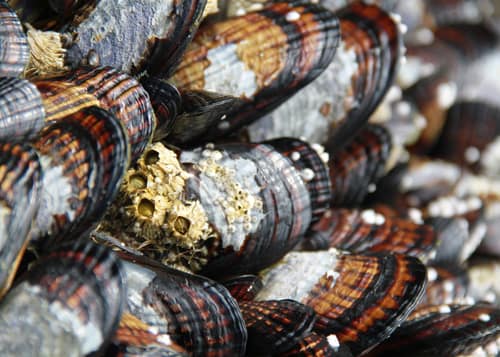
Competitor (c) Oregon Department of Fish & Wildlife, some rights reserved (CC BY-SA) · cc-by-sa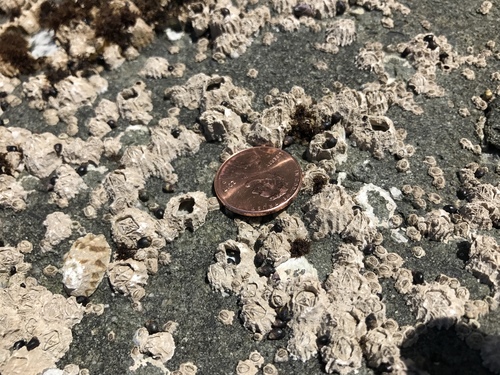
Ecological Neighbor (c) Nelson Balcar, some rights reserved (CC BY), uploaded by Nelson Balcar · cc-by
Help improve the field guideSomething wrong?
Checking your Fauna account…Report a name, category, or profile issue for review.