
Insect
Ormenoides venusta
Ormenoides venustaAlso known as Pawpaw Planthopper
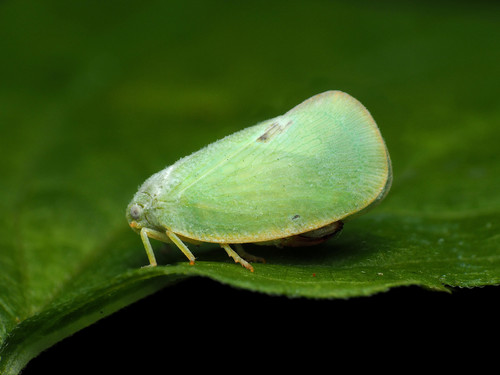
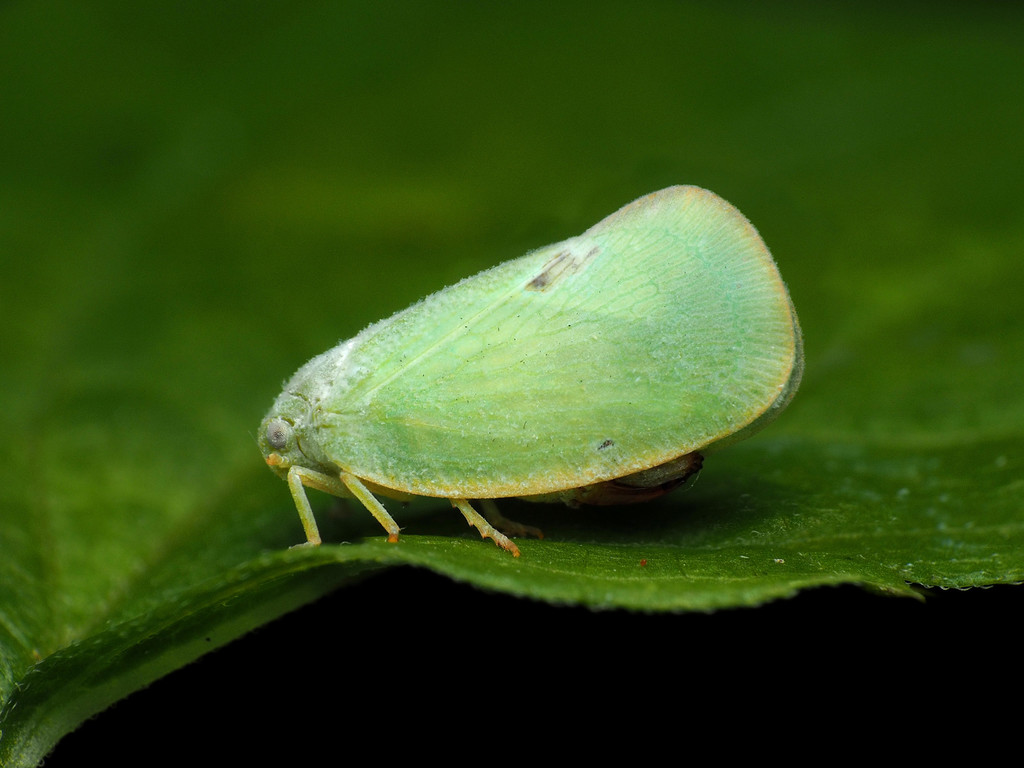
Pawpaw planthoppers perch motionless along shaded stems and under foliage, masquerading as tiny leaves or plant bracts with their flattened, wedge-shaped wings. Nymphs hatch in late spring and cloister beneath a dense coat of waxy white filaments that deters predators and prevents desiccation. Adults emerge by midsummer, using piercing-sucking mouthparts to tap into the phloem stream of native trees and woody vines.
HerbivoreSap-feederCamouflaged
—observations
—countries
—peak records
Not EvaluatedConservation statusIUCN Red List categoriesLCNTVUENCREWEXNot Evaluated — not placed on the risk ladderRed List categories, explained →
Diet & preyPawpaw phloem sap, Grapevine phloem sap, Woody tree sap
Predators
- Jumping spiders
- Assassin bugs
- Insectivorous songbirds
ThreatsBroad-spectrum insecticide use and habitat clearing of native understory plants
HabitatsDeciduous woodlands, forest edges, bottomland thickets, and suburban gardens
Life spanAbout 1 year
Classification
- FamilyFlatidae
- SpeciesOrmenoides venusta
Range data is not available yet.
Interaction riskLow
- Low
- Moderate
- High
- Very high
- Why interaction risk is low
- Safe to observe at a normal distance.
Responsible observation
- Approaching: Move slowly to avoid triggering their powerful hind legs, which launch them quickly into flight.
- Locating: Check the undersides of pawpaw and wild grape leaves in midsummer for resting adults.
- Nymph Spotting: Look in late spring along woody twigs for tufts of white waxy fluff that conceal feeding young.
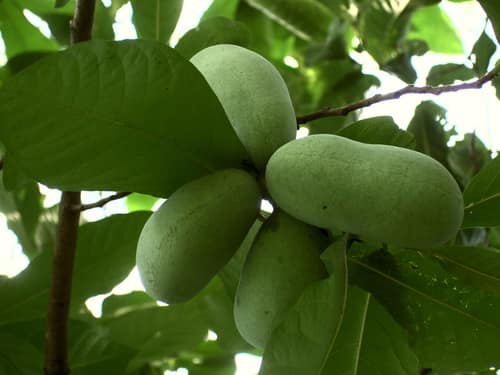
Host Plant (c) Wendell Smith, some rights reserved (CC BY) · cc-by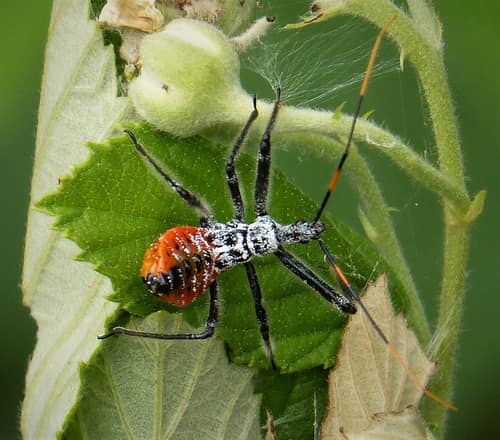
Predator (c) gailhampshire, some rights reserved (CC BY) · cc-by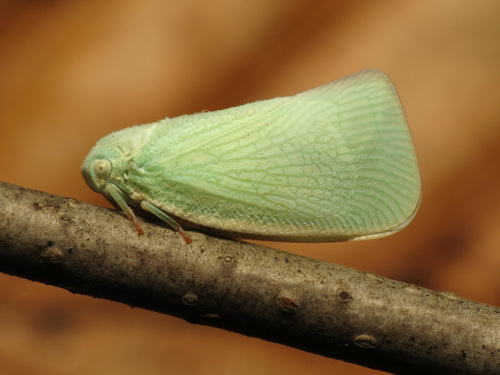
Close Relative (c) Katja Schulz, some rights reserved (CC BY) · cc-by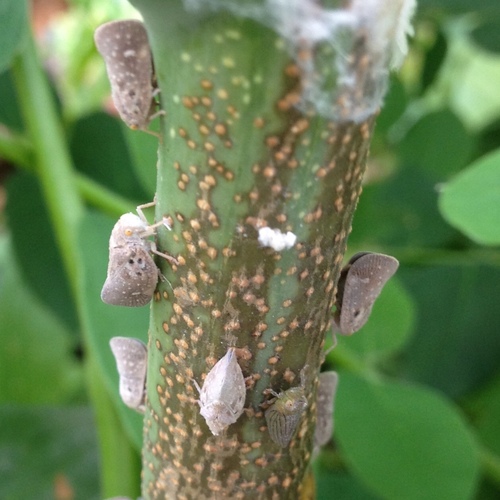
Close Relative (c) Antonia Bookbinder, some rights reserved (CC BY-SA), uploaded by Antonia Bookbinder · cc-by-sa
Help improve the field guideSomething wrong?
Checking your Fauna account…Report a name, category, or profile issue for review.