
Insect · GBIF taxon 2050244
Eastern Boxelder Bug
Boisea trivittataAlso known as Boxelder Bug, Box Bug, Maple Bug
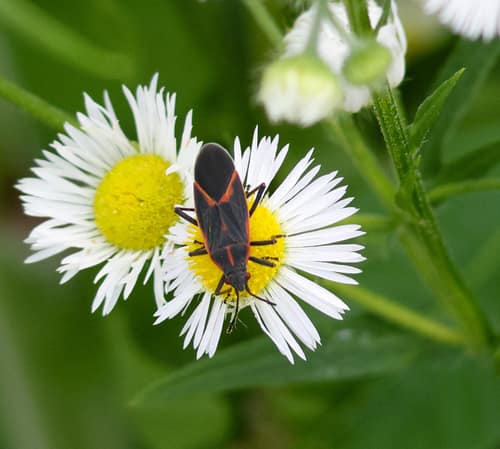
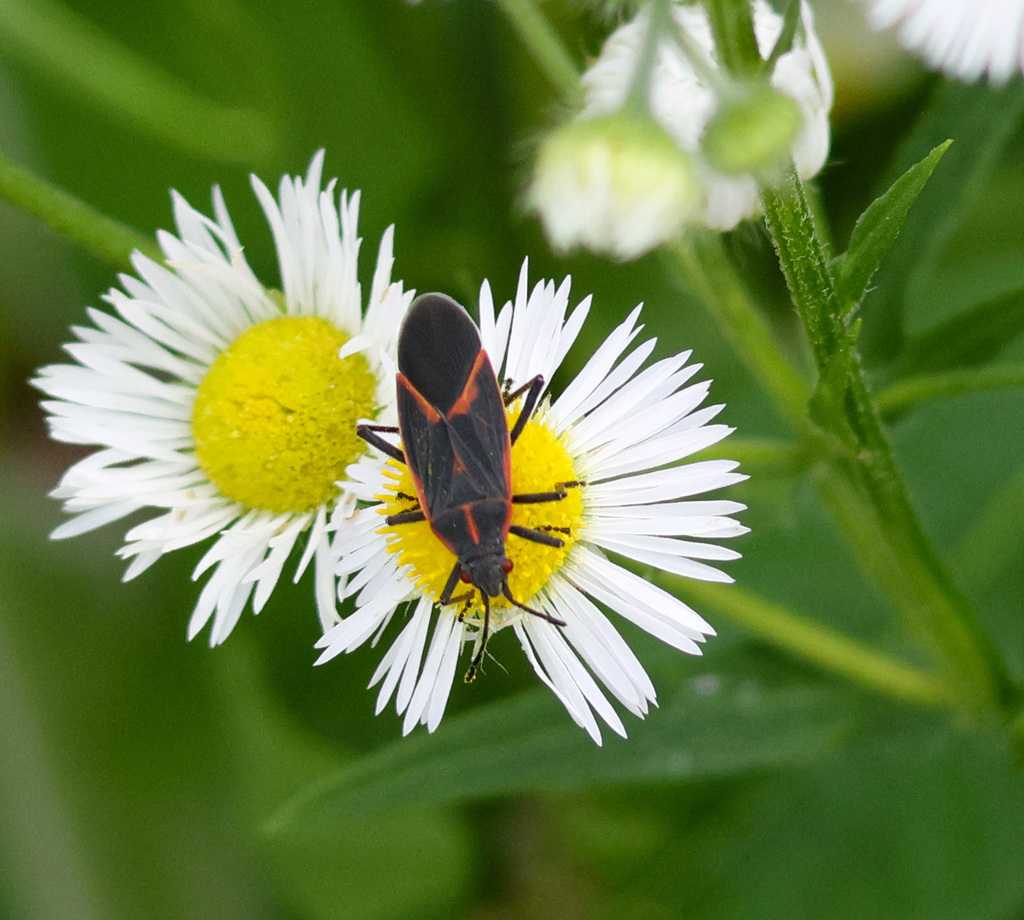
Eastern boxelder bugs assemble in striking sun-warmed aggregations on tree trunks, rocks, and south-facing walls as autumn approaches. These flattened insects pierce seeds and seedpods of boxelder trees and maples to feed on nutrients using their slender beaks. Highly recognizable by dark charcoal bodies framed in vivid reddish-orange lines, adults overwinter together in dry, sheltered crevices.
True BugAggregationInsect
 1 / 7
1 / 7—observations
—countries
—peak records
Not EvaluatedConservation statusIUCN Red List categoriesLCNTVUENCREWEXNot Evaluated — not placed on the risk ladderRed List categories, explained →
Diet & prey
- Boxelder tree seeds
- Maple tree seeds
- Ash tree sap
Predators
- Spiders
- Praying mantises
- Birds
ThreatsSevere winter freezes, habitat removal, pesticide application
HabitatsDeciduous forests, parks, residential neighborhoods, and building exteriors
Life spanUp to 1 year
Size / weightNot available
Classification
- OrderHemiptera
- FamilyRhopalidae
- GenusBoisea
- SpeciesBoisea trivittata
Range data is not available yet.
Interaction riskLow
- Low
- Moderate
- High
- Very high
- Why interaction risk is low
- Safe to observe at a normal distance.
Responsible observation
- Autumn aggregations: Look for large groups sunning on south-facing walls or trunks during cool days.
- Indoor exclusion: Seal exterior cracks around windows to prevent them from entering homes in winter.
- Preventing stains: Avoid crushing these bugs indoors, as their secretions can discolor light fabrics.
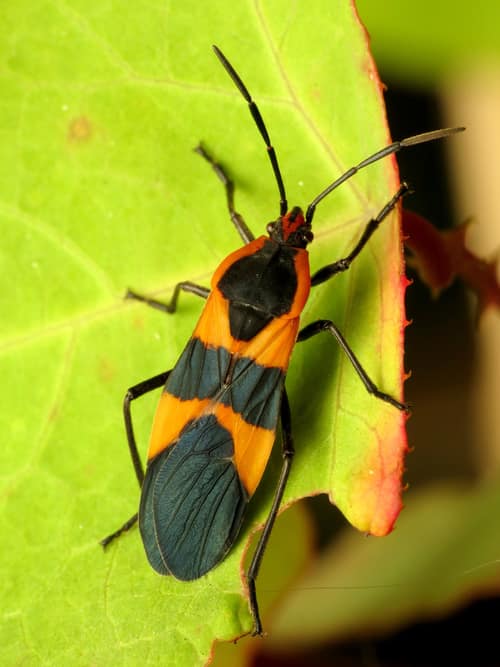
Look-alike (c) Katja Schulz, some rights reserved (CC BY) · cc-by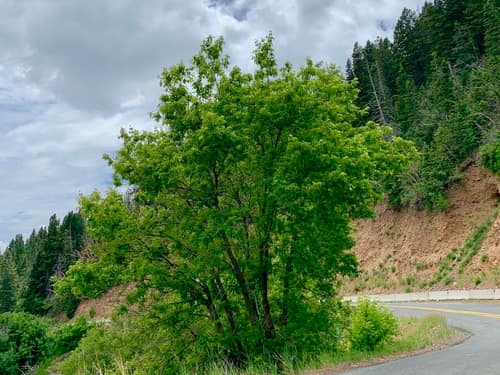
Host Plant CK Kelly / CC BY 4.0 · cc-by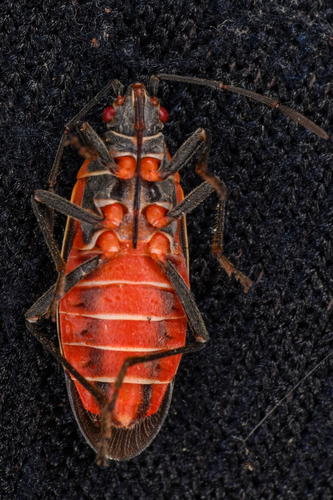
Close Relative (c) Trevor Van Loon, some rights reserved (CC BY), uploaded by Trevor Van Loon · cc-by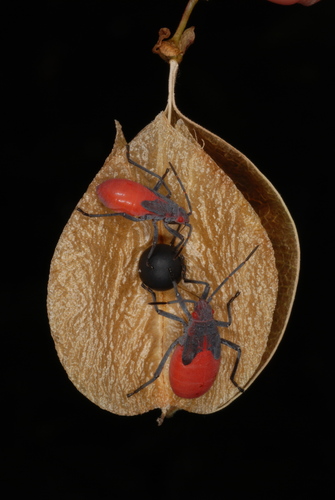
Close Relative (c) Douglas Goldman, some rights reserved (CC BY-SA), uploaded by Douglas Goldman · cc-by-sa
Help improve the field guideSomething wrong?
Checking your Fauna account…Report a name, category, or profile issue for review.