
Insect
Eastern Bat Bug
Cimex adjunctusAlso known as Bat Bug
Eastern bat bugs dwell within colonies of insectivorous bats, hiding in roost crevices during daylight and emerging under cover of darkness to take rapid blood meals. When their winged hosts migrate, hibernate, or are excluded from roost structures, these opportunistic survivors will wander into adjacent living spaces and occasionally bite humans or domestic pets. Superficially indistinguishable from common bed bugs to the naked eye, they possess longer fringe hairs on their pronotum that reveal their distinct bat-roost specialization under magnification.
ParasiteNocturnalFlightless
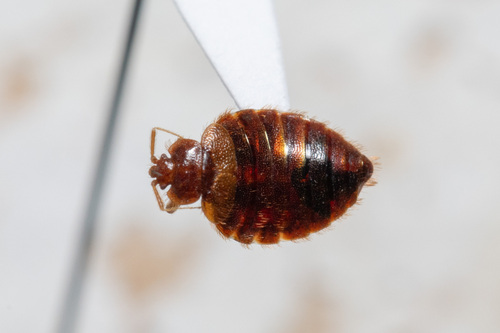
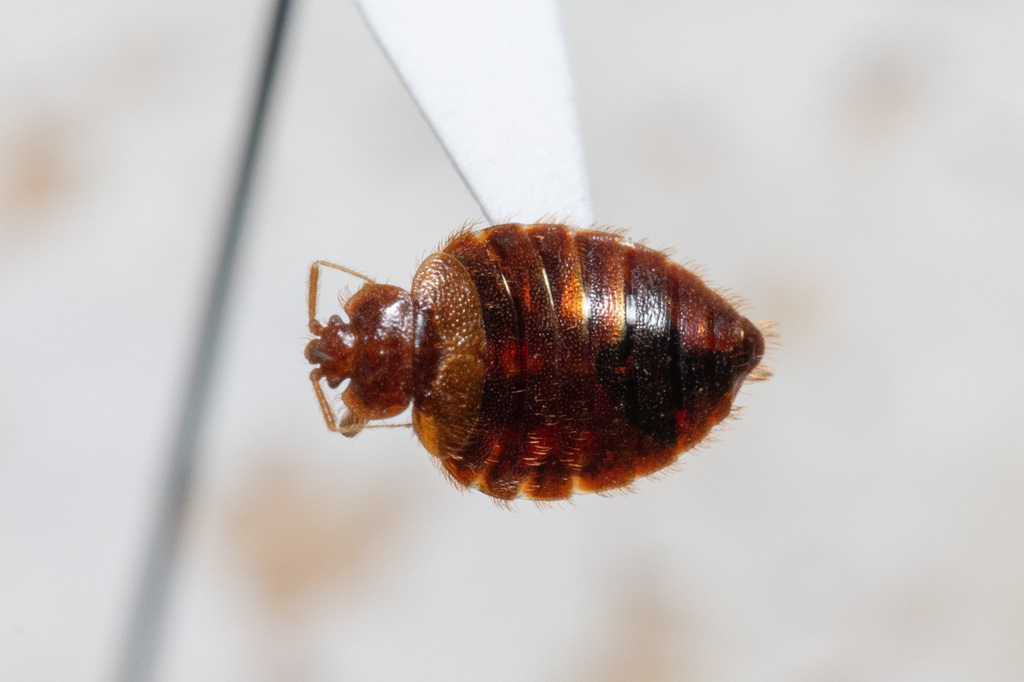
—observations
—countries
—peak records
Not EvaluatedConservation statusIUCN Red List categoriesLCNTVUENCREWEXNot Evaluated — not placed on the risk ladderRed List categories, explained →
Diet & preyBig brown bat blood, Little brown bat blood
Predators
- Jumping spiders
- Pseudoscorpions
- Centipedes
ThreatsDecline of host bat colonies and structural pest extermination
HabitatsBat roosts in attics, caves, rock crevices, and hollow trees
Life span6–12 months
Classification
- FamilyCimicidae
- SpeciesCimex adjunctus
Range data is not available yet.
Interaction riskLow
- Low
- Moderate
- High
- Very high
- Why interaction risk is low
- Safe to observe at a normal distance; incidental bites can cause minor itching but do not transmit disease.
Responsible observation
- Identification Check: Use a hand lens to inspect the pronotal hairs, which exceed the eye width in bat bugs.
- Source Tracking: Inspect nearby attic spaces or chimney flues for active bat roosts if found indoors.
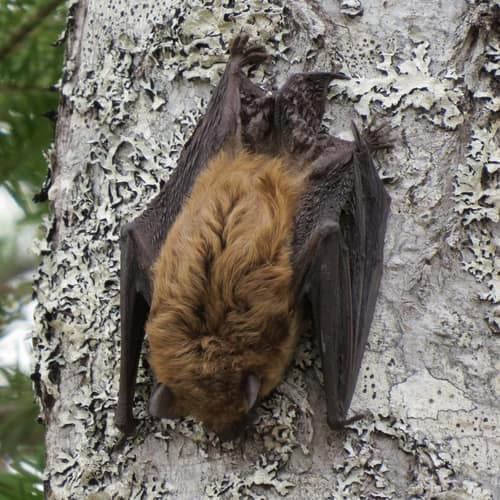
Primary Host (c) Fyn Kynd, some rights reserved (CC BY) · cc-by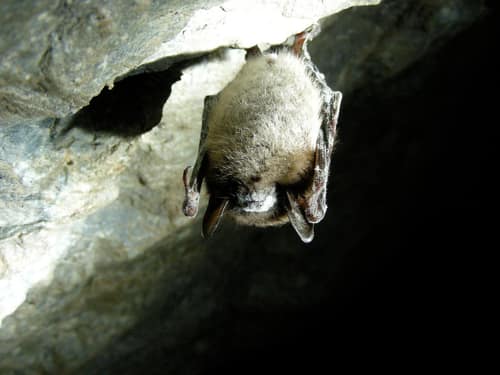
Alternative Host "Little brown bat affected by White-nose Syndrome" by U. S. Fish and Wildlife Service - Northeast Region is marked with Public Domain Mark 1.0. To view the terms, visit https://creativecommons.org/publicdomain/mark/1.0/. · cc0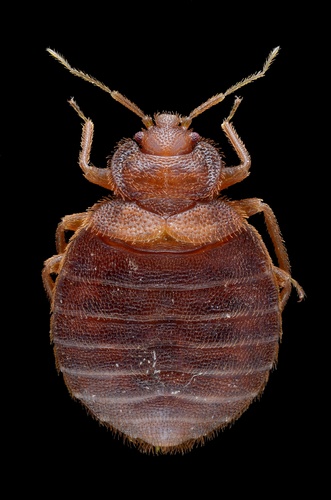
Close Relative (c) Gilles San Martin, some rights reserved (CC BY-SA) · cc-by-sa Image unavailable
Same Family
Help improve the field guideSomething wrong?
Checking your Fauna account…Report a name, category, or profile issue for review.