
Insect
Common Bed Bug
Cimex lectulariusAlso known as Bed Bug, Wall Louse, Mahogany Flat, Crimson Rambler
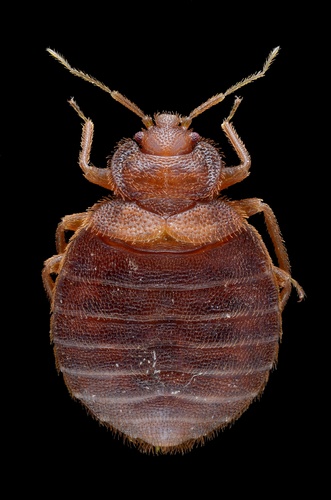
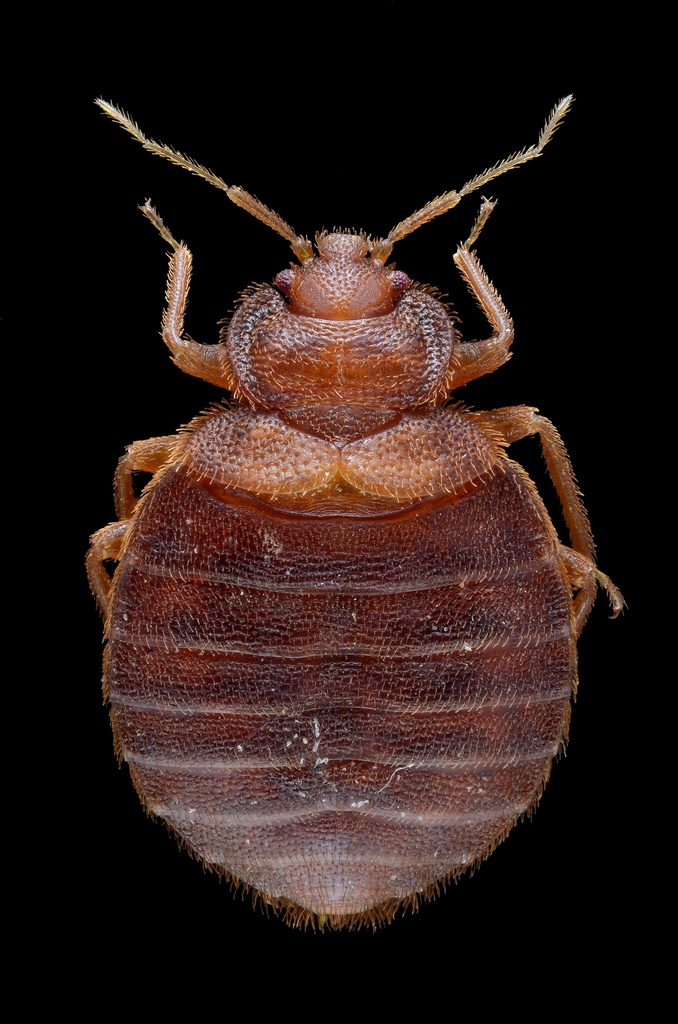
Common bed bugs are small, wingless insects that hide in dark cracks, mattress seams, and floorboards during the day, emerging at night to feed exclusively on blood. They survive for months without feeding and multiply rapidly within human habitations. Their oval, reddish brown bodies swell and darken after feeding, leaving behind characteristic dark fecal spots and discarded skins.
NocturnalParasiteWingless
—observations
—countries
—peak records
Not EvaluatedConservation statusIUCN Red List categoriesLCNTVUENCREWEXNot Evaluated — not placed on the risk ladderRed List categories, explained →
Diet & preyHuman blood, Mammalian blood
Predators
- Masked Hunter
- Pharaoh Ant
- Pseudoscorpion
ThreatsInsecticides, professional heat treatments, strict hygiene measures
HabitatsHuman dwellings, mattress seams, bed frames, furniture, hotel rooms
Life span6–12 months
Classification
- OrderHemiptera
- FamilyCimicidae
- GenusCimex
- SpeciesCimex lectularius
Range data is not available yet.
Interaction riskLow
- Low
- Moderate
- High
- Very high
- Why interaction risk is low
- Bites cause itchy welts and irritation; inspect mattress seams and furniture when traveling.
- Why it is dangerous
- Salivary enzymes injected during feeding trigger itchy allergic reactions and localized skin inflammation that can lead to secondary infections.
- How to recognize a risky encounter
- Look for tiny reddish brown, apple-seed-shaped insects or small dark fecal spots clustered along mattress piping and frame joints.
- What to do
- Avoid crushed contact with bare skin, and isolate potentially infested luggage in a sealed container immediately.
Responsible observation
- Inspect Lodgings: Examine mattress seams, headboards, and upholstered furniture for dark spots or live insects when traveling.
- Apply High Heat: Wash and dry exposed clothing on high heat settings to eliminate any lingering insects or eggs.
- Isolate Infested Items: Seal affected belongings in thick plastic bags to prevent spread prior to pest treatment.
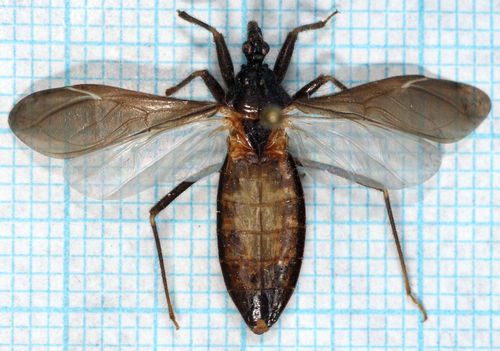
Predator (c) Magnefl, some rights reserved (CC BY-SA) · cc-by-sa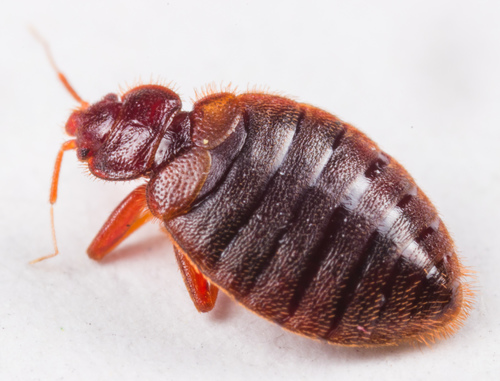
Close Relative (c) portioid, some rights reserved (CC BY), uploaded by portioid · cc-by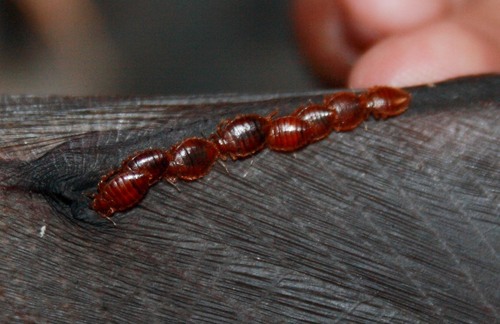
Close Relative (c) Juan Cruzado Cortés, some rights reserved (CC BY-SA), uploaded by Juan Cruzado Cortés · cc-by-sa
Help improve the field guideSomething wrong?
Checking your Fauna account…Report a name, category, or profile issue for review.