
Insect · GBIF taxon 2008843
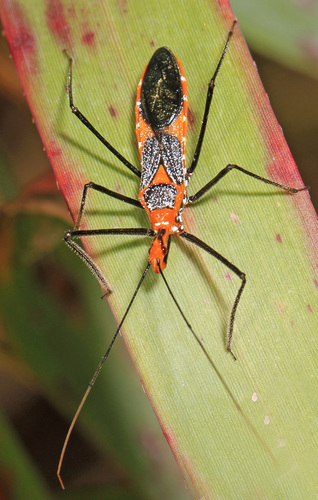
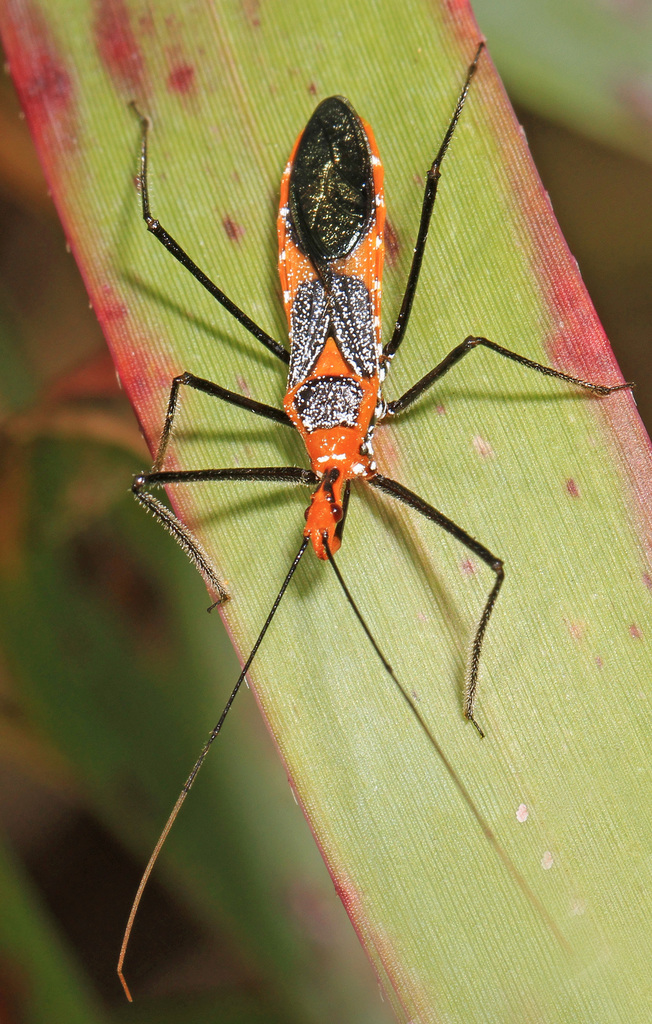
Milkweed Assassin Bug
Zelus longipesAlso known as Long-legged Assassin Bug
Milkweed assassin bugs are striking predators adorned in bright orange and black warning colors that mimic toxic milkweed insects. They ambush prey on garden foliage by coating their front legs in sticky plant resin to trap caterpillars, flies, and beetles before injecting digestive enzymes. Highly beneficial to farmers and gardeners, these slender hunters play a vital role in controlling agricultural pests across the Americas.
PredatoryColorfulGarden Helper
—observations
—countries
—peak records
Not EvaluatedConservation statusIUCN Red List categoriesLCNTVUENCREWEXNot Evaluated — not placed on the risk ladderRed List categories, explained →
Diet & prey
- Caterpillars
- Aphids
- Beetle larvae
Predators
- Insectivorous birds
- Lizards
- Jumping spiders
ThreatsWidespread chemical pesticide use
HabitatsGardens, crop fields, shrublands, forest edges
Life span6 to 12 months
Size / weightNot available
Classification
- OrderHemiptera
- FamilyReduviidae
- GenusZelus
- SpeciesZelus longipes
Range data is not available yet.
Interaction riskLow
- Low
- Moderate
- High
- Very high
- Why interaction risk is low
- Inflicts a painful defensive bite with its sharp beak if handled; observe without touching.
- Why it is dangerous
- Injects digestive fluids through a sharp beak when squeezed, causing a sharp sting similar to a wasp.
- How to recognize a risky encounter
- Recognized by its vibrant orange and glossy black body with long legs and a curved beak beneath the head.
- What to do
- Brush off gently if one lands on skin; never pinch or crush against the body.
Responsible observation
- Scan garden leaves: Look for slender orange and black bugs resting on milkweed and crop foliage.
- Observe from a distance: Avoid touching or grabbing them to prevent a defensive needle-like poke.
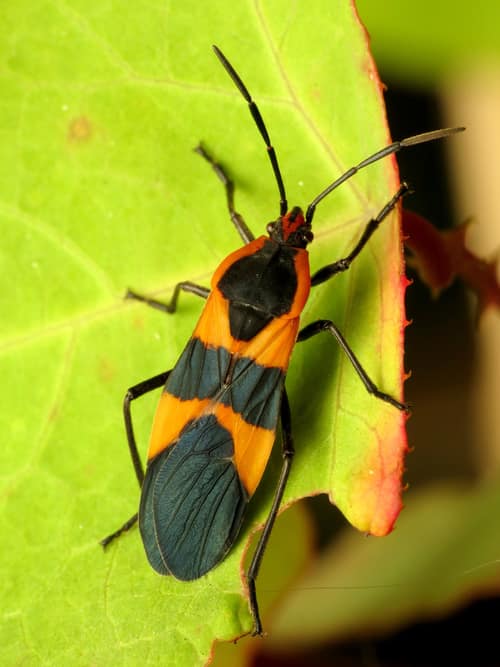
Frequent Companion (c) Katja Schulz, some rights reserved (CC BY) · cc-by
Close Relative (c) Loïc Mathieu, some rights reserved (CC BY) · cc-by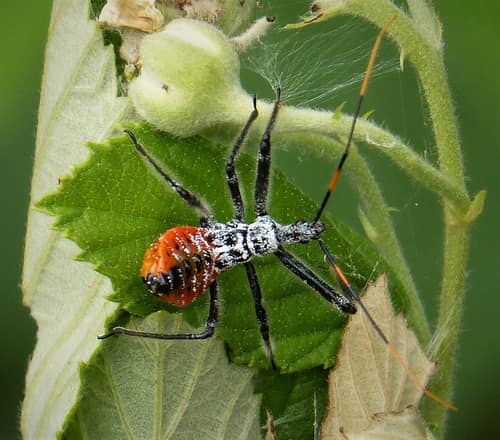
Close Relative (c) gailhampshire, some rights reserved (CC BY) · cc-by
Help improve the field guideSomething wrong?
Checking your Fauna account…Report a name, category, or profile issue for review.