
Insect · GBIF taxon 2008686
Spined Assassin Bug
Sinea diademaAlso known as Crowned Assassin Bug
Spined assassin bugs prowl open meadows, prairies, and sunny gardens, blending into foliage with their dull brown, heavily textured exoskeletons. Equipped with formidable raptorial front legs lined with sharp spines, they snatch small insects before piercing them with a stout, three-segmented beak to inject paralyzing digestive enzymes. Two generations typically emerge each warm season, with the final cohort laying clusters of capped eggs on plant stems that overwinter until spring.
PredatorBeneficialCamouflaged
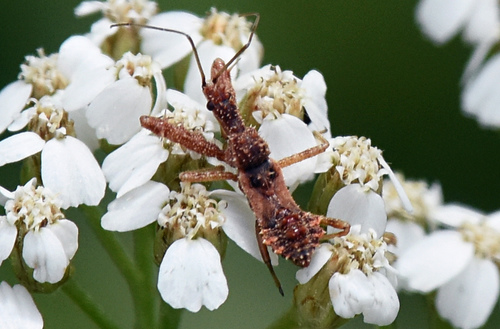
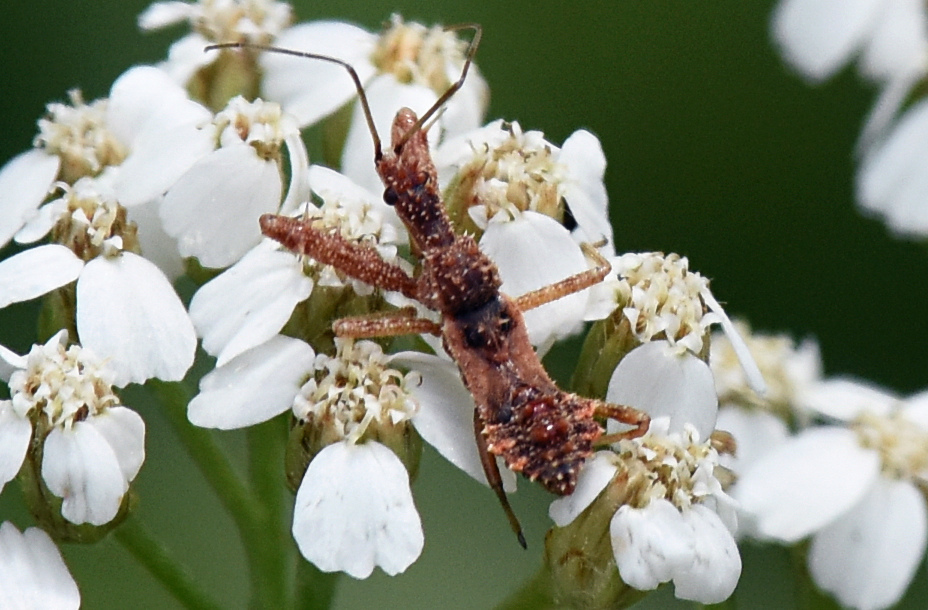
Licensed reference(c) Jimmy Dee, some rights reserved (CC BY-SA) · cc-by-sa
—observations
—countries
—peak records
Not EvaluatedConservation statusIUCN Red List categoriesLCNTVUENCREWEXNot Evaluated — not placed on the risk ladderRed List categories, explained →
Diet & prey
- Aphids
- Small caterpillars
- Flea beetles
Predators
- Insectivorous birds
- Jumping spiders
- Praying mantises
ThreatsBroad-spectrum pesticide application and widespread mowing
HabitatsMeadows, grasslands, old fields, roadsides, and garden crops
Life spanUp to 1 year
Size / weightNot available
Classification
- OrderHemiptera
- FamilyReduviidae
- GenusSinea
- SpeciesSinea diadema
Range data is not available yet.
Interaction riskLow
- Low
- Moderate
- High
- Very high
- Why interaction risk is low
- Delivers an intensely painful defensive jab if grabbed; observe without handling.
- Why it is dangerous
- Pierces skin with its curved rostrum and injects digestive saliva that produces an immediate, sharp stinging sensation and localized swelling.
- How to recognize a risky encounter
- Recognized by heavily spined raptorial front legs, a spiky crest behind the head, and an arched, dagger-like feeding beak.
- What to do
- Do not squeeze, grasp, or trap against clothing; gently coax onto a card or leaf if relocation is necessary.
Responsible observation
- Spotting on Flowers: Scan goldenrod, sunflowers, and Queen Anne's lace during sunny afternoons for stationary hunters.
- Garden Welcome: Leave them undisturbed on vegetables where they provide natural control against herbivorous pests.
- Safe Removal: Guide into a cup with a stiff leaf if moving from high-contact spots rather than using bare fingers.
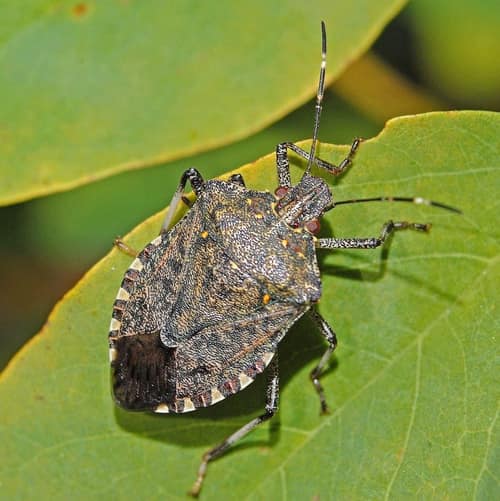
Prey (c) Kimberly, some rights reserved (CC BY), uploaded by Kimberly · cc-by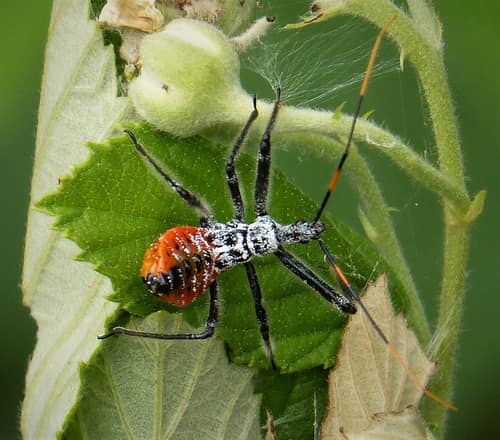
Same Family (c) gailhampshire, some rights reserved (CC BY) · cc-by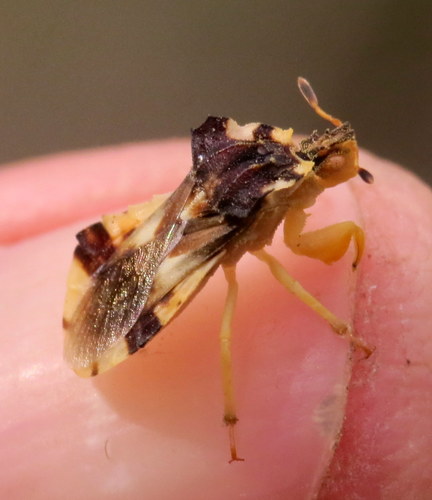
Same Family no rights reserved, uploaded by Steve Wells · cc0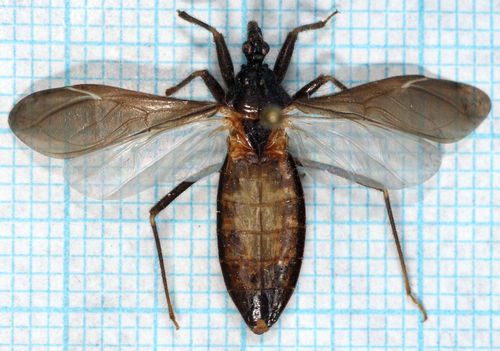
Same Family (c) Magnefl, some rights reserved (CC BY-SA) · cc-by-sa
Help improve the field guideSomething wrong?
Checking your Fauna account…Report a name, category, or profile issue for review.