
Insect · GBIF taxon 2008516
Masked Hunter
Reduvius personatusAlso known as Masked Bedbug Hunter
Masked hunters are nocturnal predators named for the sticky debris coating their slow-moving nymphs, which effectively disguises them from prey and larger predators. Adults grow into glossy dark brown or black assassin bugs that hunt household pests like bed bugs, earwigs, and carpet beetles. While beneficial for controlling insect populations in homes and outbuildings, they can inflict an intensely painful defensive stab if trapped against skin or mishandled.
NocturnalCamouflagedPredatory
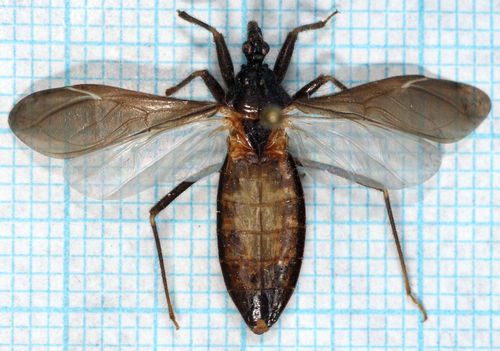
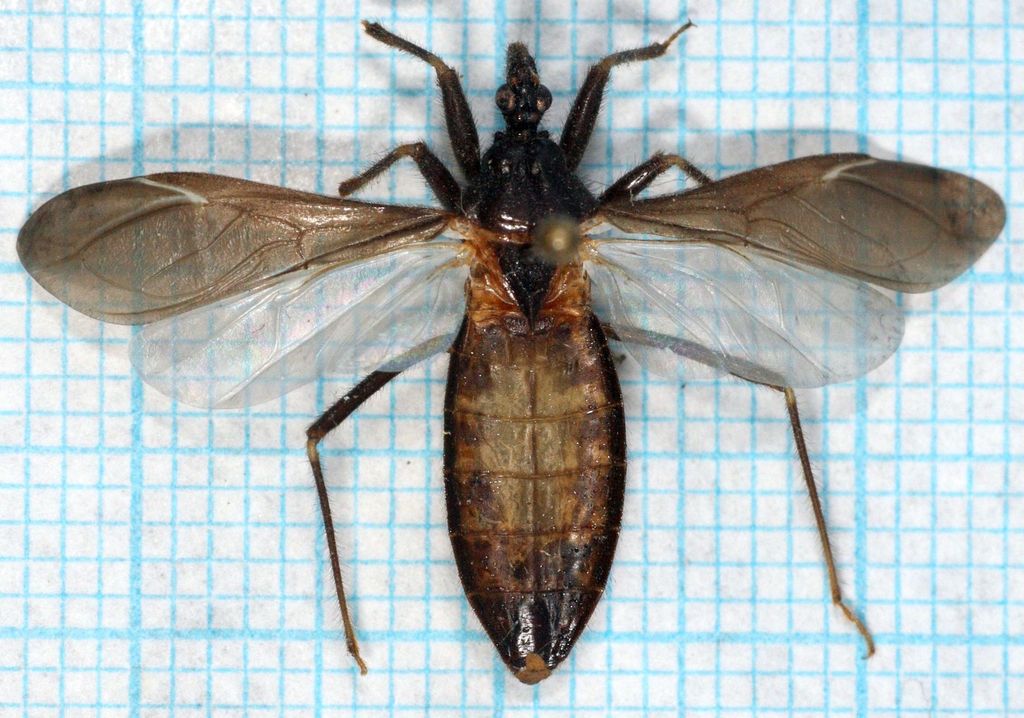
—observations
—countries
—peak records
Not EvaluatedConservation statusIUCN Red List categoriesLCNTVUENCREWEXNot Evaluated — not placed on the risk ladderRed List categories, explained →
Diet & prey
- Bed bugs
- Earwigs
- Woodlice
Predators
- Spiders
- Birds
- Lizards
ThreatsPesticide application, habitat disturbance, and human eradication
HabitatsOutbuildings, attics, cellars, dry sheds, and human dwellings
Life span1–2 years
Classification
- OrderHemiptera
- FamilyReduviidae
- GenusReduvius
- SpeciesReduvius personatus
Range data is not available yet.
Interaction riskLow
- Low
- Moderate
- High
- Very high
- Why interaction risk is low
- Can deliver an intensely painful defensive stab if handled; observe from a safe distance or relocate using a glass container.
- Why it is dangerous
- Injects digestive saliva through a needle-like rostrum in self-defense, causing immediate, severe burning pain and local swelling.
- How to recognize a risky encounter
- Look for glossy dark brown or black adults measuring up to 22 mm, or walking lint piles representing disguised nymphs.
- What to do
- Never handle directly with bare hands; scoop up with a wide container and stiff paper to move outdoors safely.
Responsible observation
- Indoor Relocation: Use a glass and a stiff card to capture and release adults outside without touching them.
- Lighting Cues: Look for adults around outdoor porch lights or window screens on warm summer nights.
- Recognizing Nymphs: Spot dusty, lint-covered nymphs walking slowly in dry cellars or garages.
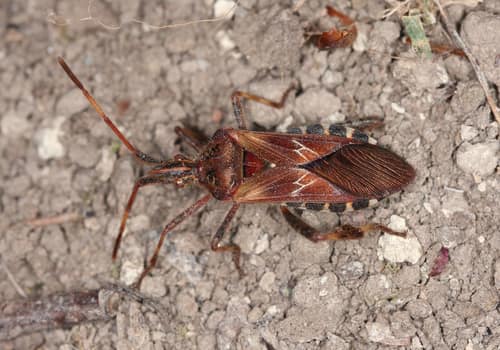
Look-Alike (c) Holger Krisp, some rights reserved (CC BY) · cc-by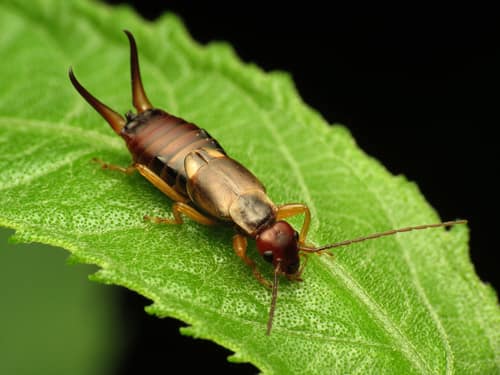
Prey (c) Katja Schulz, some rights reserved (CC BY) · cc-by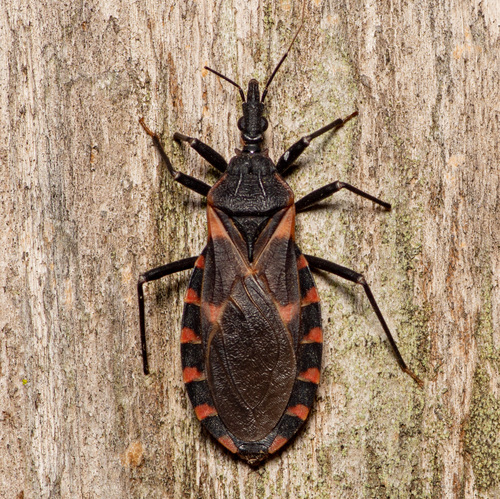
Close Relative (c) Justin Williams, some rights reserved (CC BY), uploaded by Justin Williams · cc-by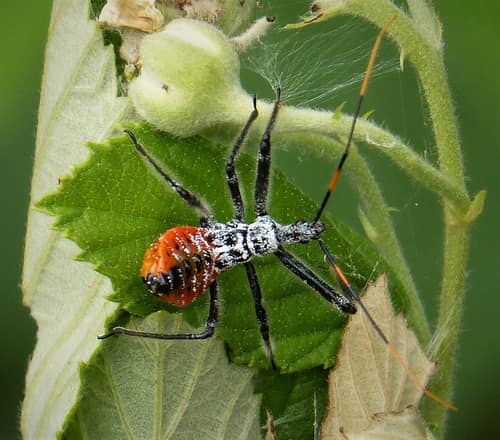
Close Relative (c) gailhampshire, some rights reserved (CC BY) · cc-by
Help improve the field guideSomething wrong?
Checking your Fauna account…Report a name, category, or profile issue for review.