
Insect · GBIF taxon 1938015
African Giant Swallowtail
Papilio antimachusAlso known as Giant African Swallowtail
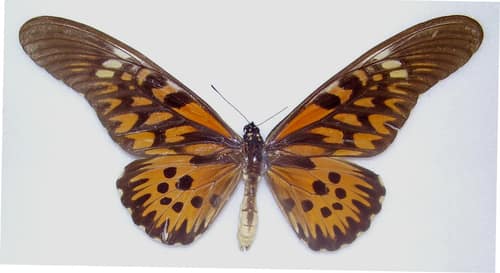
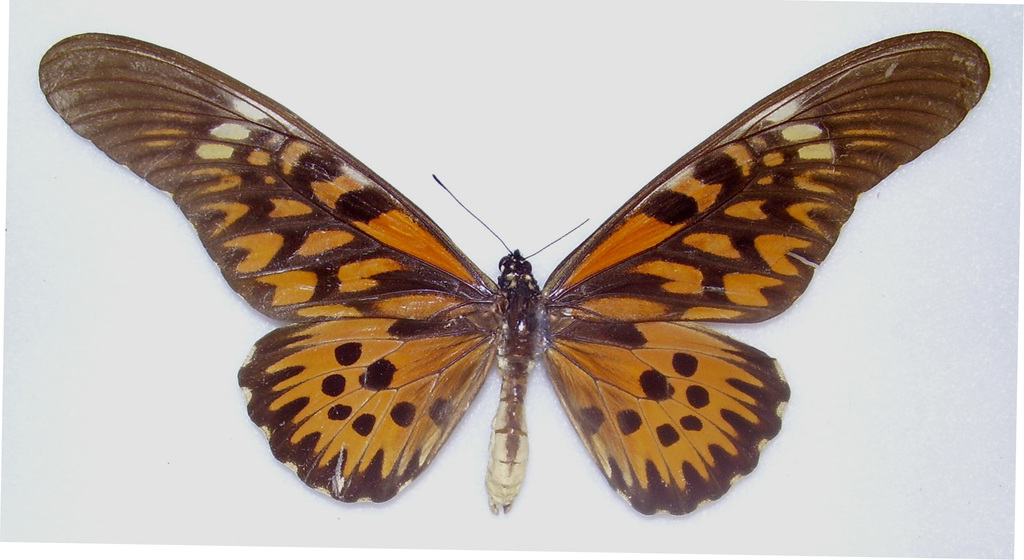
African giant swallowtails sail high above the tropical rainforest canopy, where males defend airborne territories over the tree line. Adults sequester powerful cardiac glycosides from host plants during their caterpillar stage, rendering them exceptionally toxic to potential predators. With wingspans stretching up to 23 centimeters, these solitary insects are the largest butterflies on the African continent.
RainforestToxicCanopy Dweller
—observations
—countries
—peak records
Data DeficientConservation statusIUCN Red List categoriesLCNTVUENCREWEXData Deficient — not placed on the risk ladderRed List categories, explained →
Diet & prey
- Flower nectar
- Mineral salts from wet soil
Predators
Not available
ThreatsDeforestation, habitat fragmentation, and over-collection
HabitatsPrimary tropical lowland rainforests
Life span1 to 2 months (adult stage)
Size / weightNot available
Classification
- FamilyPapilionidae
- SpeciesPapilio antimachus
Range data is not available yet.
Interaction riskHigh
- Low
- Moderate
- High
- Very high
- Why interaction risk is high
- Contains lethal cardiac glycosides; do not consume or handle carelessly.
- Why it is dangerous
- Sequesters deadly cardiac glycosides from host plants, which cause heart cardiac arrest if ingested by humans or animals.
- How to recognize a risky encounter
- Recognizable by immense orange, black, and cream patterned wings stretching up to 23 centimeters.
- What to do
- Observe from a distance without capturing or handling to prevent wing damage and toxin transfer.
- What to notice
- Distinctive massive size and high canopy flight pattern in undisturbed West and Central African jungles.
- Support conservation
- Do not disclose specific roosting or puddling sites publicly to protect them from commercial collectors.
Responsible observation
- Canopy Spotting: Look for males patrolling hilltops or high forest clearings during sunny mornings.
- Riverbanks: Search damp sand along forest streams where males occasionally puddle for mineral salts.
- Respect Wildlife: Avoid purchasing wild-caught specimens to help reduce poaching pressure on wild stocks.
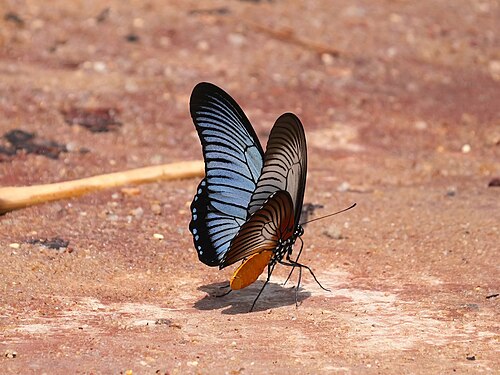
Close Relative Timboucher / CC BY 4.0 · cc-by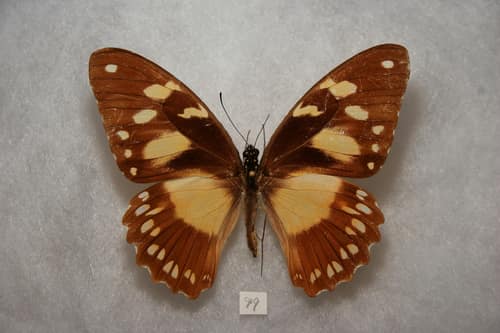
Close Relative (c) Dave Rogers, some rights reserved (CC BY) · cc-by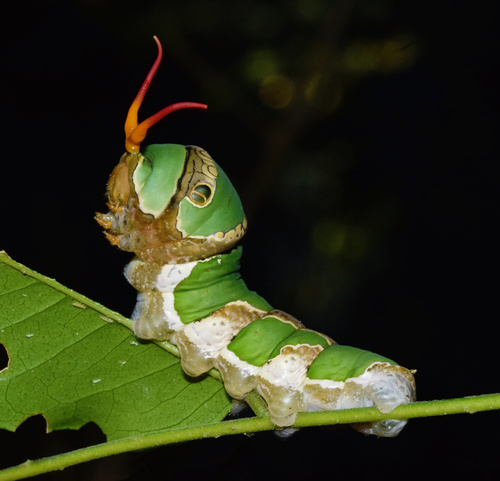
Close Relative (c) Sunčana Bradley, some rights reserved (CC BY), uploaded by Sunčana Bradley · cc-by
Help improve the field guideSomething wrong?
Checking your Fauna account…Report a name, category, or profile issue for review.