
Insect · GBIF taxon 1937911
Paris Peacock Butterfly
Papilio parisAlso known as Paris Peacock Swallowtail, Paris Peacock
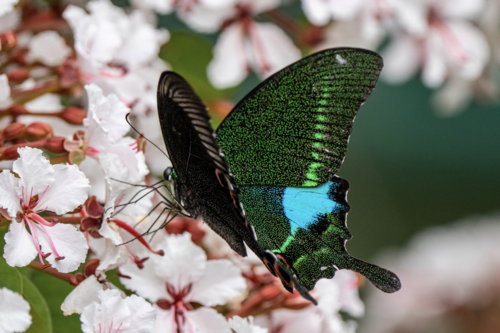
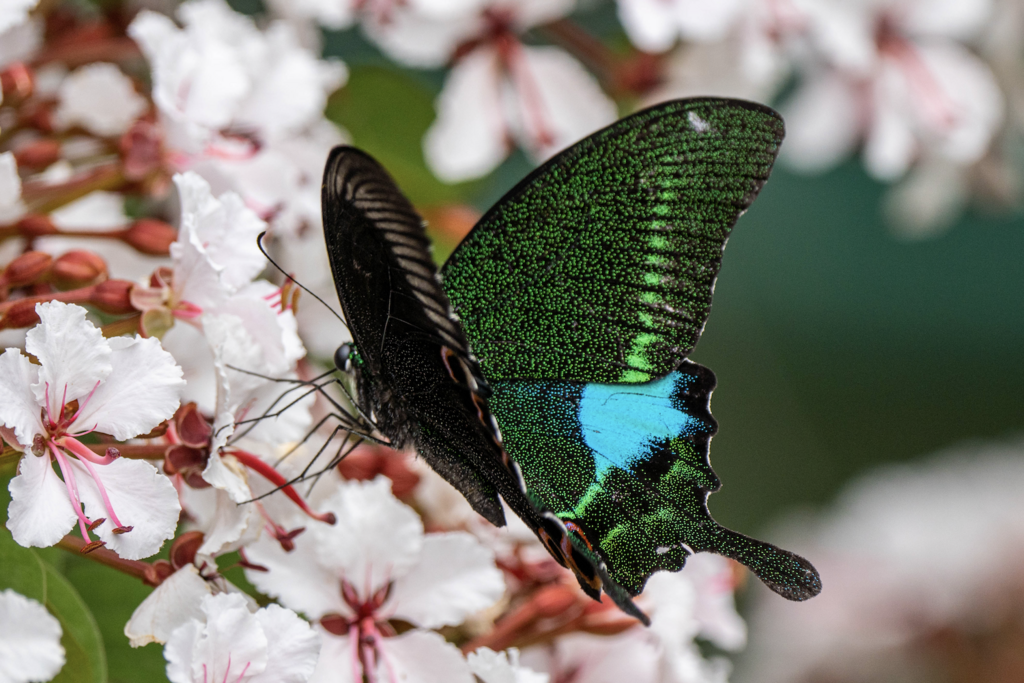
Paris peacock swallowtails feature striking iridescent green speckles scattered across velvet black wings, anchored by a vibrant cyan-blue patch on each hindwing. Caterpillars feed on trees in the citrus family and extend a pungent fork-like organ called an osmeterium when threatened. Males frequently gather along moist riverbanks and damp forest trails to puddle for dissolved minerals.
IridescentForest DwellerPollinator
—observations
—countries
—peak records
Not EvaluatedConservation statusIUCN Red List categoriesLCNTVUENCREWEXNot Evaluated — not placed on the risk ladderRed List categories, explained →
Diet & prey
- Flower Nectar
- Rutaceae Foliage
- Damp Soil Minerals
Predators
- Birds
- Lizards
- Praying Mantises
ThreatsDeforestation, habitat loss, commercial butterfly collecting
HabitatsTropical moist forests, subtropical evergreen woodlands, hillside clearings
Life span1–2 months (adult stage)
Size / weightNot available
Classification
- FamilyPapilionidae
- SpeciesPapilio paris
Range data is not available yet.
Interaction riskLow
- Low
- Moderate
- High
- Very high
- Why interaction risk is low
- Safe to observe at a normal distance.
Responsible observation
- Puddling Spots: Look for congregations of males sipping moisture near muddy riverbanks early in the day.
- Host Plants: Search for large green larvae resting on the foliage of wild citrus trees.
- Nectar Visits: Watch sunny forest gaps where adults alight briefly on bright blossoms.
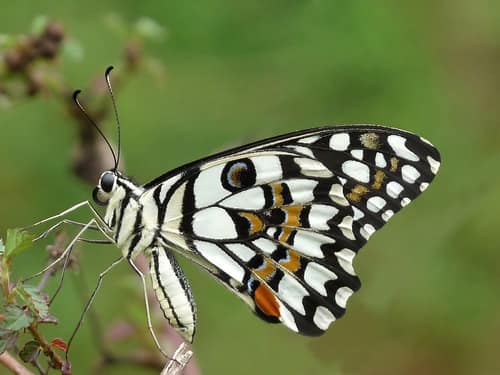
Cousin Jeevan Jose, Kerala, India / CC BY-SA 4.0 · cc-by-sa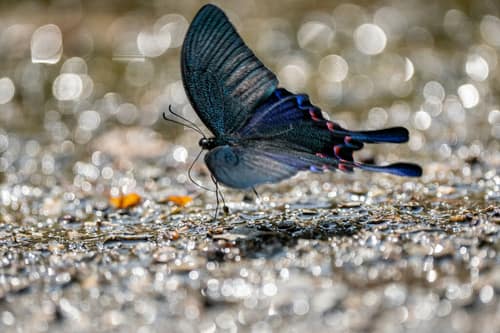
Close Relative (c) Andrew Lai, some rights reserved (CC BY) · cc-by Image unavailable
Close Relative
Help improve the field guideSomething wrong?
Checking your Fauna account…Report a name, category, or profile issue for review.