
Insect · GBIF taxon 1914458
Silvery Checkerspot
Chlosyne nycteisSilvery checkerspots frequent sunny forest edges, stream banks, and moist meadows across eastern North America. Caterpillars feed gregariously in silk-lined colonies on composite plants such as sunflowers and black-eyed Susans, overwintering as mid-stage larvae before completing metamorphosis in spring. Adults flash a stained-glass pattern of tawny orange and dark brown, actively patrolling open corridors and probing damp mud for essential mineral salts.
PollinatorDiurnalRiparian
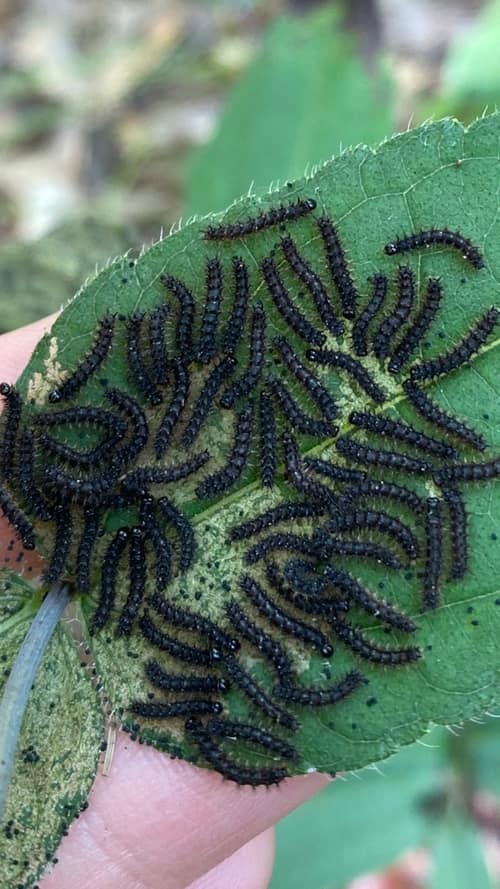
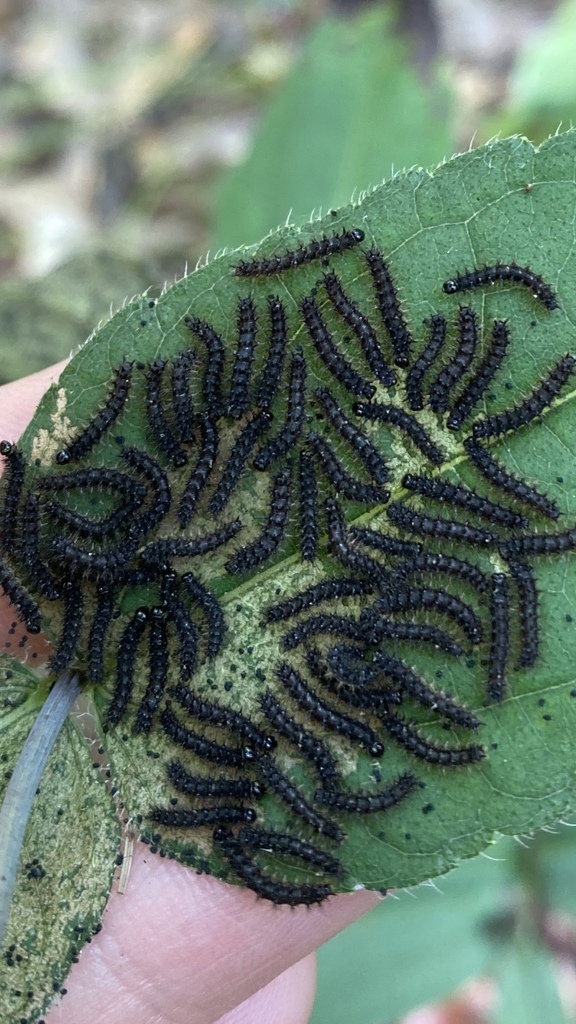
—observations
—countries
—peak records
Not EvaluatedConservation statusIUCN Red List categoriesLCNTVUENCREWEXNot Evaluated — not placed on the risk ladderRed List categories, explained →
Diet & prey
- Rudbeckia hirta
- Verbesina alternifolia
- Helianthus divaricatus
Predators
- Songbirds
- Orb-weaver Spiders
- Dragonflies
ThreatsHabitat fragmentation, pesticide spraying, and canopy closure from forest succession.
HabitatsMoist meadows, forest openings, stream edges, and disturbed roadsides.
Life span1 year (including egg, larval diapause, and pupal stages; adults live 1–3 weeks)
Size / weightNot available
Classification
- OrderLepidoptera
- FamilyNymphalidae
- GenusChlosyne
- SpeciesChlosyne nycteis
Range data is not available yet.
Interaction riskLow
- Low
- Moderate
- High
- Very high
- Why interaction risk is low
- Safe to observe at a normal distance.
- What to notice
- Recognized by bold orange-brown checkerboard wings with a distinctive row of silvery spots beneath the hindwing.
- Support conservation
- Avoid trampling moist meadow vegetation or disrupting composite host plants where larval colonies congregate.
Responsible observation
- Spotting Perches: Look along sunny wooded edges and muddy roadsides during warm, calm midday hours.
- Mud Puddling: Approach damp soil patches slowly, where males congregate to sip mineral salts.
- Look-Alike Cues: Inspect the underside hindwing for a prominent row of silvery white crescent spots.
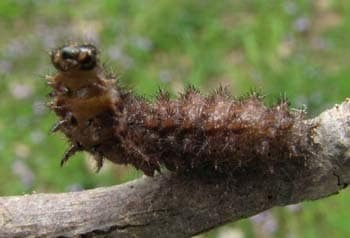
Look-alike (c) Beatriz Moisset, some rights reserved (CC BY-SA) · cc-by-sa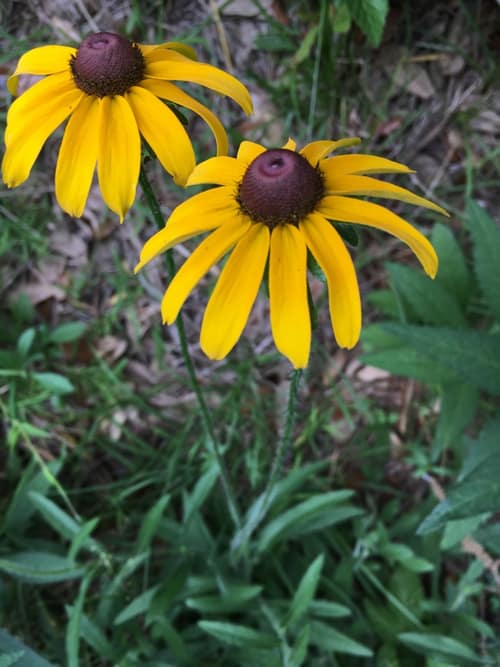
Host Plant no rights reserved, uploaded by Brady Reed · cc0 Image unavailable
Close Relative 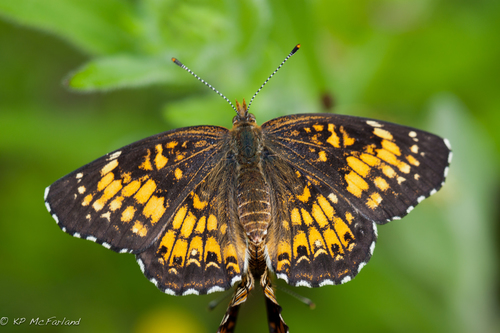
Close Relative no rights reserved, uploaded by Kent McFarland · cc0
Keep collecting in Fauna
Found in Collections
Ecosystem chain Pro
Mystic Meadows
Silvery Checkerspot is found in this collection. Identify it in Fauna to fill this slot and continue your progress.
Unlock to track progress
Help improve the field guideSomething wrong?
Checking your Fauna account…Report a name, category, or profile issue for review.