
Insect
Monk
Amauris tartareaAlso known as Dusky Friar
Monks glide through shaded African forests with a slow, unhurried flight that advertises their chemical defenses to would-be predators. Caterpillars sequester toxic compounds from milkweed vines, making adult butterflies distasteful to birds and turning them into models for harmless mimics. Males frequently visit damp earth and alkaloid-rich plants to gather chemicals used in producing courtship pheromones.
Forest-dwellingMimicry ModelDiurnal
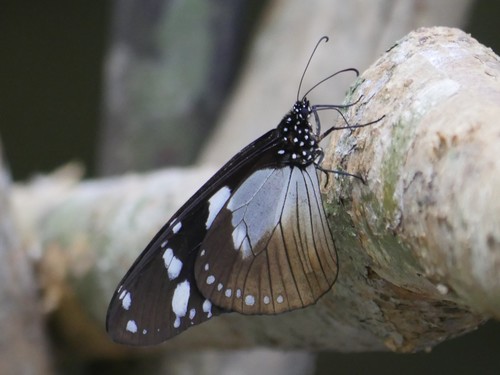
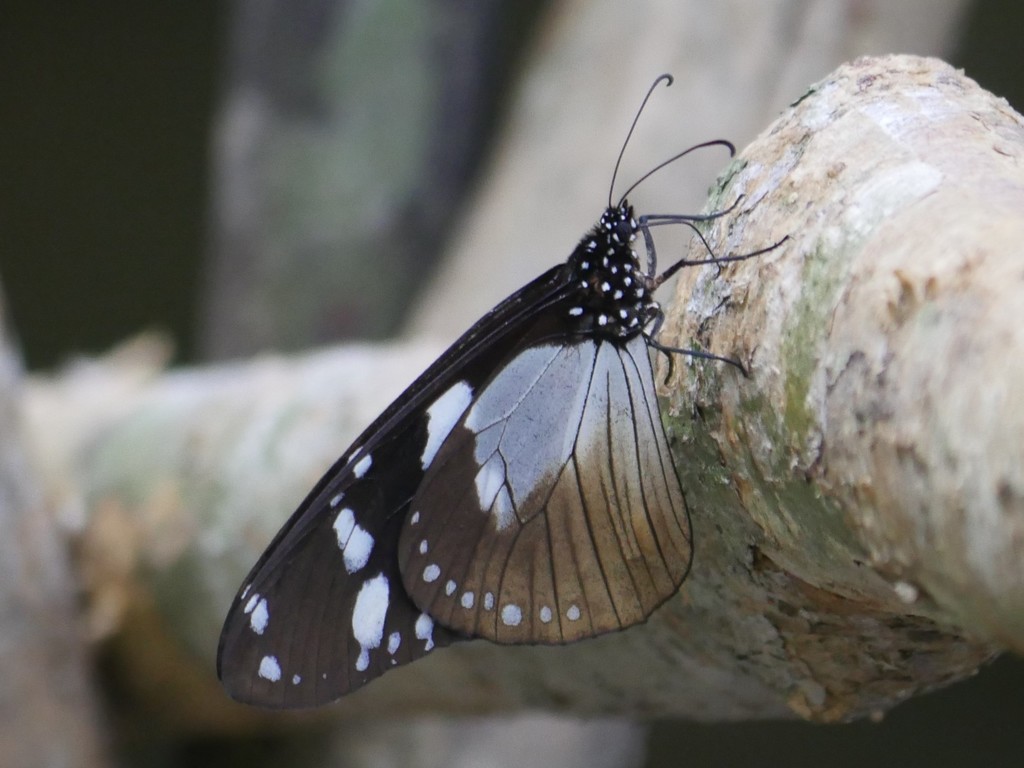
—observations
—countries
—peak records
Least ConcernConservation statusIUCN Red List categoriesLCNTVUENCREWEXLeast ConcernRed List categories, explained →
Diet & preyFlower nectar, Milkweed vines, Rotting fruit
Predators
- Mantids
- Robber flies
- Naive insectivorous birds
ThreatsLocalized deforestation and forest fragmentation, though wide distribution buffers overall numbers
HabitatsLowland and montane tropical forests, gallery forests, and wooded savannas across sub-Saharan Africa
Life spanSeveral weeks to a few months as an adult
Classification
- OrderLepidoptera
- FamilyNymphalidae
- GenusAmauris
- SpeciesAmauris tartarea
Range data is not available yet.
Interaction riskLow
- Low
- Moderate
- High
- Very high
- Why interaction risk is low
- Safe to observe at a normal distance.
Responsible observation
- Flight Pattern: Watch for a slow, buoyant glide along shaded forest paths and clearings.
- Mud-puddling: Look near damp soil or animal dung where males gather minerals and alkaloids.
- Photography: Approach steadily during cool mornings when individuals bask with wings open.
 Image unavailable
Mimic 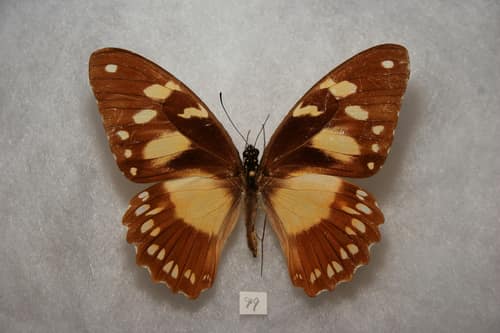
Mimic (c) Dave Rogers, some rights reserved (CC BY) · cc-by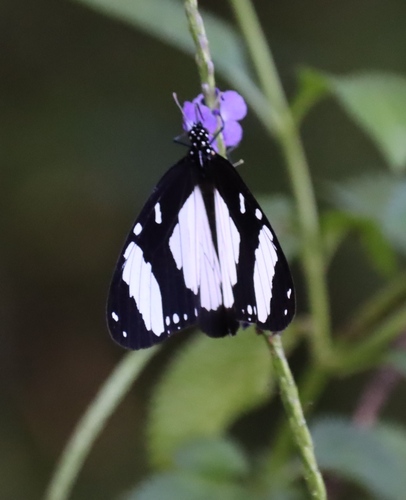
Close Relative (c) Tony Rebelo, some rights reserved (CC BY-SA) · cc-by-sa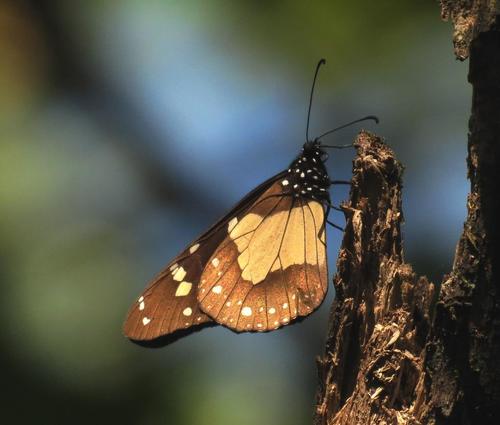
Close Relative (c) Brian du Preez, some rights reserved (CC BY-SA), uploaded by Brian du Preez · cc-by-sa
Keep collecting in Fauna
Found in Collections
Ecosystem chain Pro
Mystic Meadows
Monk is found in this collection. Identify it in Fauna to fill this slot and continue your progress.
Unlock to track progress
Help improve the field guideSomething wrong?
Checking your Fauna account…Report a name, category, or profile issue for review.