
Insect
Red Lacewing Butterfly
Cethosia biblisAlso known as Lacewing Biblis
Red lacewing butterflies flaunt vibrant crimson and intricate black scalloped margins on their uppersides, warning visual predators of the distasteful toxins they sequester from host plants. Females lay clusters of bright yellow eggs exclusively on wild passionflower vines, where social caterpillars hatch and feed communally. Adults frequently glide along sunny rainforest margins, forest trails, and clearings, dropping down to sip nectar or probe damp soil for vital mineral salts.
ColorfulDiurnalPollinator
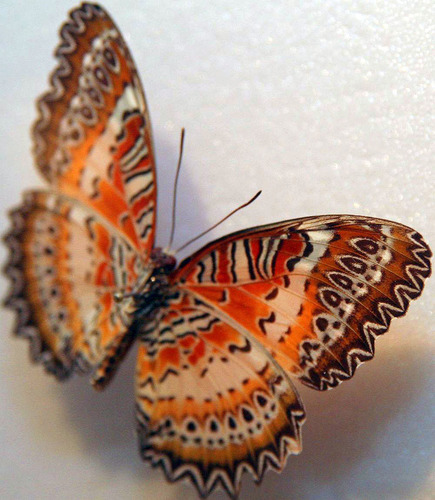
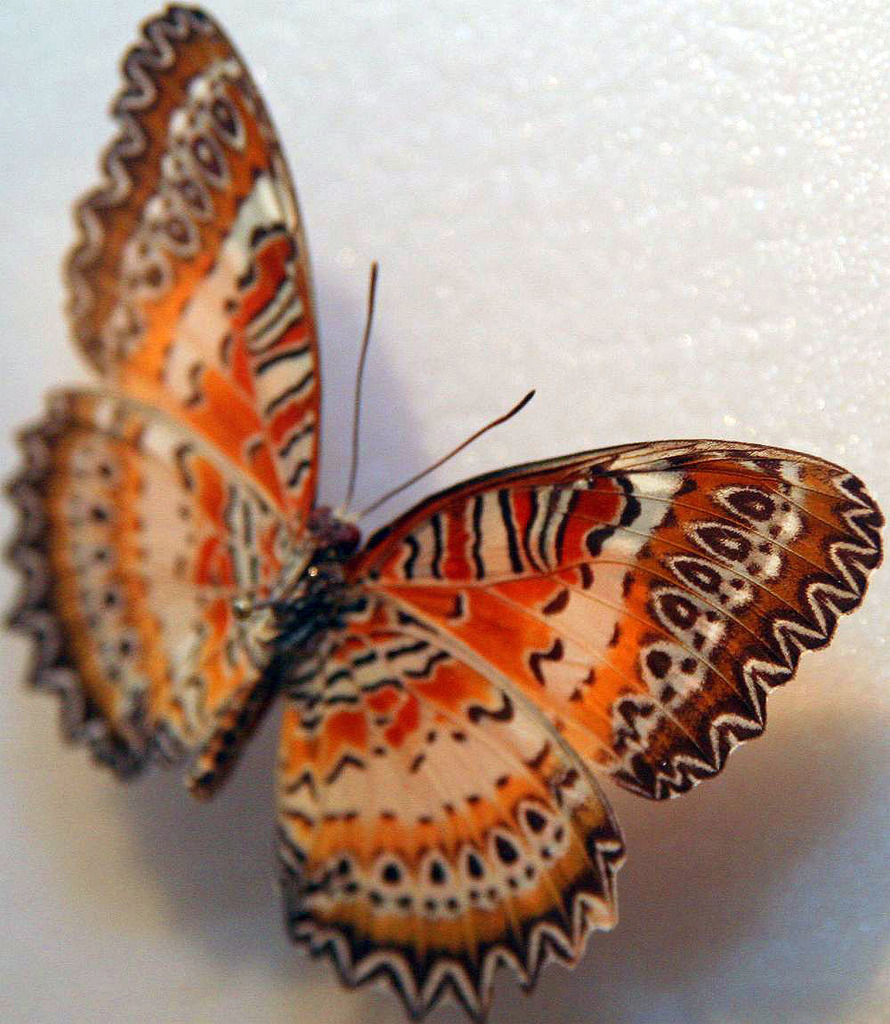
—observations
—countries
—peak records
Least ConcernConservation statusIUCN Red List categoriesLCNTVUENCREWEXLeast ConcernRed List categories, explained →
Diet & preyFlower nectar, Decomposing fruit juices, Mineral damp mud
Predators
- Mantids
- Orb-weaver spiders
- Insectivorous birds
ThreatsHabitat destruction, pesticide application, and deforestation
HabitatsTropical rainforest edges, secondary growth, clearings, and wooded gardens
Life span3–6 weeks as adult; several months total life cycle
Classification
- FamilyNymphalidae
- SpeciesCethosia biblis
Range data is not available yet.
Interaction riskLow
- Low
- Moderate
- High
- Very high
- Why interaction risk is low
- Harmless and safe to observe at a normal distance.
Responsible observation
- Approach: Move in slowly while it is actively feeding on flowers or basking with wings spread.
- Basking Habits: Check sunny forest gaps and trail edges during warm mid-morning hours.
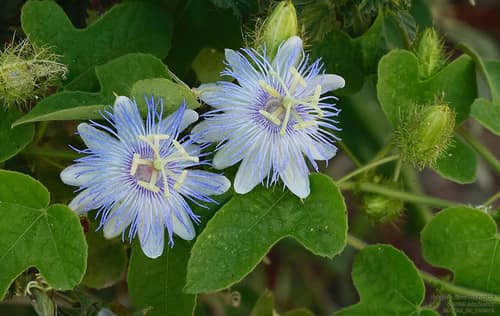
Host Plant John Rosford / CC BY 4.0 · cc-by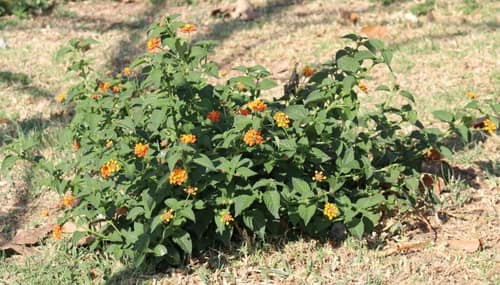
Nectar Source no rights reserved, uploaded by Dave Brown · cc0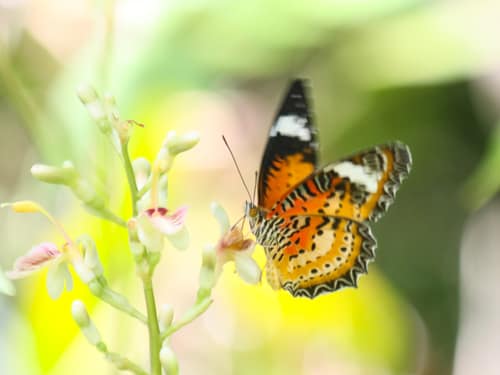
Close Relative (c) Gerard Chartier, some rights reserved (CC BY), uploaded by Gerard Chartier · cc-by Image unavailable
Close Relative
Help improve the field guideSomething wrong?
Checking your Fauna account…Report a name, category, or profile issue for review.