Fauna
Insect

Wonder Brown

Heteronympha mirifica

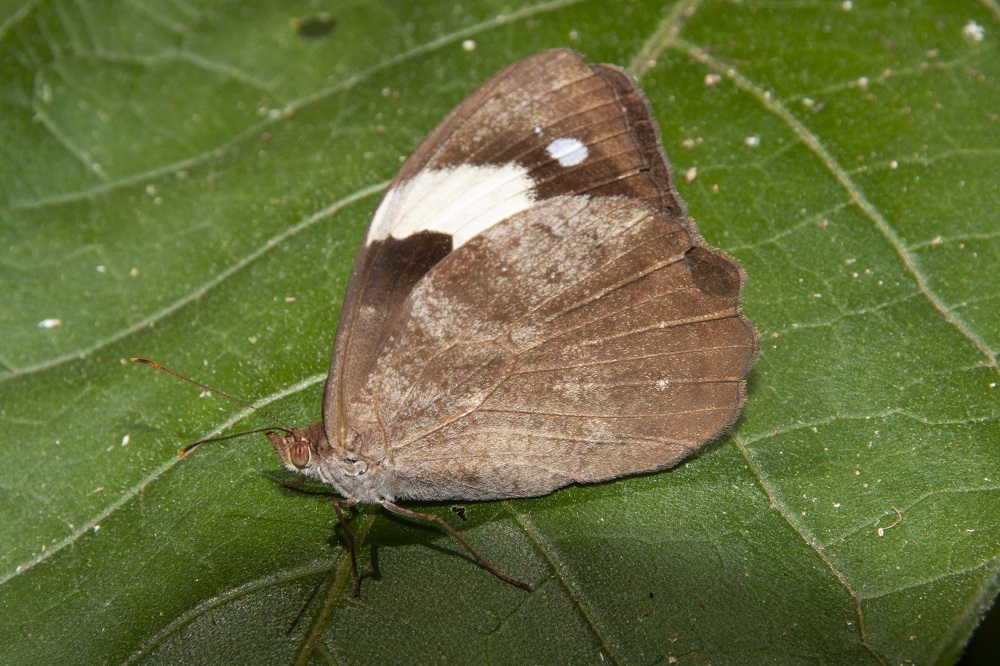
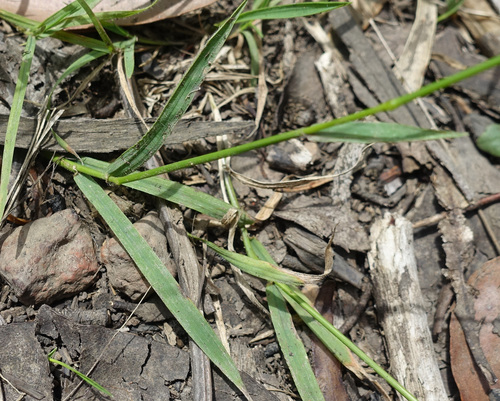
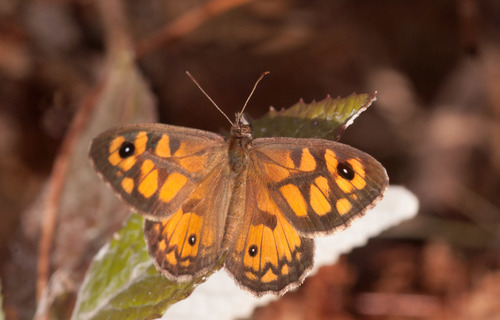
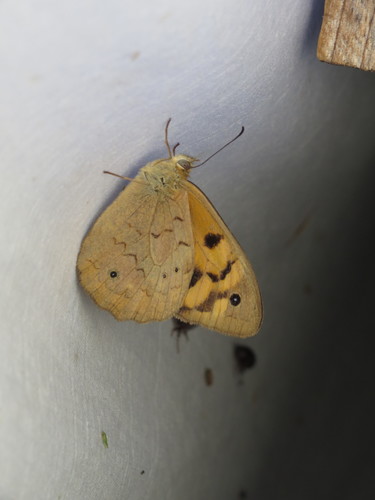
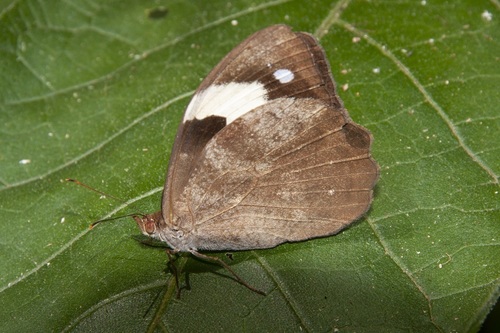
Wonder Browns exhibit one of the most remarkable cases of sexual dimorphism among Australian butterflies: males feature a typical orange and brown pattern, while females display striking near-black wings bisected by a brilliant broad white diagonal band. These woodland insects inhabit shady coastal gullies and wet sclerophyll margins along the eastern seaboard, flying close to the ground beneath the dappled forest canopy. Females drop their eggs loosely among native tussock grasses, where the cryptically colored green and brown larvae feed under the cover of darkness.

DimorphicWoodlandNative
—observations
—countries
—peak records
Not EvaluatedConservation statusIUCN Red List categoriesLCNTVUENCREWEXNot Evaluated — not placed on the risk ladderRed List categories, explained →
Diet & preyWeeping grass, Floral nectar, Tree sap
Predators
  • Orb-weaver spiders
  • Robber flies
  • Pied currawongs
ThreatsHabitat clearance, inappropriate fire regimes, and invasive weeds
HabitatsWet sclerophyll forests, rainforest margins, and shaded gullies
Life spanAdults 2–6 weeks; life cycle spans 1 year
  1. OrderLepidoptera
  2. FamilyNymphalidae
  3. GenusHeteronympha
  4. SpeciesHeteronympha mirifica
Range data is not available yet.
Interaction riskLow
  1. Low
  2. Moderate
  3. High
  4. Very high
Why interaction risk is low
Safe to observe at a normal distance.
Responsible observation
  • Observation: Walk slowly along sheltered forest tracks and shaded creek gullies where adults rest on low foliage.
  • Timing: Look during mid-to-late summer afternoons when females are most active along the forest floor.
Keep collecting in Fauna

Found in Collections

Ecosystem chain Pro

Mystic Meadows

Wonder Brown is found in this collection. Identify it in Fauna to fill this slot and continue your progress.

Unlock to track progress

Continue in the app
Help improve the field guideSomething wrong?

Report a name, category, or profile issue for review.

Checking your Fauna account…