
Insect
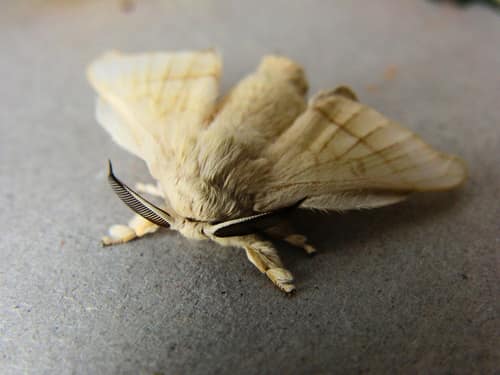
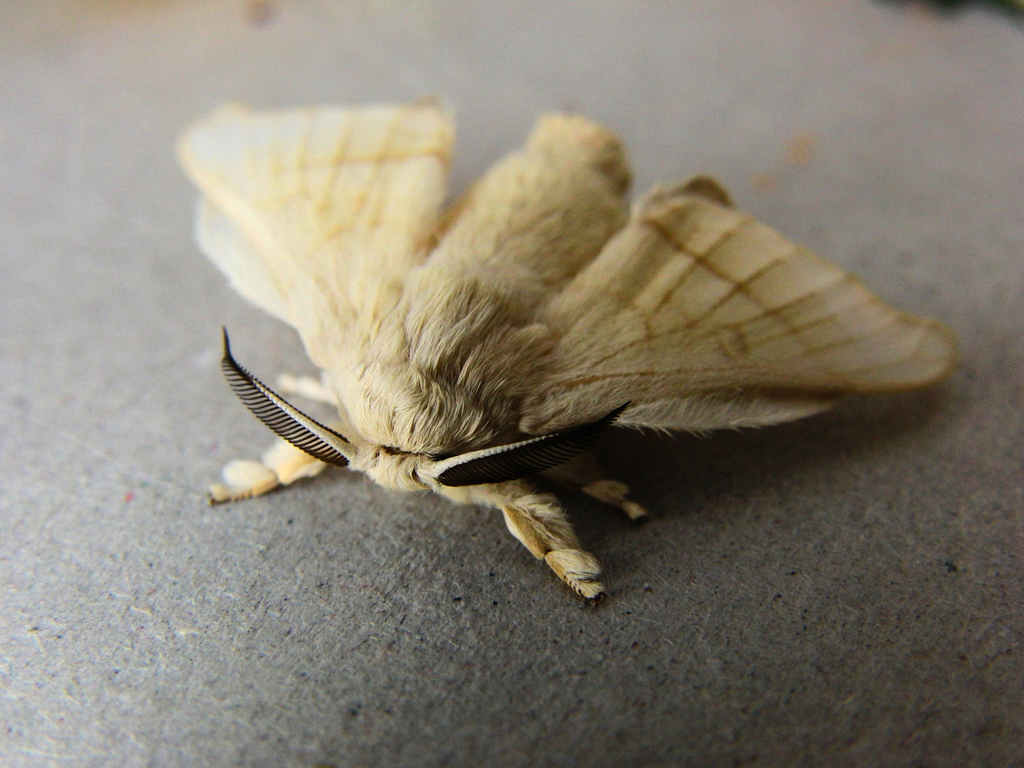
Domesticated Silkmoth
Bombyx moriAlso known as Domestic Silk Moth, Silkworm Moth, Chinese Silkworm
Domesticated silkmoths are completely dependent on human care, having lost the ability to fly or survive in the wild over millennia of sericulture. Adults emerge with rudimentary mouthparts, never feeding, and spend their brief lives fluttering their wings to distribute pheromones and locate mates. Caterpillars, famous as silkworms, feed voraciously on fresh mulberry foliage before spinning a continuous silk filament up to a kilometer long to form their pupal cocoon.
DomesticatedHerbivorousFlightless
—observations
—countries
—peak records
Not EvaluatedConservation statusIUCN Red List categoriesLCNTVUENCREWEXNot Evaluated — not placed on the risk ladderRed List categories, explained →
Diet & preyWhite mulberry leaves, Black mulberry leaves, Artificial silkworm diet
Predators
- Domestic rodents
- Predatory ants
- Birds
ThreatsDiseases such as pébrine and flacherie, pesticide exposure on foliage
HabitatsDomestic rearing facilities and laboratories worldwide
Life span6–8 weeks total (adults live 5–10 days)
Classification
- FamilyBombycidae
- SpeciesBombyx mori
Range data is not available yet.
Interaction riskLow
- Low
- Moderate
- High
- Very high
- Why interaction risk is low
- Safe to observe and handle at a normal distance.
Responsible observation
- Handling larvae: Support silkworms gently with clean, dry hands free of lotions or soaps.
- Feeding care: Provide dry, pesticide-free mulberry leaves, replacing them daily to prevent mold.
- Cocoon observation: Keep cocoons in a warm, quiet spot out of direct sunlight while awaiting emergence.
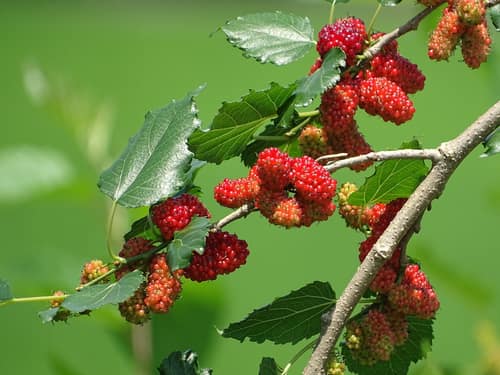
Host Plant no rights reserved, uploaded by 葉子 · cc0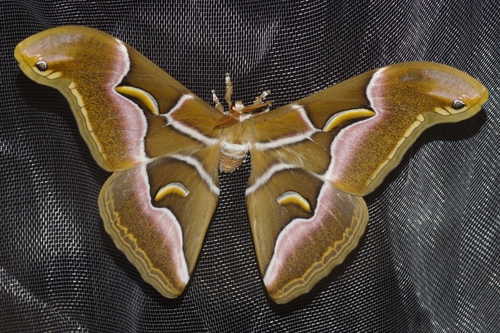
Ecological Counterpart (c) Takaaki Hattori, some rights reserved (CC BY), uploaded by Takaaki Hattori · cc-by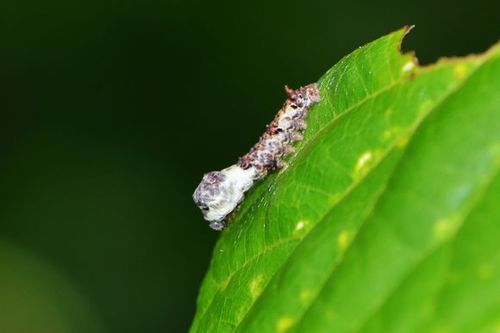
Close Relative (c) Zinogre, some rights reserved (CC BY-SA) · cc-by-sa
Help improve the field guideSomething wrong?
Checking your Fauna account…Report a name, category, or profile issue for review.