
Insect · GBIF taxon 1865862
Rosy Maple Moth
Dryocampa rubicundaAlso known as Greenstriped Mapleworm Moth
Adult rosy maple moths emerge at dusk with distinctive pastel pink and bright yellow woolly bodies, flying primarily during the late spring and summer months. Adults have vestigial mouthparts and never feed, surviving solely on fat reserves accumulated during their larval phase. Males detect female pheromones across considerable distances using large, feathery bipectinate antennae before mating in brief nocturnal encounters.
NocturnalColorfulSilk Moth
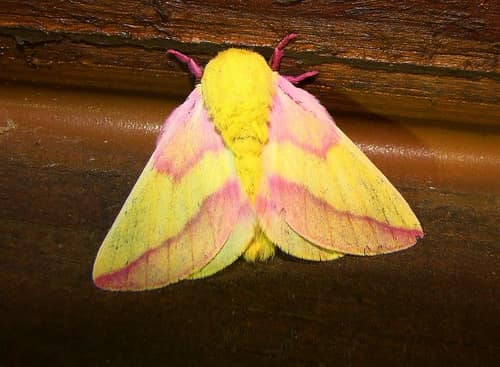
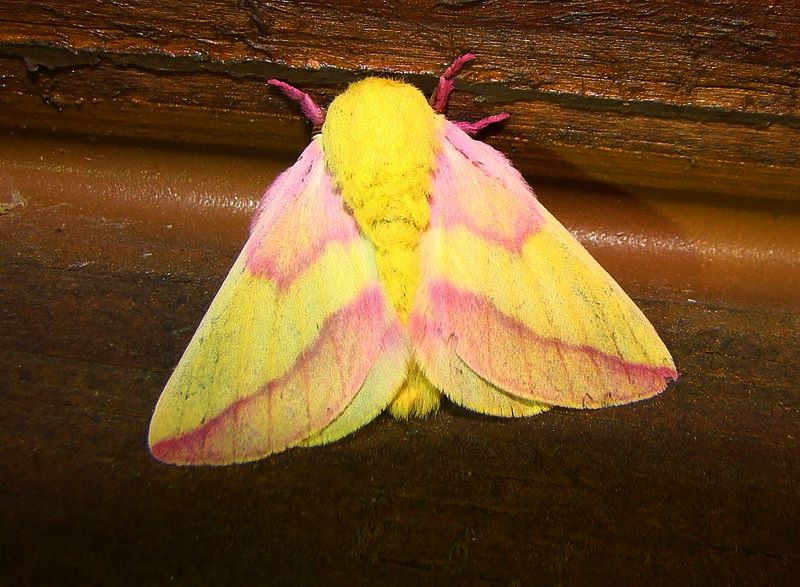
—observations
—countries
—peak records
Not EvaluatedConservation statusIUCN Red List categoriesLCNTVUENCREWEXNot Evaluated — not placed on the risk ladderRed List categories, explained →
Diet & prey
- Non-feeding as adults; larvae feed on foliage of maple and oak trees
Predators
- Blue Jay
- Big Brown Bat
- Tufted Titmouse
ThreatsArtificial light pollution, pesticide spraying, and habitat fragmentation
HabitatsDeciduous forests, suburban woodlands, and parks
Life spanAdults live 2–9 days; full life cycle lasts about 1 year
Size / weightNot available
Classification
- FamilySaturniidae
- SpeciesDryocampa rubicunda
Range data is not available yet.
Interaction riskLow
- Low
- Moderate
- High
- Very high
- Why interaction risk is low
- Harmless to humans; safe to observe at close range.
Responsible observation
- Night Lighting: Check porch lights or set up UV moth sheets on warm summer nights.
- Gentle Inspection: Adults are docile and will calmly rest on an outstretched finger.
- Tree Trunks: Look on shaded tree bark and leaf undersides during early daylight hours.
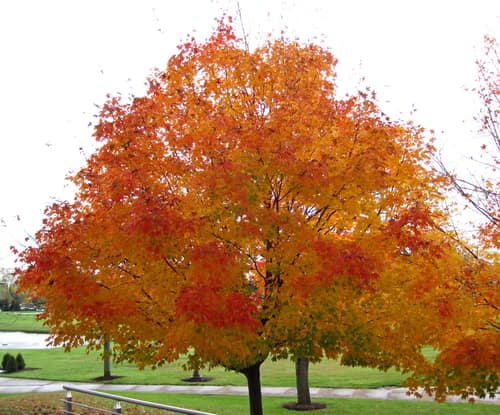
Host Plant (c) James St. John, some rights reserved (CC BY) · cc-by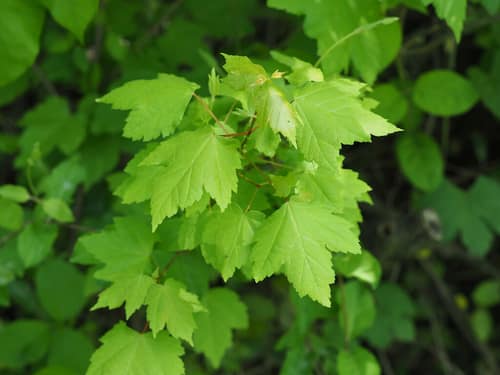
Host Plant no rights reserved, uploaded by mefisher · cc0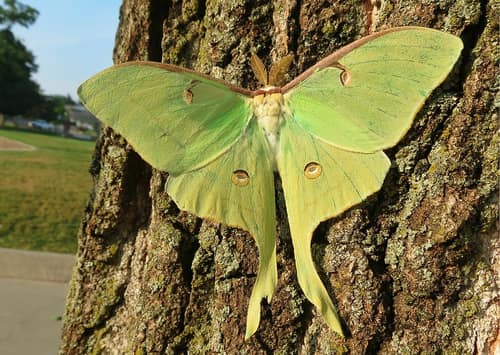
Same Family "Lovely luna moth at the Neosho National Fish Hatchery" by U.S. Fish and Wildlife Service - Midwest Region is licensed under CC BY 2.0. To view a copy of this license, visit https://creativecommons.org/licenses/by/2.0/. · cc-by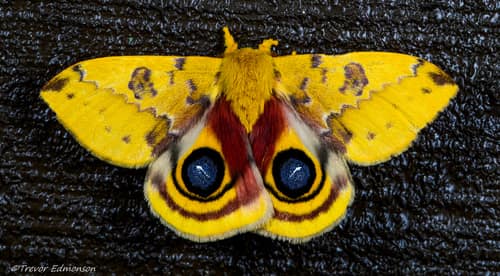
Same Family (c) Trevor Edmonson, some rights reserved (CC BY), uploaded by Trevor Edmonson · cc-by
Help improve the field guideSomething wrong?
Checking your Fauna account…Report a name, category, or profile issue for review.