
Insect
Imperial Moth
Eacles imperialisAlso known as Imperial Silkmoth
Imperial moths are among the largest insects in North America, sporting broad bright yellow wings heavily mottled with purplish-brown blotches. Adults possess only vestigial mouthparts and cannot feed, relying entirely on fat reserves accumulated during their voracious caterpillar stage to locate mates during brief summer flights. After mating, females drop large amber eggs among canopy foliage, and the resulting horned caterpillars later burrow directly into subterranean soil rather than spinning a silken cocoon.
NocturnalGiant Silk MothForest Dweller
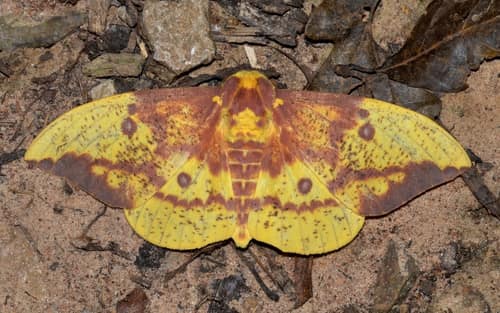
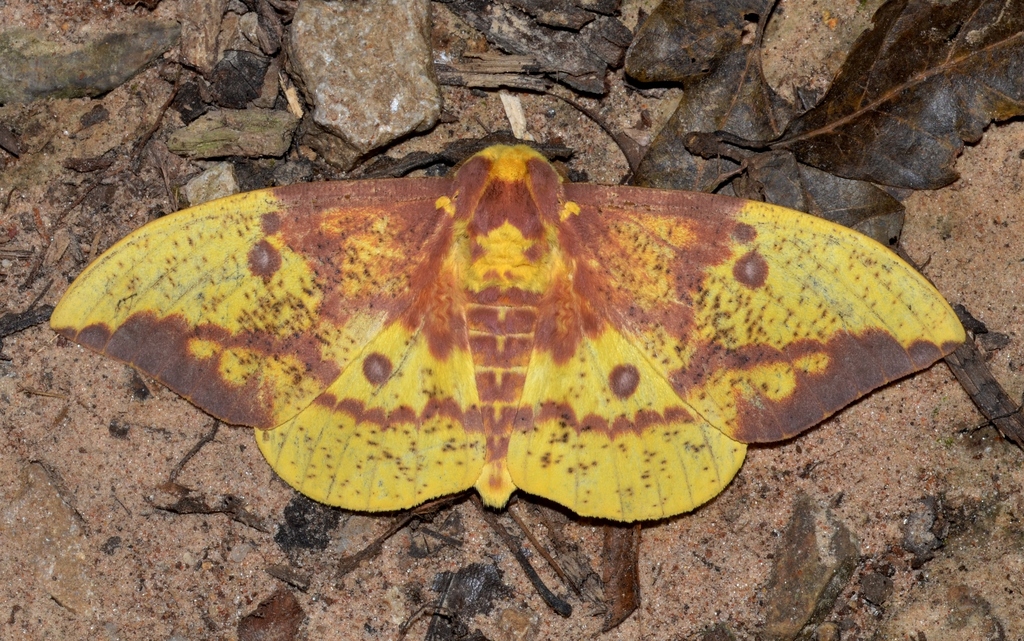
—observations
—countries
—peak records
Not EvaluatedConservation statusIUCN Red List categoriesLCNTVUENCREWEXNot Evaluated — not placed on the risk ladderRed List categories, explained →
Diet & preyOak leaves, Pine needles, Sweetgum foliage
Predators
- Big brown bat
- Blue jay
- White-footed mouse
ThreatsArtificial light pollution, pesticide runoff, and forest fragmentation
HabitatsDeciduous, coniferous, and mixed woodlands, forest margins, and suburban parks
Life span7–10 days as adults; approximately 1 year total lifespan
Classification
- OrderLepidoptera
- FamilySaturniidae
- GenusEacles
- SpeciesEacles imperialis
Range data is not available yet.
Interaction riskLow
- Low
- Moderate
- High
- Very high
- Why interaction risk is low
- Safe to observe at a normal distance.
Responsible observation
- Porch Lights: Look for resting adults near outdoor security or porch lights early in the morning.
- Gentle Handling: Avoid touching the wings directly to preserve the delicate dust-like flight scales.
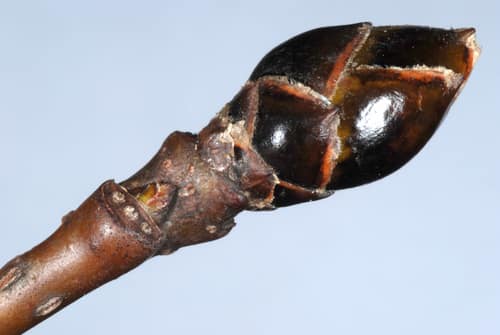
Host Plant (c) Douglas Goldman, some rights reserved (CC BY-SA), uploaded by Douglas Goldman · cc-by-sa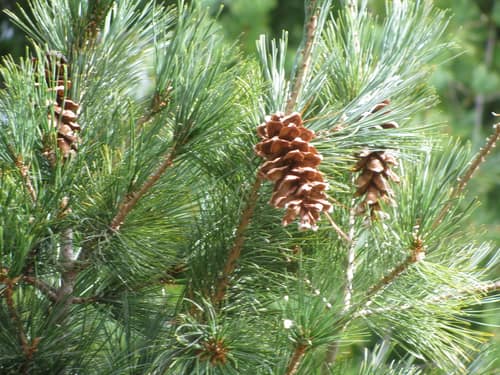
Host Plant (c) Forest and Kim Starr, some rights reserved (CC BY) · cc-by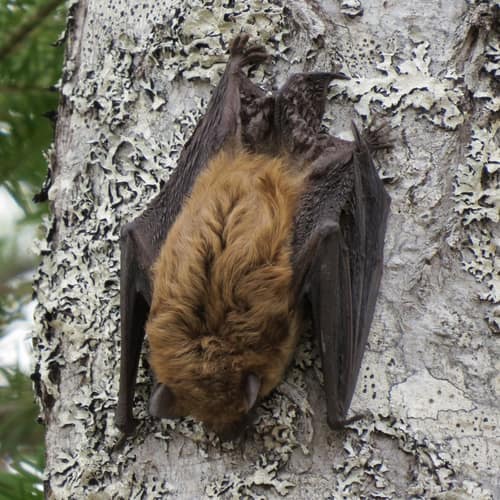
Predator (c) Fyn Kynd, some rights reserved (CC BY) · cc-by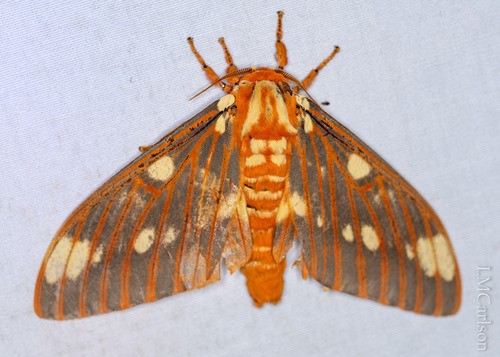
Close Relative (c) NC Moth Project, some rights reserved (CC BY-SA), uploaded by NC Moth Project · cc-by-sa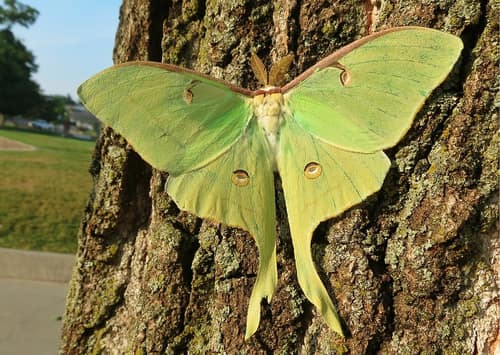
Family Relative "Lovely luna moth at the Neosho National Fish Hatchery" by U.S. Fish and Wildlife Service - Midwest Region is licensed under CC BY 2.0. To view a copy of this license, visit https://creativecommons.org/licenses/by/2.0/. · cc-by
Keep collecting in Fauna
Found in Collections
Species set
Moonlight Marvels
Imperial Moth is found in this collection. Identify it in Fauna to fill this slot and continue your progress.
—/7
Help improve the field guideSomething wrong?
Checking your Fauna account…Report a name, category, or profile issue for review.