
Insect
Elephant Hawkmoth
Deilephila elpenorAlso known as Large Elephant Hawk Moth, Large Elephant Hawkmoth
Elephant hawkmoths display striking olive-green and vivid pink wings that make them among the most recognizable nocturnal insects in Eurasia. Active primarily at dusk and night, adults hover over tubed flowers such as honeysuckle to sip nectar using a long proboscis. When alarmed, the gray-brown caterpillars retract their front segments to swell their eye-like markings, mimicking a small snake to deter potential predators.
NocturnalColorfulMoth
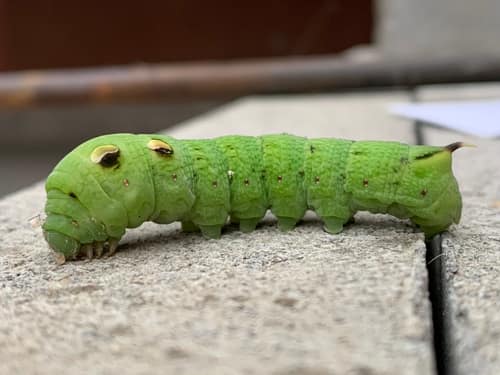
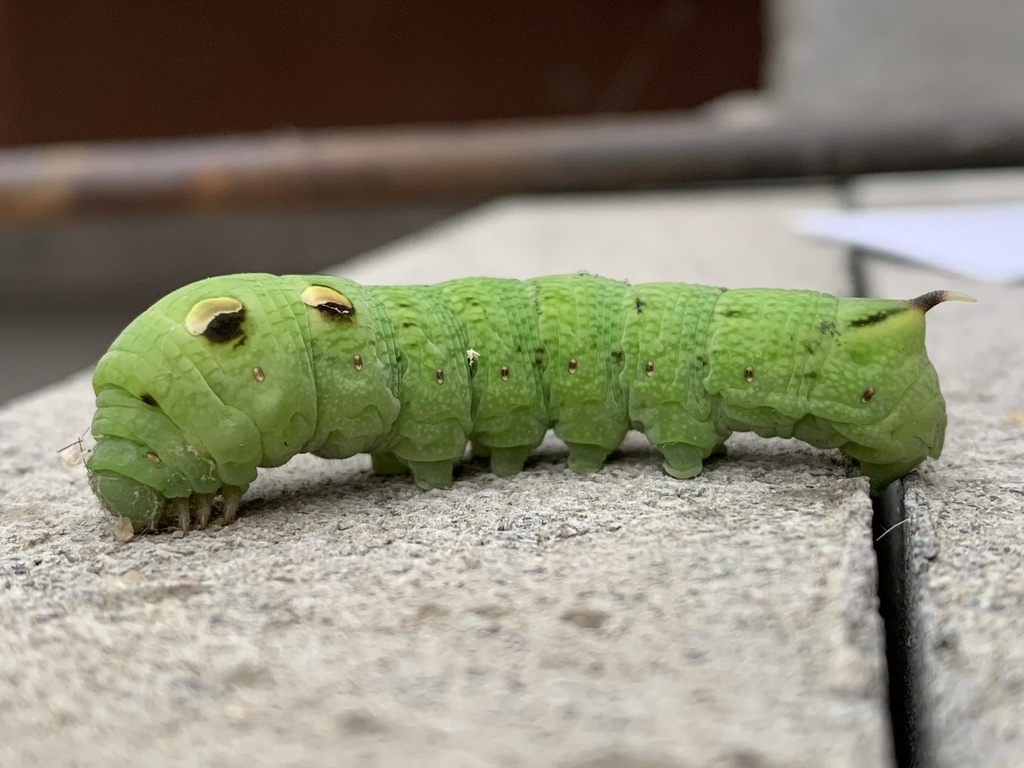
—observations
—countries
—peak records
Least ConcernConservation statusIUCN Red List categoriesLCNTVUENCREWEXLeast ConcernRed List categories, explained →
Diet & preyNectar, Willowherb, Bedstraw
Predators
- Bats
- Songbirds
- Rodents
ThreatsArtificial light pollution, habitat loss, and pesticide use
HabitatsGardens, hedgerows, open woodlands, heathlands, and grassy verges
Life span1–2 years across all life stages
Classification
- OrderLepidoptera
- FamilySphingidae
- GenusDeilephila
- SpeciesDeilephila elpenor
Range data is not available yet.
Interaction riskLow
- Low
- Moderate
- High
- Very high
- Why interaction risk is low
- Safe to observe at a normal distance.
Responsible observation
- Attract with Lights: Set up a white sheet illuminated by a light source on summer nights to observe adult moths.
- Plant Host Species: Grow rosebay willowherb or fuchsias to encourage females to lay eggs in your garden.
- Inspect Low Vegetation: Look for large, eye-spotted caterpillars crawling near ground level in late summer.
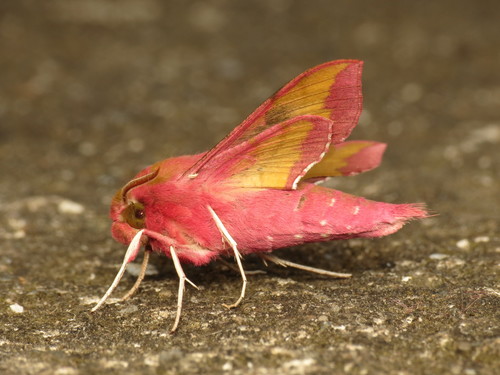
Close Relative (c) Donald Hobern, some rights reserved (CC BY) · cc-by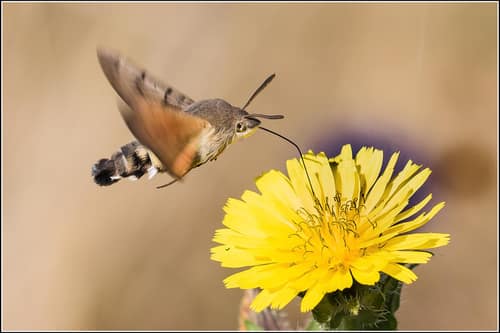
Family Member (c) Smudge 9000, some rights reserved (CC BY-SA) · cc-by-sa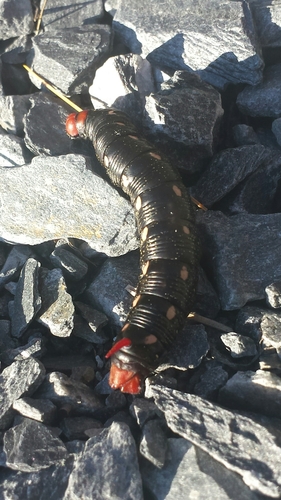
Family Member (c) Tom Norton, some rights reserved (CC BY) · cc-by
Keep collecting in Fauna
Found in Collections
Species set
Moonlight Marvels
Elephant Hawkmoth is found in this collection. Identify it in Fauna to fill this slot and continue your progress.
—/7
Help improve the field guideSomething wrong?
Checking your Fauna account…Report a name, category, or profile issue for review.