
Insect
Leafy Spurge Hawkmoth
Hyles euphorbiaeAlso known as Spurge Hawk-moth, Spurge Hawkmoth
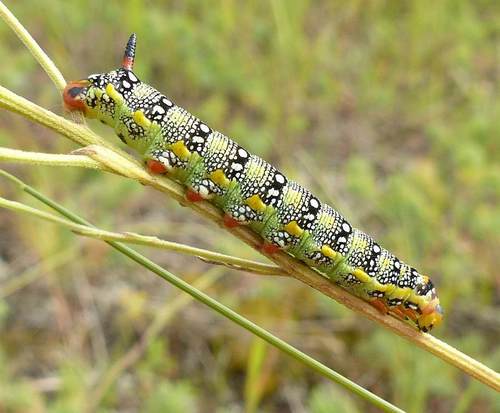
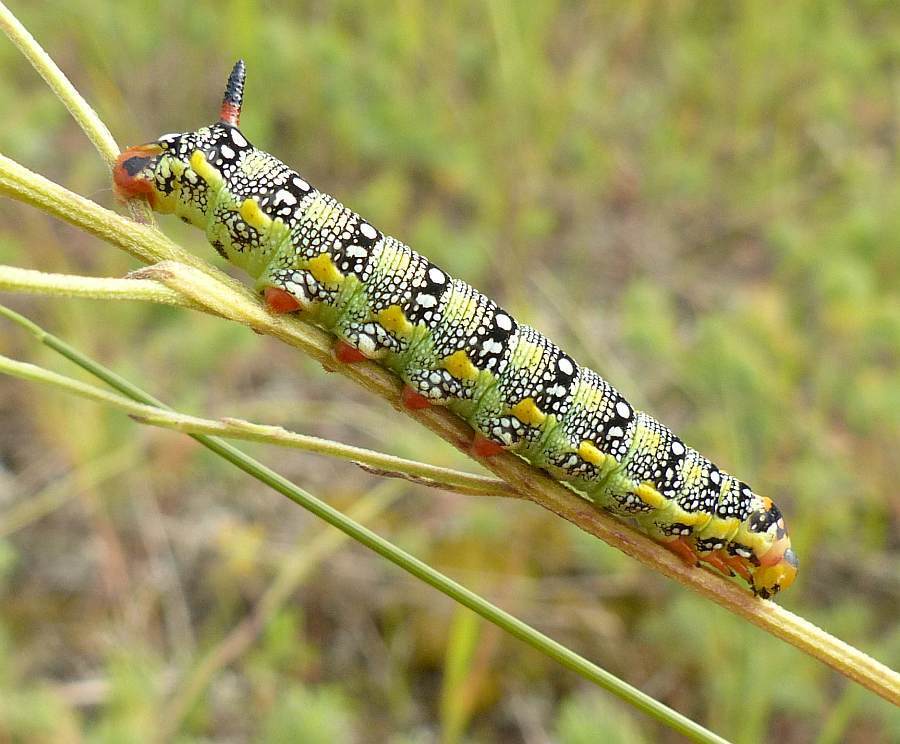
Spurge hawkmoths feature striking olive, pink, and tan wings, but their caterpillars are even more dramatic with bold red, black, and yellow warning colors. Larvae feed voraciously on toxic spurge plants, concentrating latex compounds to render themselves unpalatable to birds and other predators. Capable of long-distance flight, adults hover deftly over evening blossoms to sip nectar with exceptionally long proboscises.
NocturnalColorfulPollinator
—observations
—countries
—peak records
Not EvaluatedConservation statusIUCN Red List categoriesLCNTVUENCREWEXNot Evaluated — not placed on the risk ladderRed List categories, explained →
Diet & preyLeafy spurge foliage, Wildflower nectar, Evening primrose nectar
Predators
- Bats
- Birds
- Spiders
ThreatsBroad-spectrum pesticide application and severe weather disruptions
HabitatsGrasslands, pastures, dunes, scrublands, and disturbed fields
Life span1 to 2 years including winter pupal diapause
Classification
- FamilySphingidae
- SpeciesHyles euphorbiae
Range data is not available yet.
Interaction riskLow
- Low
- Moderate
- High
- Very high
- Why interaction risk is low
- Safe to observe at a normal distance.
Responsible observation
- Spotting Larvae: Look for vibrant red, yellow, and black caterpillars feeding on spurge stems in late summer.
- Evening Sightings: Scan sweet-scented, night-blooming flowers at dusk to watch adults hover while sipping nectar.
- Respecting Larvae: Observe caterpillars without squeezing them to avoid triggering defensive fluid regurgitation.
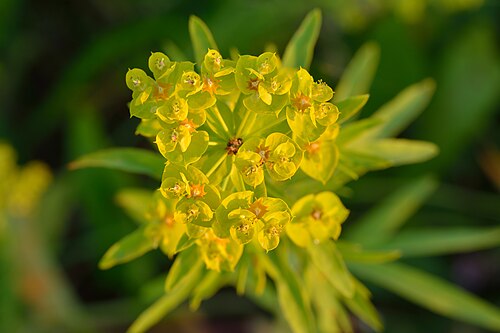
Host Plant Ivar Leidus / CC BY-SA 3.0 · cc-by-sa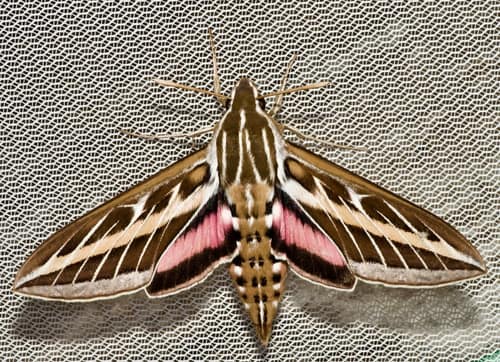
Close Relative (c) Michelle W. (鍾偉瑋), some rights reserved (CC BY), uploaded by Michelle W. (鍾偉瑋) · cc-by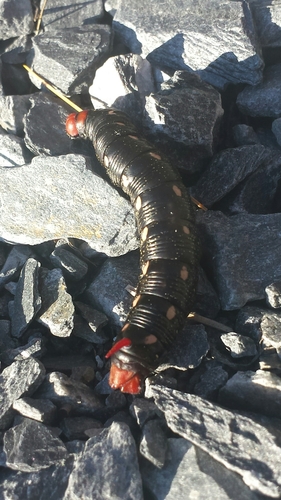
Close Relative (c) Tom Norton, some rights reserved (CC BY) · cc-by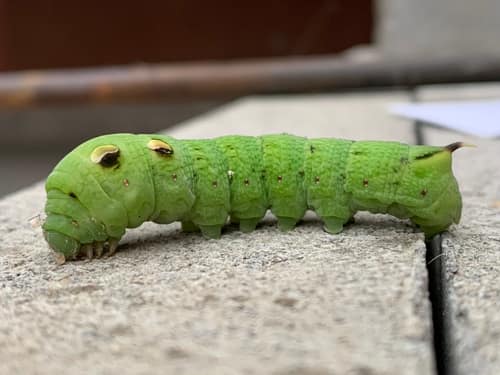
Family Relative (c) Azamat A. Totikov, some rights reserved (CC BY), uploaded by Azamat A. Totikov · cc-by
Help improve the field guideSomething wrong?
Checking your Fauna account…Report a name, category, or profile issue for review.