
Insect
Abbott's Sphinx
Sphecodina abbottiiAlso known as Abbott's Sphinx Moth
Abbott's sphinx relies on masterclass camouflage, featuring forewings styled like ragged wood bark and bright yellow hindwings exposed only in flight. Caterpillars display distinct morphs that mimic grapevine wood, anchored by a glossy eye-like knob at the rear instead of a typical hawkmoth tail horn. Found in woodlands and suburbs across eastern North America, adults actively hover at dusk to sip nectar from garden blossoms.
CrypticDusk FlyerHawkmoth
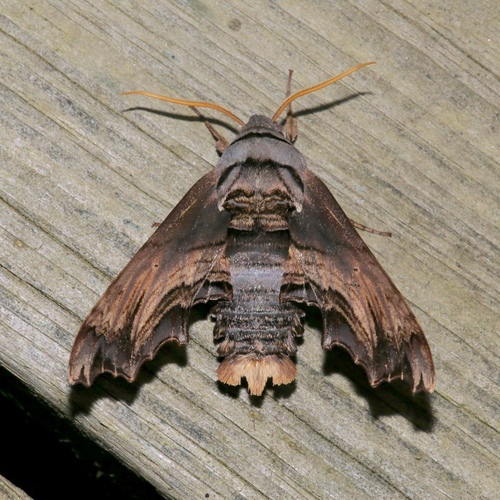
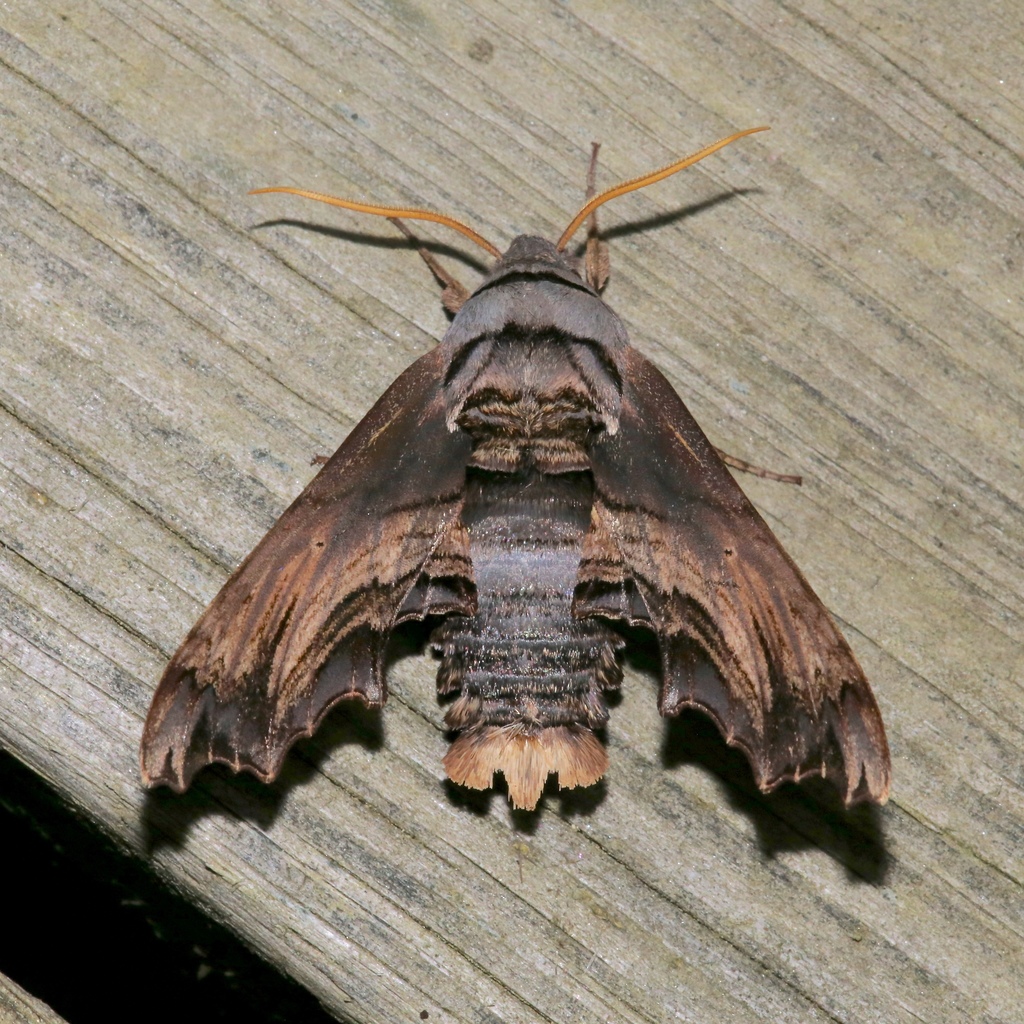
—observations
—countries
—peak records
Least ConcernConservation statusIUCN Red List categoriesLCNTVUENCREWEXLeast ConcernRed List categories, explained →
Diet & preyFloral nectar, Grapevine leaves, Virginia creeper leaves
Predators
- Insectivorous birds
- Bats
- Spiders
ThreatsPesticides, habitat fragmentation, outdoor light pollution
HabitatsDeciduous forests, woodland edges, suburban gardens, vine thickets
Life span1–2 weeks as adult; up to 1 year total life cycle
Classification
- OrderLepidoptera
- FamilySphingidae
- GenusSphecodina
- SpeciesSphecodina abbottii
Range data is not available yet.
Interaction riskLow
- Low
- Moderate
- High
- Very high
- Why interaction risk is low
- Safe to observe at a normal distance.
Responsible observation
- Look for Caterpillars: Search grapevines and Virginia creeper during late summer for mature larvae.
- Watch Dusk Blooms: Look near deep-throated flowers like lilac and honeysuckle at twilight.
- Observe Bark Mimicry: Notice how resting adults curve their abdomens upward to resemble broken twigs.
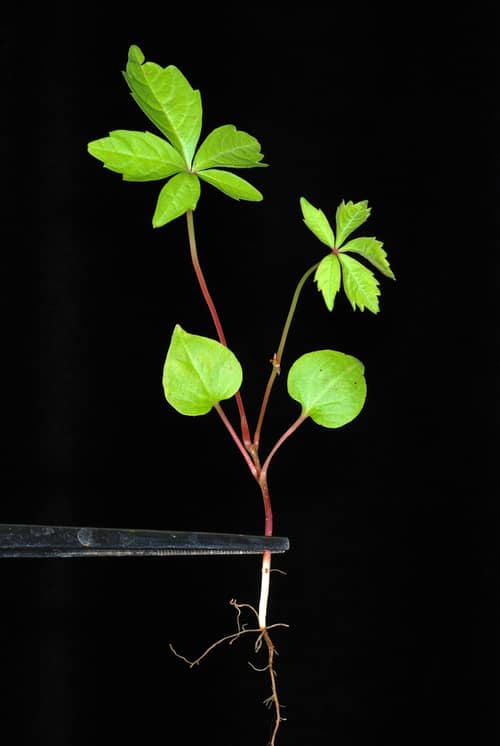
Host Plant (c) Douglas Goldman, some rights reserved (CC BY-SA), uploaded by Douglas Goldman · cc-by-sa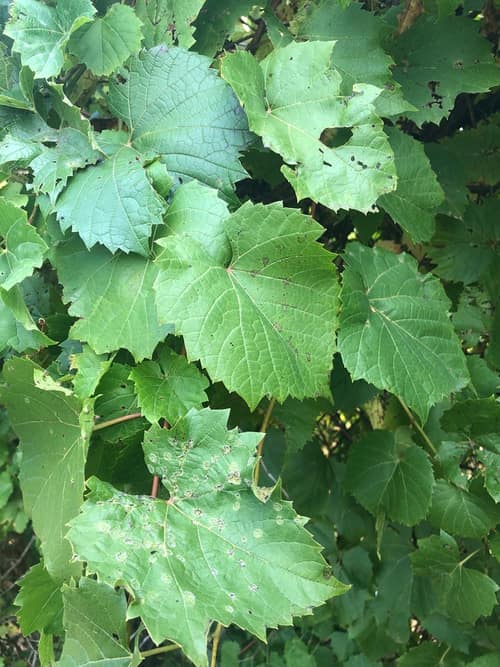
Host Plant (c) miquelon, some rights reserved (CC BY), uploaded by miquelon · cc-by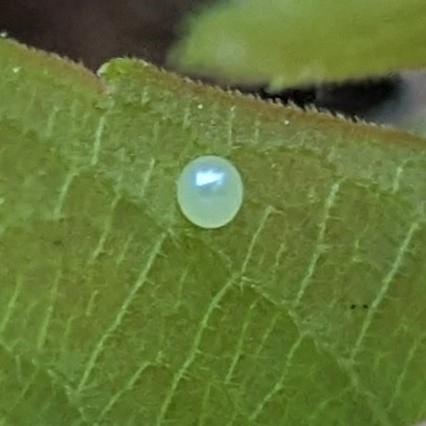
Close Relative no rights reserved, uploaded by Nonbinary-Naturalist · cc0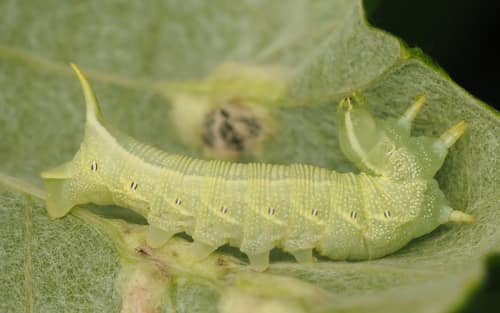
Close Relative no rights reserved · cc0
Keep collecting in Fauna
Found in Collections
Species set
Moonlight Marvels
Abbott's Sphinx is found in this collection. Identify it in Fauna to fill this slot and continue your progress.
—/7
Help improve the field guideSomething wrong?
Checking your Fauna account…Report a name, category, or profile issue for review.