
Rusty Tussock Moth
Orgyia antiquaAlso known as Vapourer, Vapourer Moth, Rusty Vaporer
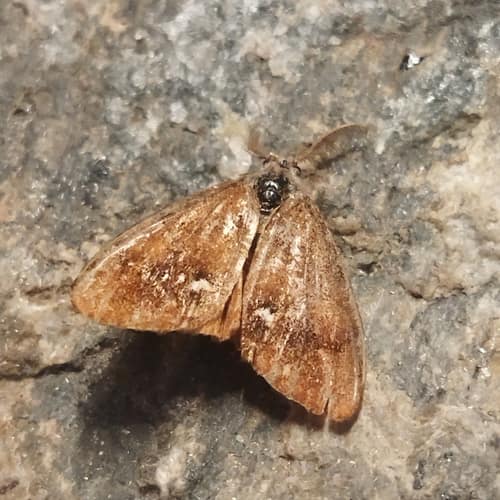
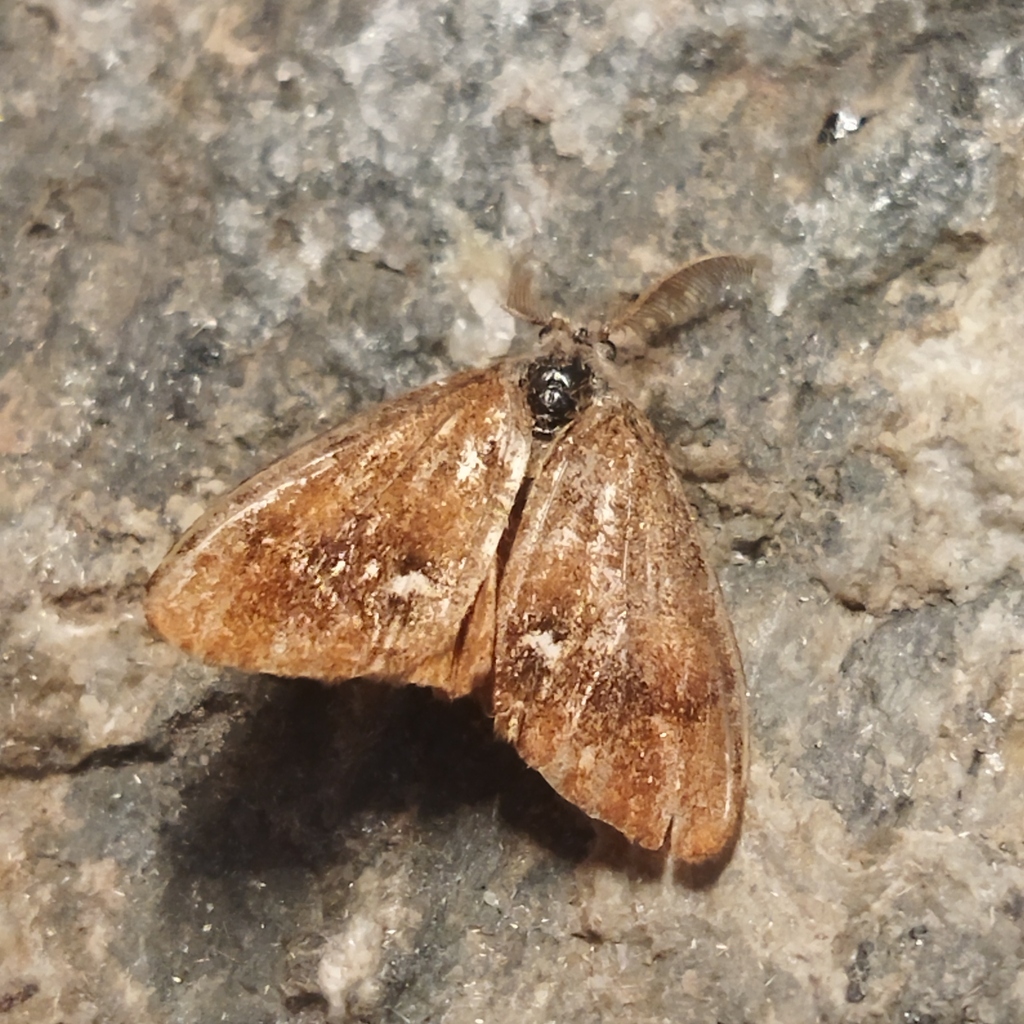
Rusty tussock moths exhibit striking sexual dimorphism, pairing nimble, rust-colored males that fly in erratic daytime zigzags with stout, wingless females that never take flight. Upon emerging from her silk cocoon, the female remains stationary on the outer casing, emitting sex pheromones to draw males before depositing her entire clutch of eggs across the silk shell. The flamboyantly colored caterpillars wield dense dorsal hair tufts and twin black front pencils, browsing on foliage across a wide spectrum of forest and garden flora.
- Birch leaves
- Willow foliage
- Hawthorn leaves
- Common cuckoo
- Parasitoid wasps
- Jumping spiders
- OrderLepidoptera
- FamilyErebidae
- GenusOrgyia
- SpeciesOrgyia antiqua
- Low
- Moderate
- High
- Very high
- Why interaction risk is low
- Caterpillar setae cause itchy contact dermatitis; avoid touching the larvae or their hairy cocoons.
- Why it is dangerous
- Barbed larval setae contain urticating histamine-releasing compounds that trigger localized rashes, severe itching, and dermatitis upon contact.
- How to recognize a risky encounter
- Look for a dark caterpillar with four creamy brush-like tufts on its back and two long black hair pencils projecting from its head.
- What to do
- Do not touch the caterpillars or silk cocoons with bare skin; gently rinse the area with cool water and soap if accidentally exposed.
- Finding Females: Check tree trunks and wooden fences in late summer for wingless females sitting on their cocoons.
- Safe Observation: Photograph caterpillars with a macro lens to admire their vivid colors without touching the urticating hairs.
- Watching Males: Look for day-flying males zigzagging over sunny hedgerows as they track female scent plumes.
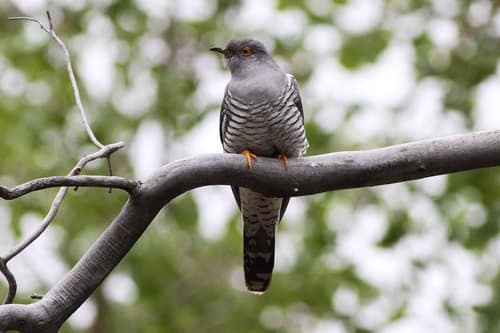
Predator Ron Knight from Seaford, East Sussex, United Kingdom / CC BY 2.0 · cc-by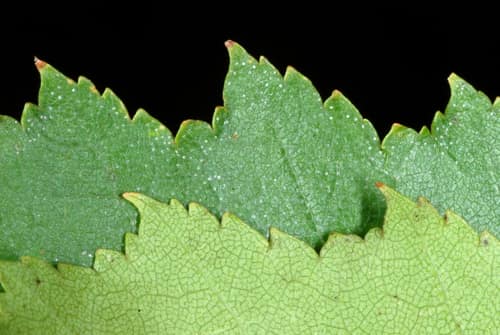
Host Plant (c) Douglas Goldman, some rights reserved (CC BY-SA), uploaded by Douglas Goldman · cc-by-sa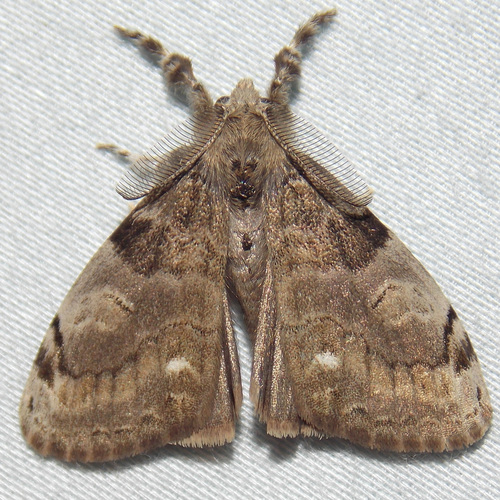
Close Relative (c) Fyn Kynd, some rights reserved (CC BY-SA), uploaded by Fyn Kynd · cc-by-sa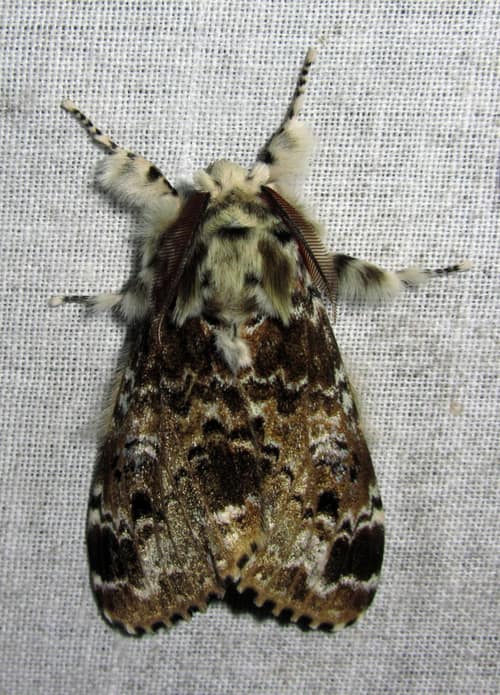
Same Family (c) goldentakin, some rights reserved (CC BY), uploaded by goldentakin · cc-by
Found in Collections
Moonlight Marvels
Rusty Tussock Moth is found in this collection. Identify it in Fauna to fill this slot and continue your progress.
Report a name, category, or profile issue for review.