
Insect · GBIF taxon 1526081
Stable Fly
Stomoxys calcitransAlso known as Barn Fly, Biting House Fly, Dog Fly, Power Mower Fly
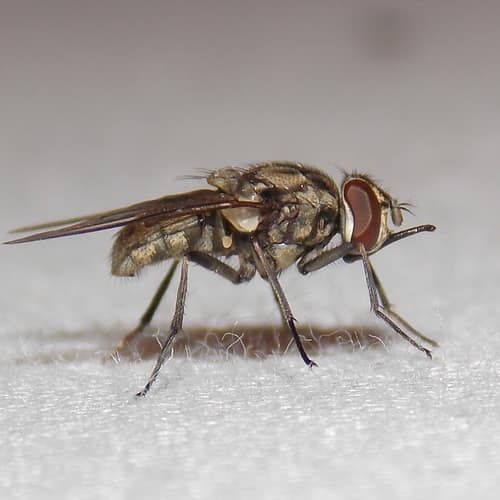
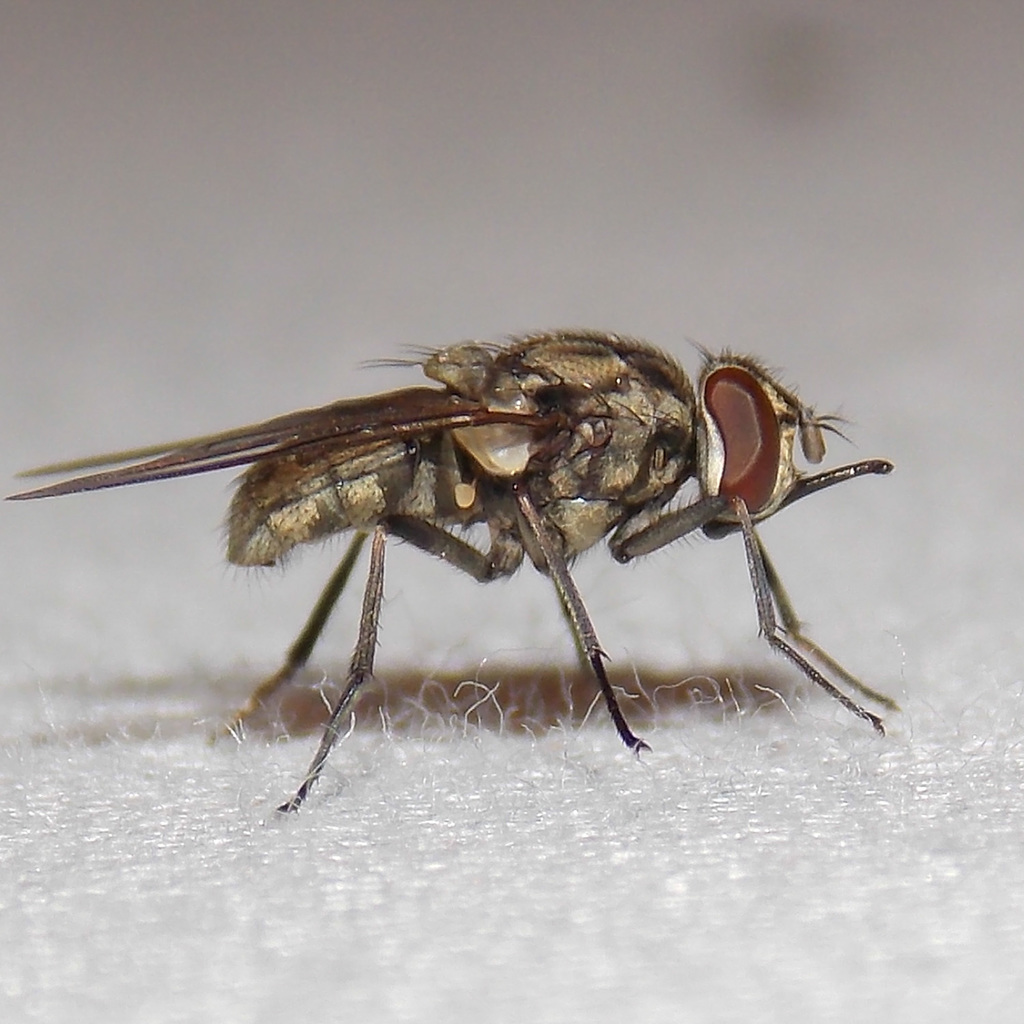
Superficially resembling the common house fly, the stable fly is readily distinguished by its rigid, bayonet-like proboscis projecting forward from beneath the head. Both sexes require multiple mammalian blood meals each day, targeting the lower legs of livestock and humans with piercing bites that cause frantic stomping and stress. Females deposit clutches of eggs within fermenting mixtures of plant matter and animal manure, especially decaying straw bedding and rotting grass piles.
Biting InsectCosmopolitanLivestock Pest
 1 / 7
1 / 7—observations
—countries
—peak records
Not EvaluatedConservation statusIUCN Red List categoriesLCNTVUENCREWEXNot Evaluated — not placed on the risk ladderRed List categories, explained →
Diet & prey
- Cattle Blood
- Horse Blood
- Domestic Dog Blood
Predators
- Barn Swallow
- Jumping Spiders
- Robber Flies
ThreatsInsecticide treatments, parasitic wasps, and thorough sanitation of organic waste
HabitatsPastures, barnyards, coastal dunes, agricultural fields, and suburban gardens
Life span3–4 weeks as adults (larval cycle 2–3 weeks)
Size / weightNot available
Classification
- FamilyMuscidae
- SpeciesStomoxys calcitrans
Range data is not available yet.
Interaction riskLow
- Low
- Moderate
- High
- Very high
- Why interaction risk is low
- Safe to observe, though adults deliver a sharp, painful bite to bare skin when seeking blood.
Responsible observation
- Protection: Wear thick socks and long trousers around livestock pens to deter painful bites around the ankles.
- Sanitation: Clear away damp, decaying straw bedding and compost heaps to interrupt local larval development.
- Identification: Look for the slender, polished black proboscis jutting out horizontally in front of the head.
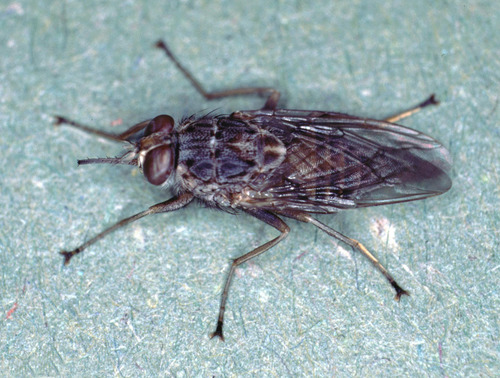
Ecological Counterpart (c) Alan R Walker, some rights reserved (CC BY-SA) · cc-by-sa Image unavailable
Parasitoid 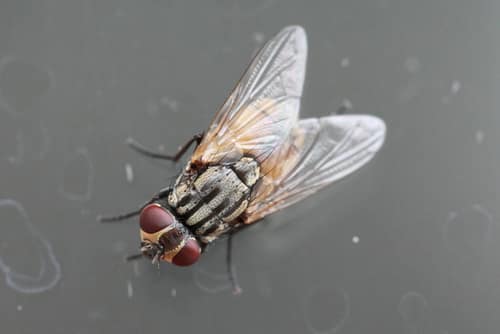
Same Family no rights reserved, uploaded by Richard Fuller · cc0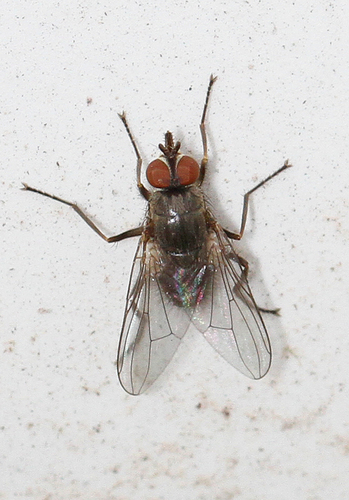
Same Family (c) Judy Gallagher, some rights reserved (CC BY-SA), uploaded by Judy Gallagher · cc-by-sa
Help improve the field guideSomething wrong?
Checking your Fauna account…Report a name, category, or profile issue for review.