
Insect · GBIF taxon 1428277
Autumn Meadowhawk
Sympetrum vicinumAlso known as Yellow-Legged Meadowhawk
Bright red mature males and brownish females fly long into late autumn, often remaining active after the first frosts of the season. Unlike most look-alike meadowhawks, adults feature distinctive yellowish or pale brown legs rather than solid black ones. Pairs mate in tandem while hovering over sunny pond margins, dropping eggs directly into damp soil or soft mud.
DragonflyLate FlyerPercher
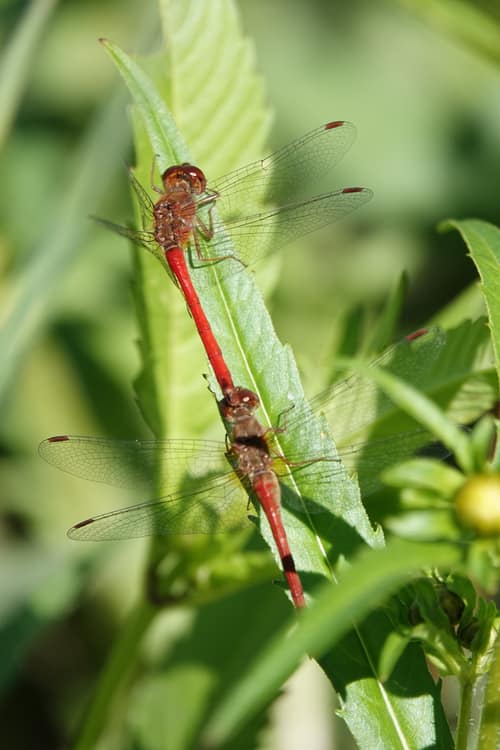
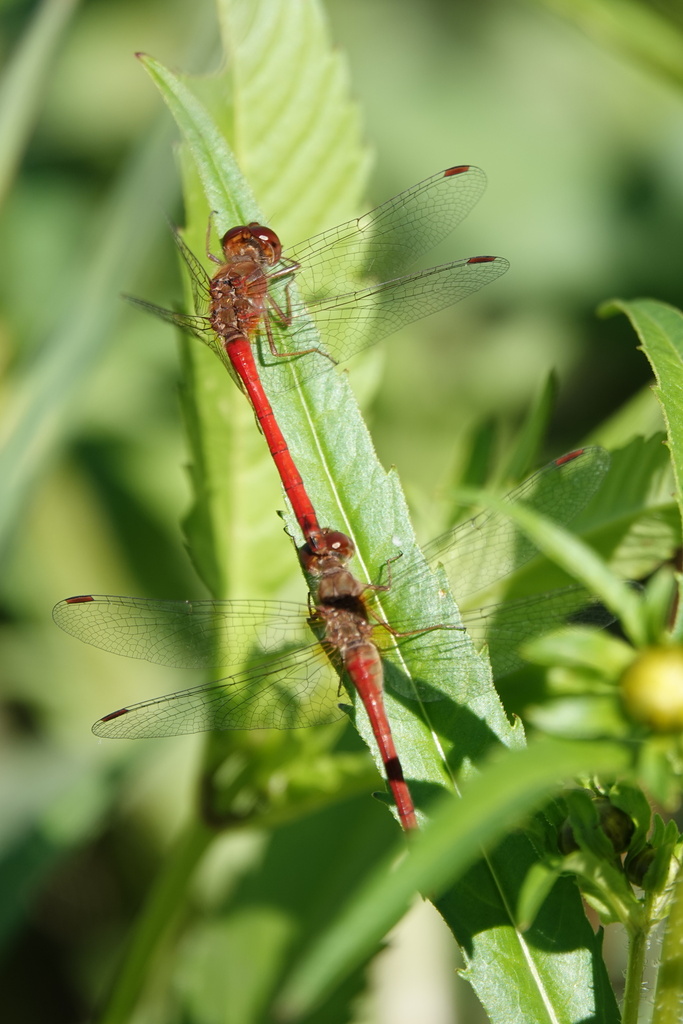
—observations
—countries
—peak records
Least ConcernConservation statusIUCN Red List categoriesLCNTVUENCREWEXLeast ConcernRed List categories, explained →
Diet & prey
- Mosquitoes
- Gnats
- Flies
Predators
- Birds
- Frogs
- Larger dragonflies
ThreatsWater pollution, wetland destruction, and chemical runoff
HabitatsPonds, lakes, marshes, and slow-moving streams
Life span1 year (mostly spent as aquatic larva)
Classification
- OrderOdonata
- FamilyLibellulidae
- GenusSympetrum
- SpeciesSympetrum vicinum
Range data is not available yet.
Interaction riskLow
- Low
- Moderate
- High
- Very high
- Why interaction risk is low
- Safe to observe at a normal distance.
Responsible observation
- Observation Timing: Look for them basking on warm stones or bare ground during chilly autumn afternoons.
- Approach Strategy: Move slowly from behind to get close while they perch on low vegetation.
- Identification Tip: Examine leg coloration closely, as pale legs distinguish them from similar red meadowhawks.
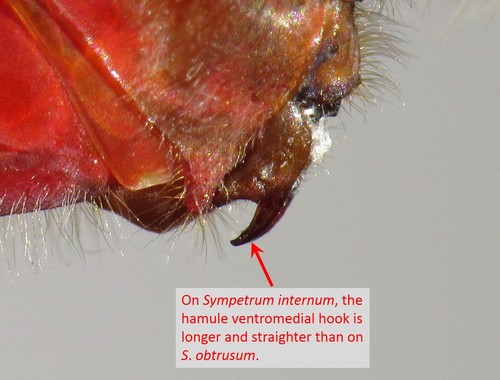
Close Relative (c) Nick Block, some rights reserved (CC BY), uploaded by Nick Block · cc-by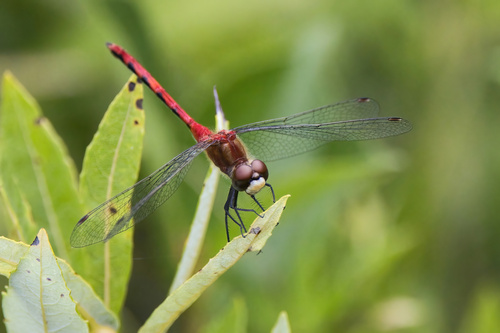
Close Relative (c) Lauren McLaurin, some rights reserved (CC BY) · cc-by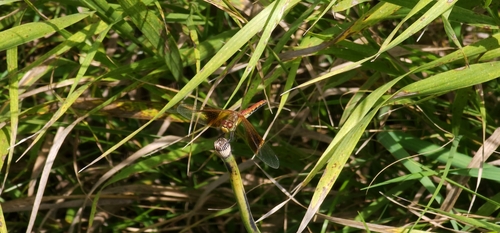
Close Relative (c) Steven J. Røste, some rights reserved (CC BY) · cc-by
Keep collecting in Fauna
Found in Collections
Ecosystem chain
Wetland Territory
Autumn Meadowhawk is found in this collection. Identify it in Fauna to fill this slot and continue your progress.
—/12
Help improve the field guideSomething wrong?
Checking your Fauna account…Report a name, category, or profile issue for review.