
Insect · GBIF taxon 1428274
White-faced Meadowhawk
Sympetrum obtrusumWhite-faced meadowhawks dart through marshy meadows and sunny field edges across northern North America, hunting flying insects on the wing. Mature males sport a striking porcelain-white face that contrasts vividly against their scarlet abdomen, while females and young display warm golden-brown tones. They frequently return to the exact same sunlit twig or grass stalk between short hunting sallies, making them rewarding subjects for patient observers.
DragonflyPercherLate Summer
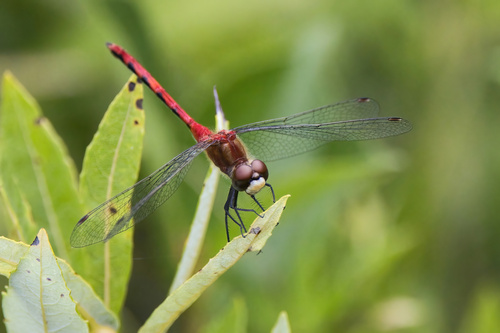
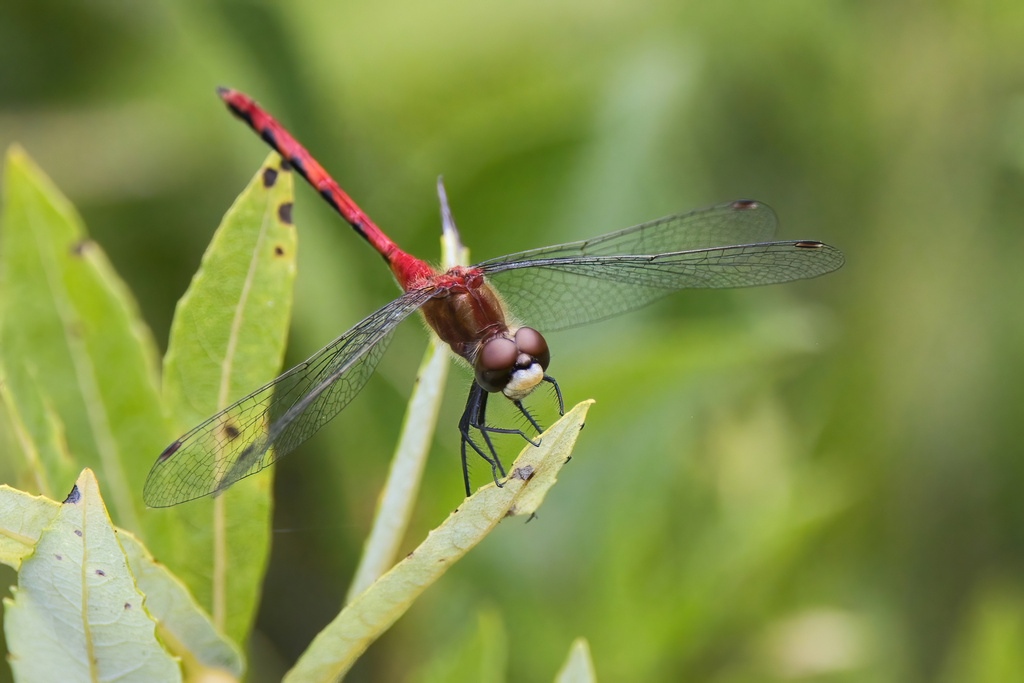
—observations
—countries
—peak records
Least ConcernConservation statusIUCN Red List categoriesLCNTVUENCREWEXLeast ConcernRed List categories, explained →
Diet & prey
- Mosquitoes
- Midges
- Small flies
Predators
- Birds
- Frogs
- Larger dragonflies
ThreatsWetland loss, water contamination, and invasive aquatic plants
HabitatsPonds, marshes, bogs, wet meadows, and slow streams
Life span1 to 2 months as adult; up to 1 year as nymph
Classification
- OrderOdonata
- FamilyLibellulidae
- GenusSympetrum
- SpeciesSympetrum obtrusum
Range data is not available yet.
Interaction riskLow
- Low
- Moderate
- High
- Very high
- Why interaction risk is low
- Safe to observe at a normal distance.
Responsible observation
- Approach Slowly: Move cautiously near perch sites on sunny afternoons to avoid startling them into flight.
- Look at the Face: Check for the stark white face to distinguish mature males from other red meadowhawks.
- Scan Low Vegetation: Search along marsh edges and tall grasses where individuals rest between hunting sallies.
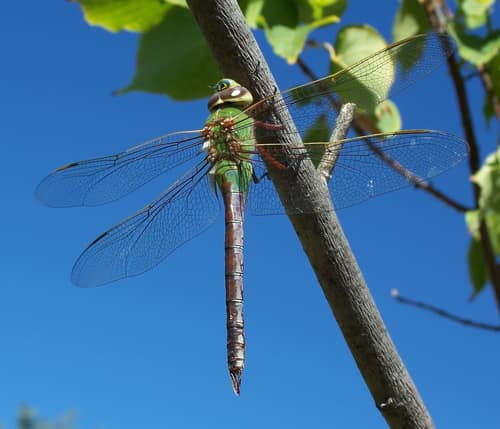
Predator (c) Eugene Zelenko, some rights reserved (CC BY-SA) · cc-by-sa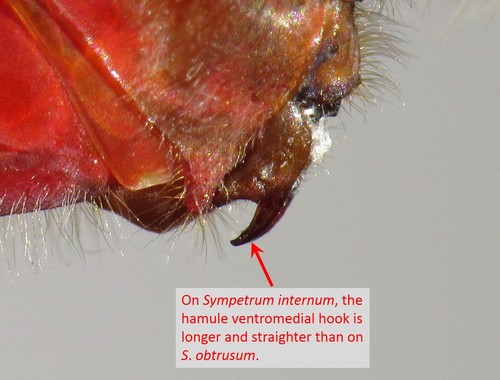
Close Relative (c) Nick Block, some rights reserved (CC BY), uploaded by Nick Block · cc-by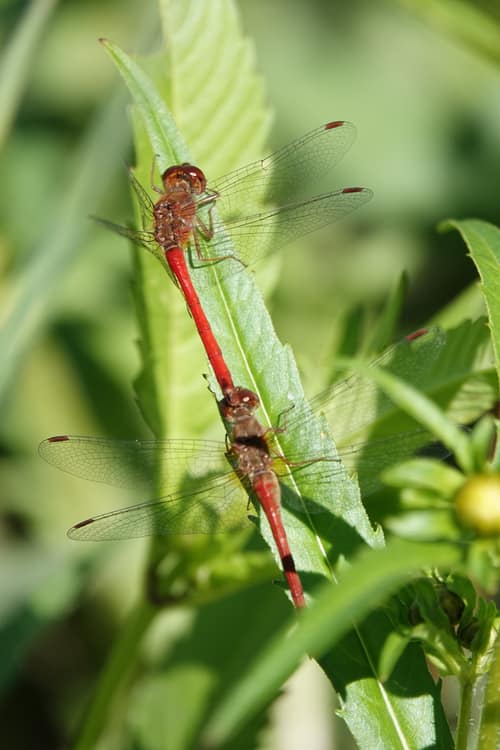
Close Relative (c) Amy MacPherson, some rights reserved (CC BY-SA) · cc-by-sa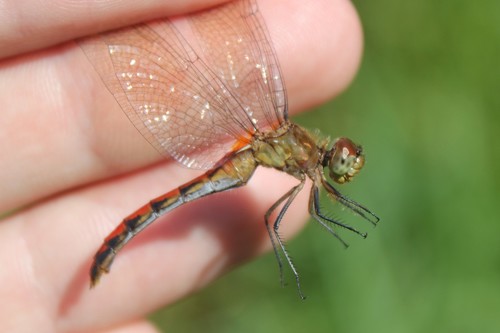
Close Relative (c) Quinten Wiegersma, some rights reserved (CC BY), uploaded by Quinten Wiegersma · cc-by
Keep collecting in Fauna
Found in Collections
Ecosystem chain
Wetland Territory
White-faced Meadowhawk is found in this collection. Identify it in Fauna to fill this slot and continue your progress.
—/12
Help improve the field guideSomething wrong?
Checking your Fauna account…Report a name, category, or profile issue for review.