
Insect
Oriental Rat Flea
Xenopsylla cheopisAlso known as Tropical Rat Flea, Rat Flea
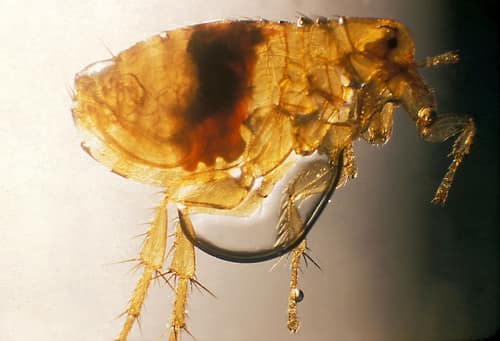
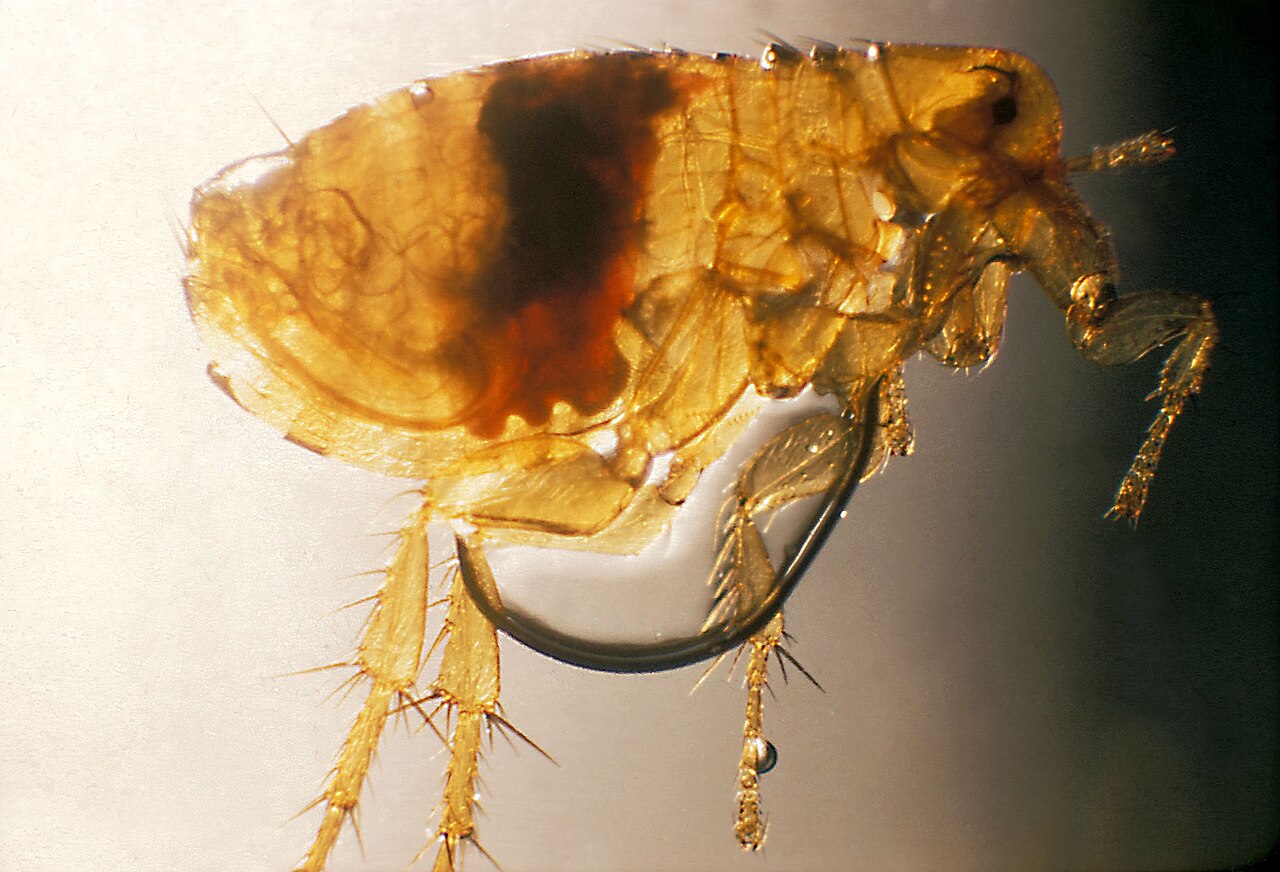
Oriental rat fleas are obligate blood-feeders that rely primarily on rodents to complete their life cycle. When bacterial infections like plague clog their digestive tracts, these starveling insects bite host after host in a desperate attempt to feed, rapidly transmitting dangerous pathogens. Females deposit eggs directly within rodent nests, where the legless larvae consume organic debris and adult flea droppings before pupating.
EctoparasiteDisease VectorFlightless
—observations
—countries
—peak records
Not EvaluatedConservation statusIUCN Red List categoriesLCNTVUENCREWEXNot Evaluated — not placed on the risk ladderRed List categories, explained →
Diet & preyRodent Blood, Human Blood
Predators
- Predatory Mites
- Beetles
- Pseudoscorpions
ThreatsPesticides, rodent control measures
HabitatsRodent nests, urban areas, ports, tropical regions
Life span1–12 months
Classification
- FamilyPulicidae
- SpeciesXenopsylla cheopis
Range data is not available yet.
Interaction riskModerate
- Low
- Moderate
- High
- Very high
- Why interaction risk is moderate
- Carries deadly pathogens like plague; avoid touching wild rodents or their nests.
- Why it is dangerous
- Transmits Yersinia pestis (plague) and Rickettsia typhi (murine typhus) via bites when bacteria block its digestive tract.
- How to recognize a risky encounter
- Tiny, wingless, light brown insect measuring 1.5–2.5 mm long with a laterally flattened body and strong jumping legs.
- What to do
- Do not handle wild rodents or their nests, and use professional pest control for indoor infestations.
Responsible observation
- Pest Control: Eliminate rodent harborage and seal entry points around buildings to prevent host activity.
- Personal Protection: Avoid touching wild rodents, carcasses, or unmaintained nest sites without proper gear.
- Pet Management: Keep domestic cats and dogs on routine preventative parasite treatments.
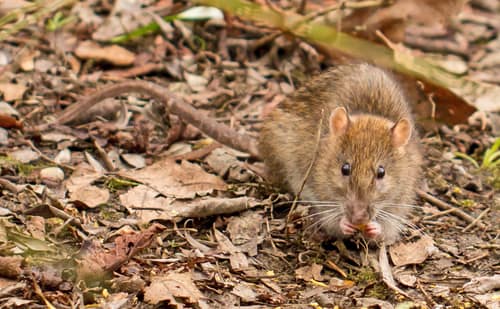
Primary Host (c) Martin Cooper, some rights reserved (CC BY) · cc-by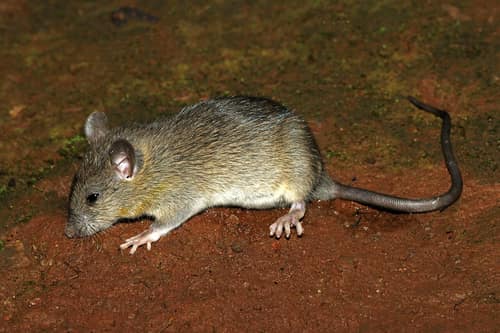
Primary Host Davidvraju / CC0 · cc0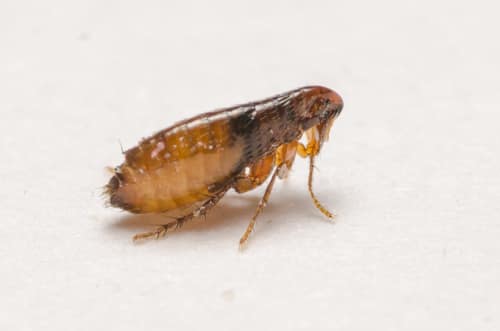
Close Relative (c) Justin Williams, some rights reserved (CC BY), uploaded by Justin Williams · cc-by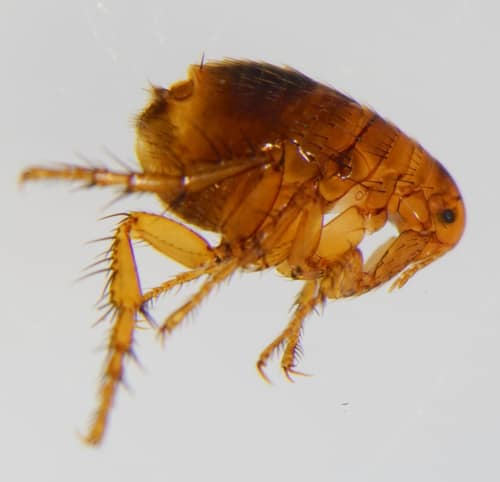
Close Relative (c) carnifex, some rights reserved (CC BY), uploaded by carnifex · cc-by
Help improve the field guideSomething wrong?
Checking your Fauna account…Report a name, category, or profile issue for review.