
Insect · GBIF taxon 1411531
Giant Walkingstick
Megaphasma denticrusAlso known as Giant Stick Insect
As the longest native insect in North America north of Mexico, the giant walkingstick relies on exquisite camouflage to blend seamlessly among twigs and foliage. Adult males bear conspicuous spines along their hind legs, which they use to grapple rival suitors during autumn mating displays. Females casually drop seed-like eggs from the canopy straight onto the forest floor, where the embryos overwinter in leaf litter before emerging as bright green nymphs in spring.
CamouflagedHerbivorousNocturnal
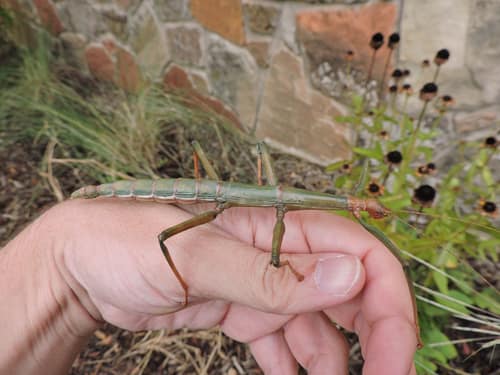
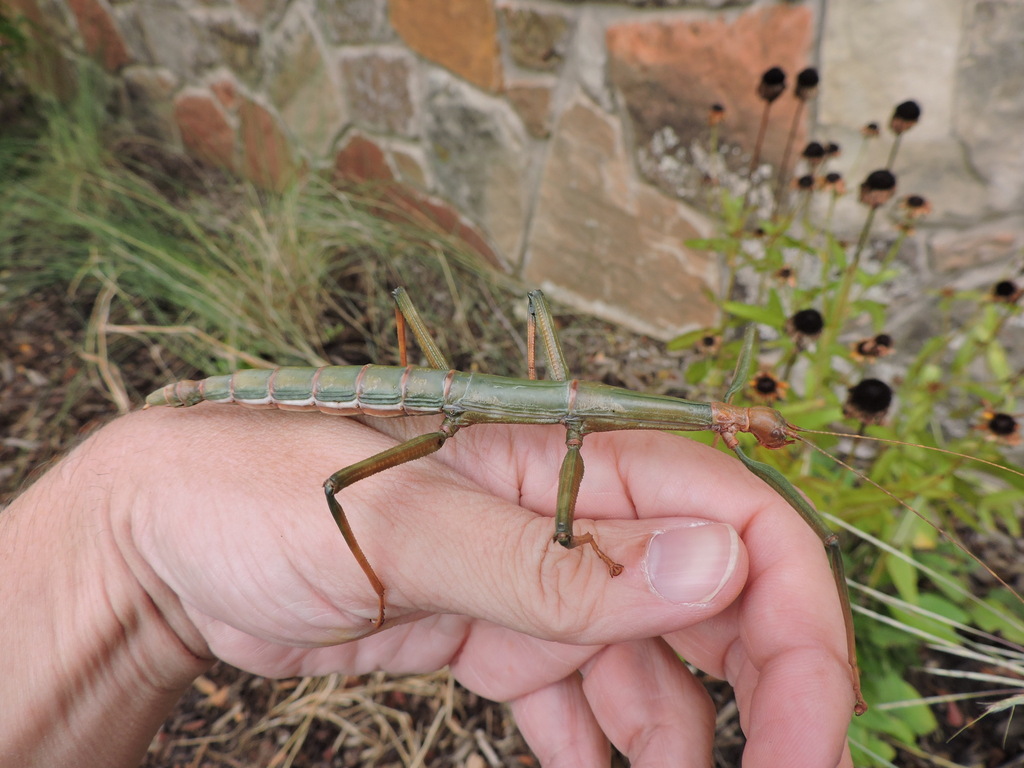 1 / 7
1 / 7—observations
—countries
—peak records
Not EvaluatedConservation statusIUCN Red List categoriesLCNTVUENCREWEXNot Evaluated — not placed on the risk ladderRed List categories, explained →
Diet & prey
- Oak foliage
- Grapevine leaves
- Sweetgum foliage
Predators
- Blue Jay
- White-footed Mouse
- Praying Mantis
ThreatsHabitat fragmentation, broad-spectrum pesticide spraying, and forest clearing
HabitatsDeciduous woodlands, oak savannas, and riverine forests
Life spanUp to 1 year
Size / weightNot available
Classification
- FamilyDiapheromeridae
- SpeciesMegaphasma denticrus
Range data is not available yet.
Interaction riskLow
- Low
- Moderate
- High
- Very high
- Why interaction risk is low
- Safe to observe at a normal distance.
Responsible observation
- Spotting: Scan tree trunks and low oak branches around dusk when individuals begin moving to feed.
- Handling: Avoid gripping their legs, which break off easily to escape pressure and do not regenerate in adults.
- Photography: Use diffused natural light against tree bark to capture the intricate texture of their exoskeleton.
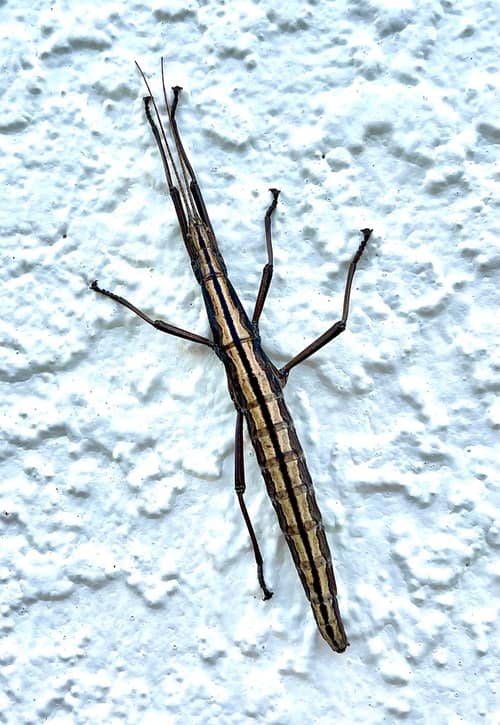
Related Phasmid (c) James Rogers, some rights reserved (CC BY) · cc-by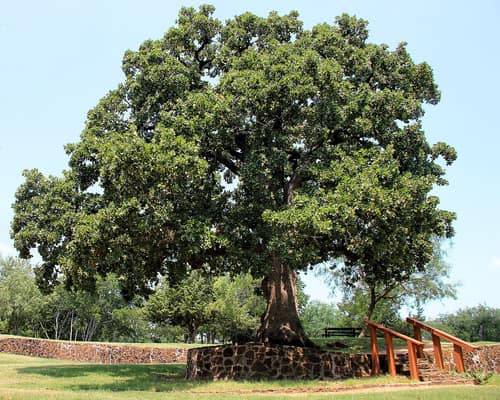
Host Plant Larry D. Moore / CC BY 4.0 · cc-by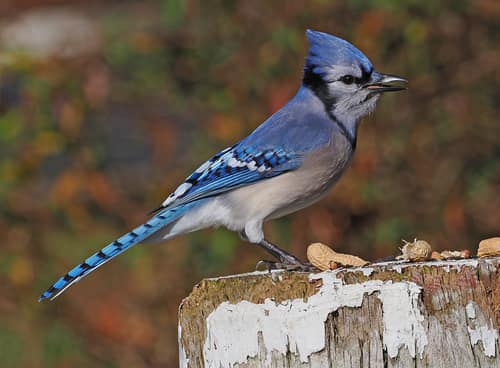
Predator (c) Judy Gallagher, some rights reserved (CC BY) · cc-by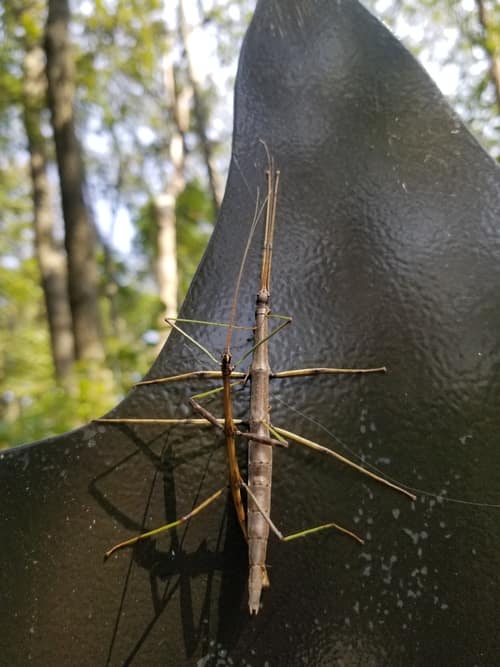
Same Family (c) Jason E. Farabaugh, some rights reserved (CC BY) · cc-by
Help improve the field guideSomething wrong?
Checking your Fauna account…Report a name, category, or profile issue for review.