
Insect
Mediterranean Mantis
Iris oratoriaAlso known as Iris Mantis
Mediterranean mantises possess a striking threat display, flaring vivid circular eye-spots on their hindwings while rearing up to deter potential predators. Females are capable of facultative parthenogenesis, producing viable offspring from unfertilized oothecae when males are scarce. Thriving across dry, sun-drenched landscapes, they blend seamlessly into low shrubs and herbs while waiting to ambush passing insects.
DiurnalPredatoryInvertebrate
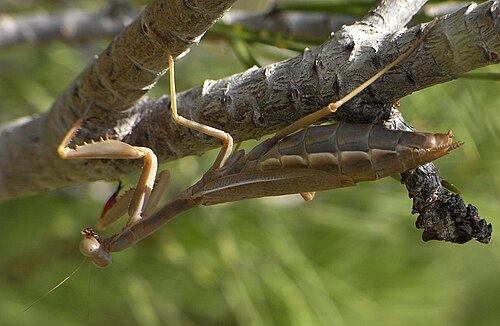
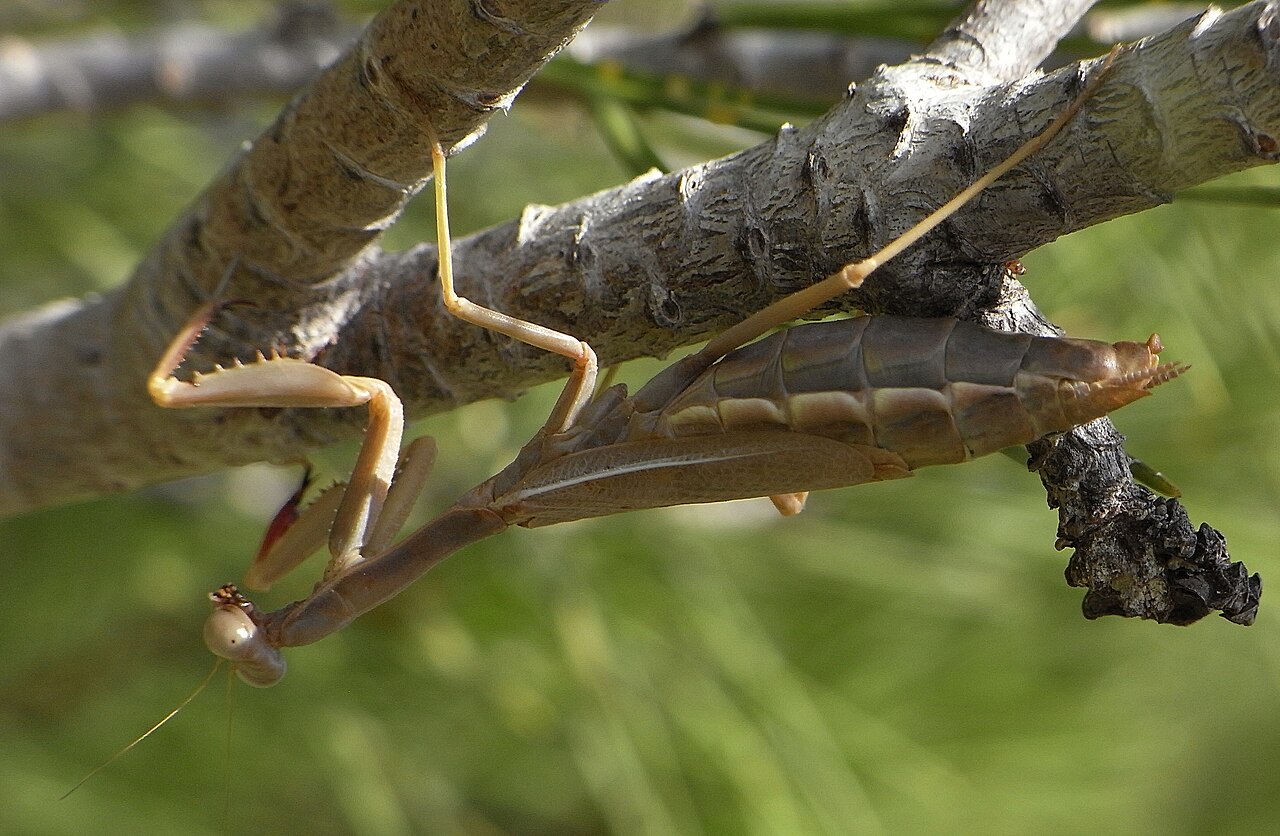
—observations
—countries
—peak records
Least ConcernConservation statusIUCN Red List categoriesLCNTVUENCREWEXLeast ConcernRed List categories, explained →
Diet & preyGrasshoppers, Flies, Moths
Predators
- Insectivorous birds
- Lizards
- Spiders
ThreatsBroad-spectrum pesticide application and urban development
HabitatsArid scrublands, chaparral, Mediterranean macchia, dry grasslands, and gardens
Life span8–12 months
Classification
- OrderMantodea
- FamilyEremiaphilidae
- GenusIris
- SpeciesIris oratoria
Range data is not available yet.
Interaction riskLow
- Low
- Moderate
- High
- Very high
- Why interaction risk is low
- Safe to observe at a normal distance.
Responsible observation
- Spotting Perches: Look along sunlit tips of dry brush, rosemary bushes, or fence posts during warm afternoons.
- Gentle Observation: Approach slowly from the side, as sudden overhead shadows trigger their defensive wing-flaring posture.
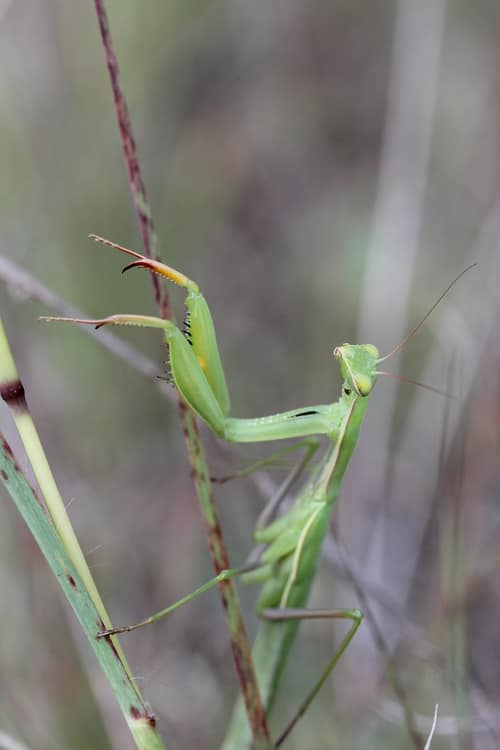
Competitor "European Mantis - Mantis religiosa" by Björn S... is licensed under CC BY-SA 2.0. To view a copy of this license, visit https://creativecommons.org/licenses/by-sa/2.0/. · cc-by-sa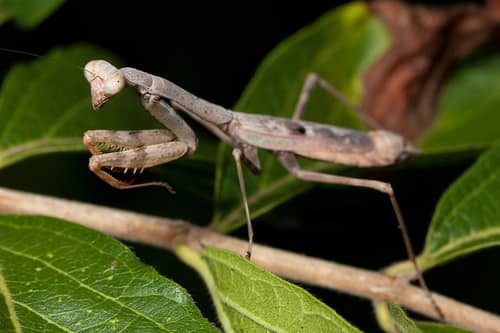
Competitor Kaldari / Public domain · cc0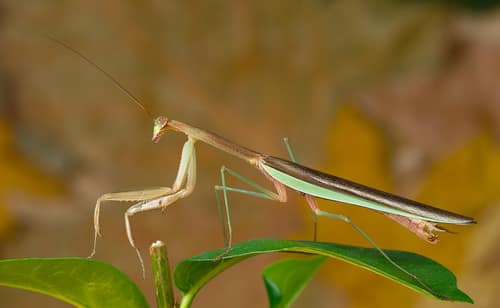
Predator Luc Viatour / CC BY-SA 3.0 · cc-by-sa
Keep collecting in Fauna
Found in Collections
Species set Pro
Emerald Kingdom
Mediterranean Mantis is found in this collection. Identify it in Fauna to fill this slot and continue your progress.
Unlock to track progress
Help improve the field guideSomething wrong?
Checking your Fauna account…Report a name, category, or profile issue for review.