
Insect
Carolina Mantis
Stagmomantis carolinaAlso known as North American Mantis, Carolina Praying Mantis
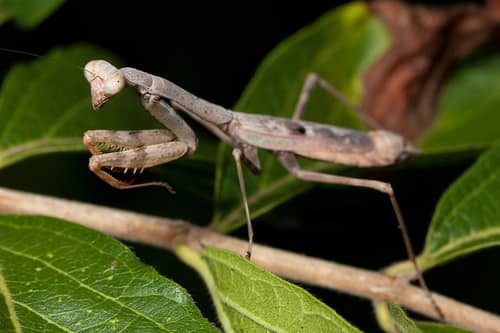
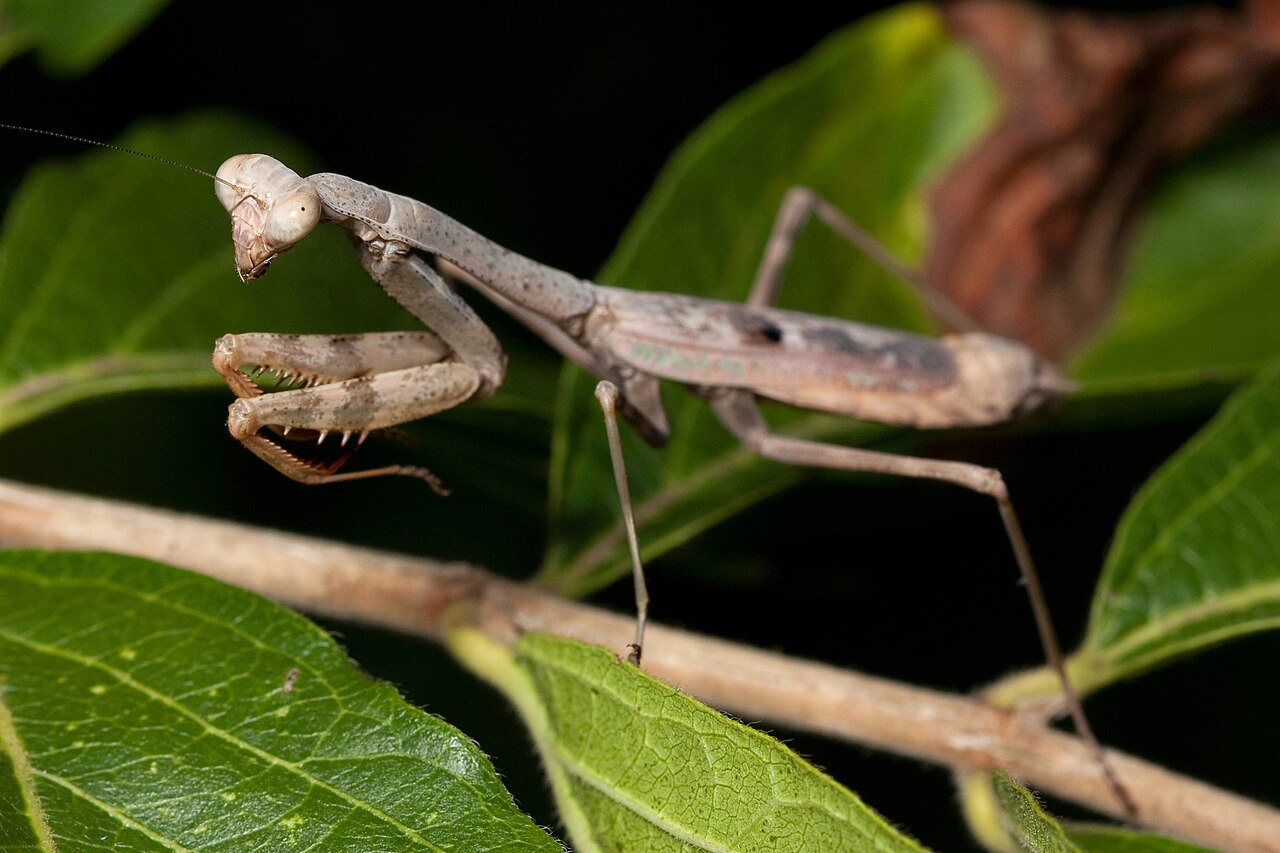
Carolina mantises are master ambush predators, capable of adjusting their coloration from leafy green to mottled brown after molting to blend seamlessly into their surroundings. They spend their days perched motionless on foliage, waiting for unsuspecting insects to pass within striking distance of their spiky front legs. In autumn, females deposit papery egg cases known as oothecae on branches, insulating the next generation against winter freezing.
Ambush PredatorCamouflagedGarden Helper
—observations
—countries
—peak records
Not EvaluatedConservation statusIUCN Red List categoriesLCNTVUENCREWEXNot Evaluated — not placed on the risk ladderRed List categories, explained →
Diet & preyFlies, Crickets, Caterpillars
Predators
- Insectivorous birds
- Bats
- Large spiders
ThreatsPesticide spraying, habitat fragmentation, competition from non-native mantises
HabitatsGardens, meadows, brushy field edges, open woodlands
Life spanUp to 1 year
Classification
- OrderMantodea
- FamilyMantidae
- GenusStagmomantis
- SpeciesStagmomantis carolina
Range data is not available yet.
Interaction riskLow
- Low
- Moderate
- High
- Very high
- Why interaction risk is low
- Capable of a mild pinch with raptorial front legs if pinched; safe to observe.
Responsible observation
- Garden presence: Protect these beneficial insects near flowers where they hunt pest bugs.
- Spotting oothecae: Look for hardened, tan egg cases on twigs and fence posts in winter.
- Handling care: Let them walk onto an open palm rather than squeezing or grabbing them.
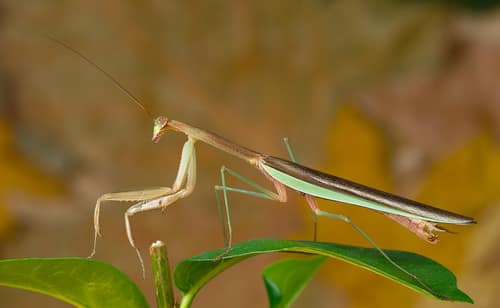
Invasive Competitor Luc Viatour / CC BY-SA 3.0 · cc-by-sa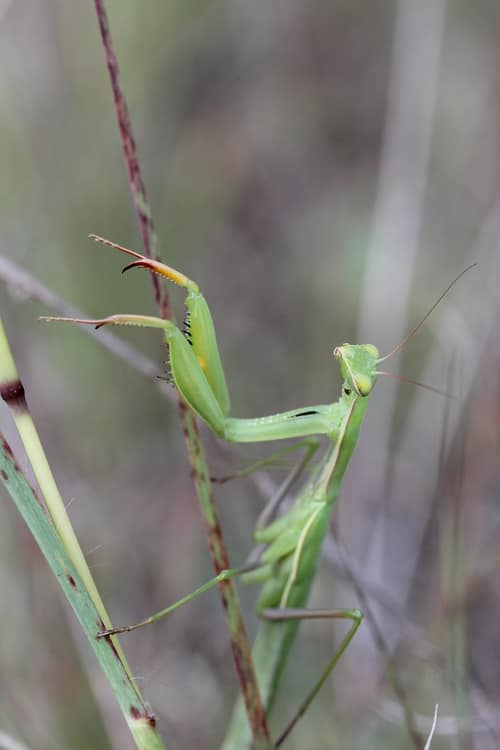
Introduced Relative "European Mantis - Mantis religiosa" by Björn S... is licensed under CC BY-SA 2.0. To view a copy of this license, visit https://creativecommons.org/licenses/by-sa/2.0/. · cc-by-sa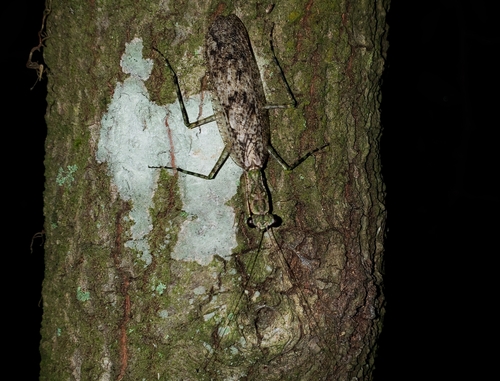
Close Relative (c) aispinsects, some rights reserved (CC BY) · cc-by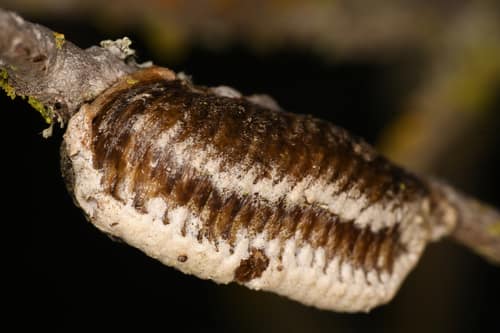
Genus Relative (c) Hawk T., some rights reserved (CC BY), uploaded by Hawk T. · cc-by
Keep collecting in Fauna
Found in Collections
Species set Pro
Emerald Kingdom
Carolina Mantis is found in this collection. Identify it in Fauna to fill this slot and continue your progress.
Unlock to track progress
Help improve the field guideSomething wrong?
Checking your Fauna account…Report a name, category, or profile issue for review.