
Insect
Texas Nocturnal Sweat Bee
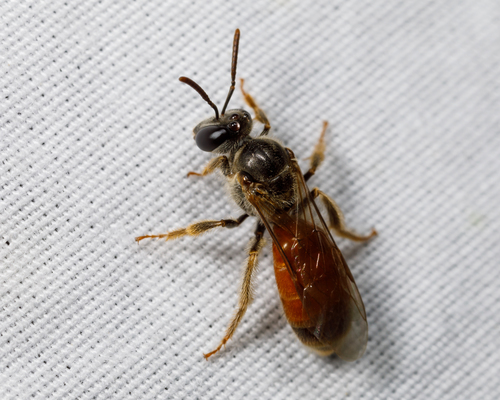
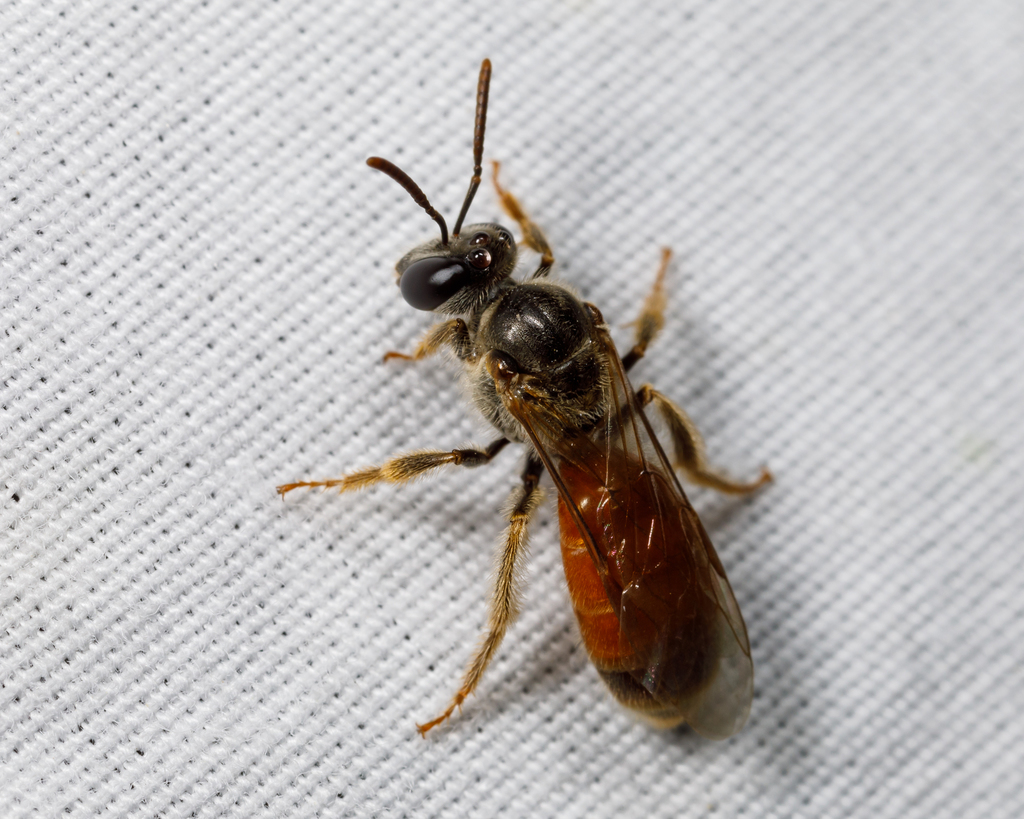
Lasioglossum texanumAdapted to twilight and moonlight, this specialized solitary bee emerges after sunset to visit newly opened evening-primrose blossoms. Females possess enlarged ocelli that enhance night vision, allowing them to navigate and gather pollen in dim conditions until late into the evening. They dig secluded underground burrows in sandy soils where they provision brood cells exclusively with evening-primrose pollen.
NocturnalSolitary BeePollinator
—observations
—countries
—peak records
Not EvaluatedConservation statusIUCN Red List categoriesLCNTVUENCREWEXNot Evaluated — not placed on the risk ladderRed List categories, explained →
Diet & preyNectar and pollen from evening-primrose (Oenothera species)
Predators
- Crab spider
- Robber fly
- Insectivorous bat
ThreatsHabitat loss, widespread pesticide use, and light pollution disrupting foraging
HabitatsSandy prairies, open woodlands, scrublands, and disturbed sandy soils
Life spanSeveral weeks as an active adult; approximately 1 year total cycle
Classification
- FamilyHalictidae
- SpeciesLasioglossum texanum
Range data is not available yet.
Interaction riskLow
- Low
- Moderate
- High
- Very high
- Why interaction risk is low
- Females can deliver a mild sting if pinched; observe closely without touching.
- Why it is dangerous
- Stings contain melittin and peptides that trigger localized swelling or rare allergic reactions.
- How to recognize a risky encounter
- Recognized by its small size, dark body, and habit of visiting evening primrose after sunset.
- What to do
- Watch peacefully from a few inches away without brushing or swatting at foraging bees.
Responsible observation
- Timing: Search evening-primrose patches between dusk and 10:00 PM on moonlit nights.
- Lighting: Use a red-filtered flashlight to observe foraging without disorienting the bee.
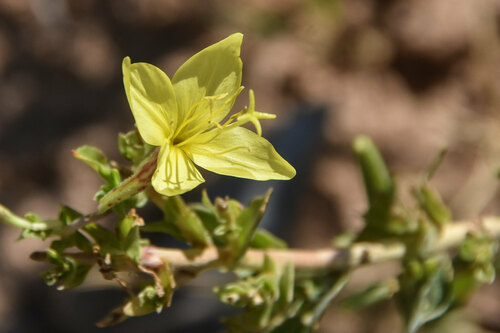
Host Plant (c) Jay Pruett, some rights reserved (CC BY) · cc-by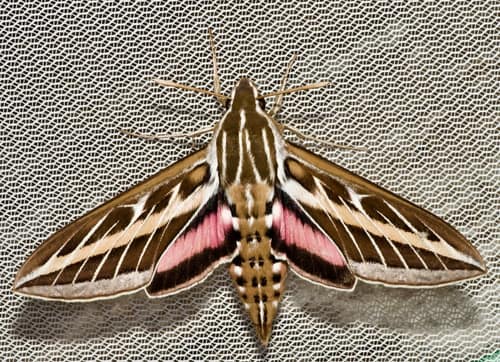
Competitor (c) Michelle W. (鍾偉瑋), some rights reserved (CC BY), uploaded by Michelle W. (鍾偉瑋) · cc-by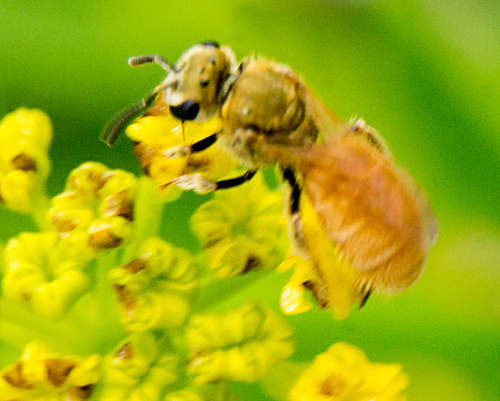
Close Relative (c) psweet, some rights reserved (CC BY-SA), uploaded by psweet · cc-by-sa
Help improve the field guideSomething wrong?
Checking your Fauna account…Report a name, category, or profile issue for review.