
Insect · GBIF taxon 1340516
Tricolored Bumble Bee
Bombus ternariusAlso known as Orange-belted Bumble Bee, Orange-belted Bumblebee, Tricolored Bumblebee
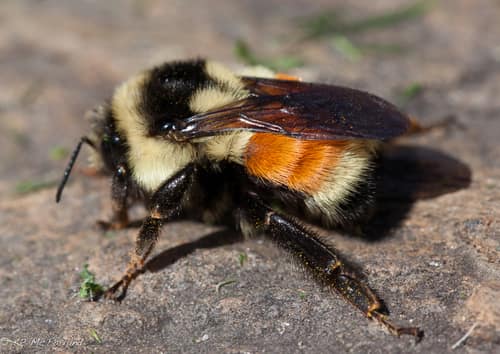
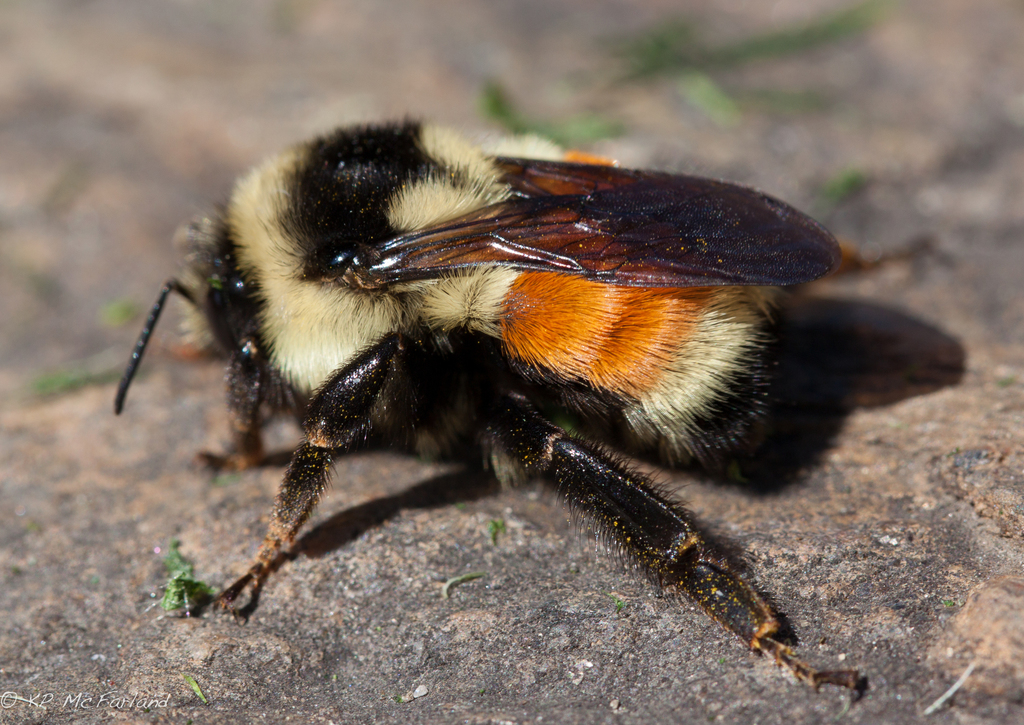
Tricolored bumble bees are striking social pollinators easily recognized by the broad orange band wrapped across their black-and-yellow abdomen. Fertilized queens emerge from winter torpor in early spring to establish subterranean nests inside abandoned rodent burrows or thick grassy tussocks. Throughout summer, specialized worker sisters forage endlessly across forest edges and fields, transferring pollen between native wildflowers and valuable berry crops.
PollinatorSocial InsectNative
—observations
—countries
—peak records
Least ConcernConservation statusIUCN Red List categoriesLCNTVUENCREWEXLeast ConcernRed List categories, explained →
Diet & prey
- Nectar
- Pollen
Predators
- Crab spiders
- Insectivorous birds
- Skunks
ThreatsPesticide exposure, habitat loss, climate change, and pathogen spillover
HabitatsFields, meadows, wetlands, forest edges, and gardens
Life spanWorkers 1–2 months; queens up to 1 year
Size / weightNot available
Classification
- OrderHymenoptera
- FamilyApidae
- GenusBombus
- SpeciesBombus ternarius
Range data is not available yet.
Interaction riskLow
- Low
- Moderate
- High
- Very high
- Why interaction risk is low
- Defends nests defensively by stinging; keep distance from active underground colonies.
- Why it is dangerous
- Injected venom from defensive stings causes painful local swelling and can trigger severe allergic reactions.
- How to recognize a risky encounter
- Look for a bright orange band across the middle abdominal segments sandwiched between yellow and black bands.
- What to do
- Maintain distance from active ground nests and back away slowly if a bee buzzes defensively around you.
Responsible observation
- Observe Quietly: Watch foraging individuals on blossoms without obstructing their direct flight path.
- Give Nests Space: Keep clear of underground tunnel entrances to avoid triggering defensive responses.
- Plant Native Flora: Cultivate patches of milkweed, blueberry, and goldenrod to provide continuous nectar.
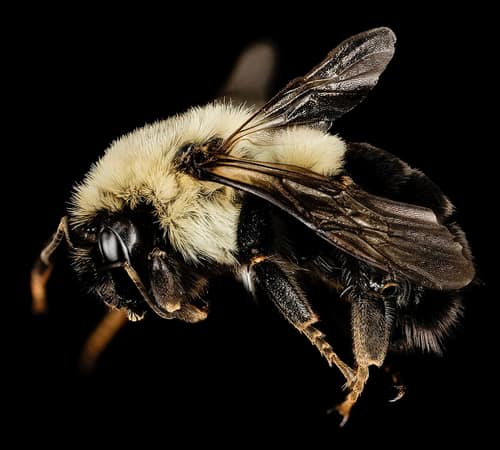
Regional Competitor USGS Bee Inventory and Monitoring Lab from Beltsville, Maryland, USA / Public domain · cc0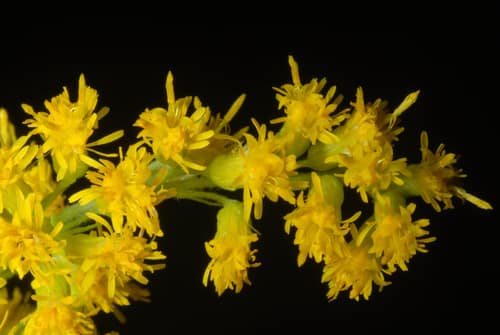
Host Plant (c) Douglas Goldman, some rights reserved (CC BY-SA), uploaded by Douglas Goldman · cc-by-sa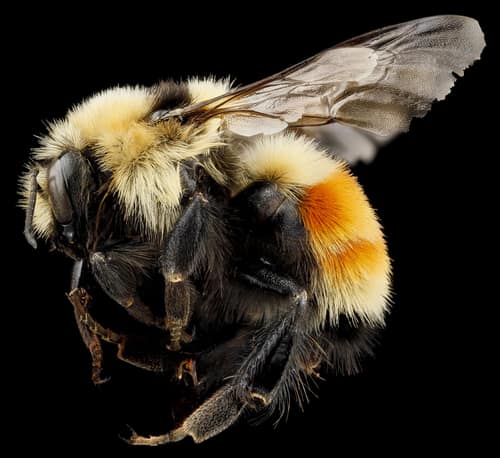
Close Relative no rights reserved, uploaded by USGS Bee Inventory and Monitoring Lab · cc0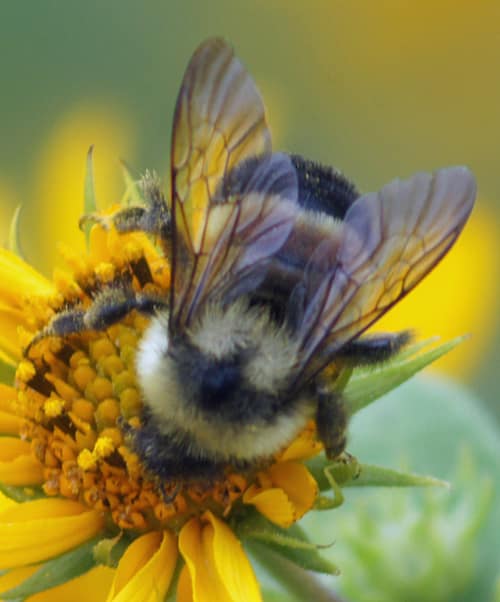
Co-occurring Relative (c) psweet, some rights reserved (CC BY-SA), uploaded by psweet · cc-by-sa
Help improve the field guideSomething wrong?
Checking your Fauna account…Report a name, category, or profile issue for review.