
Insect · GBIF taxon 1340472
Half-black Bumble Bee
Bombus vagansAlso known as Vagans Bumble Bee
Half-black bumble bees are key native pollinators across eastern North America, emerging early each spring to forage on wild forest blooms and agricultural crops. Queens nest in abandoned rodent burrows or dense leaf litter, establishing small colonies that remain active until late autumn. They are easily recognized by yellow fur on the thorax and front abdominal segments, which transitions sharply to a sleek black tail.
PollinatorSocial InsectNative Bee
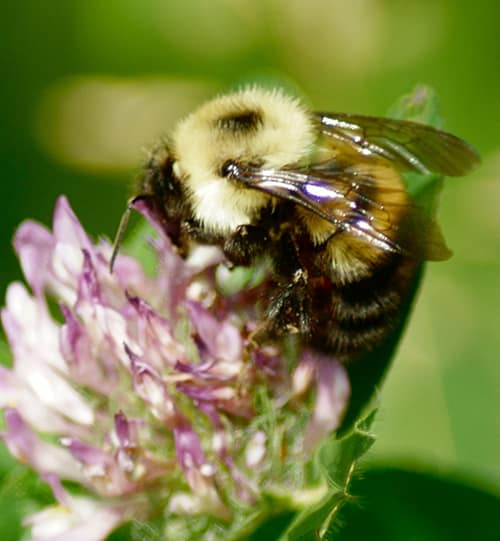
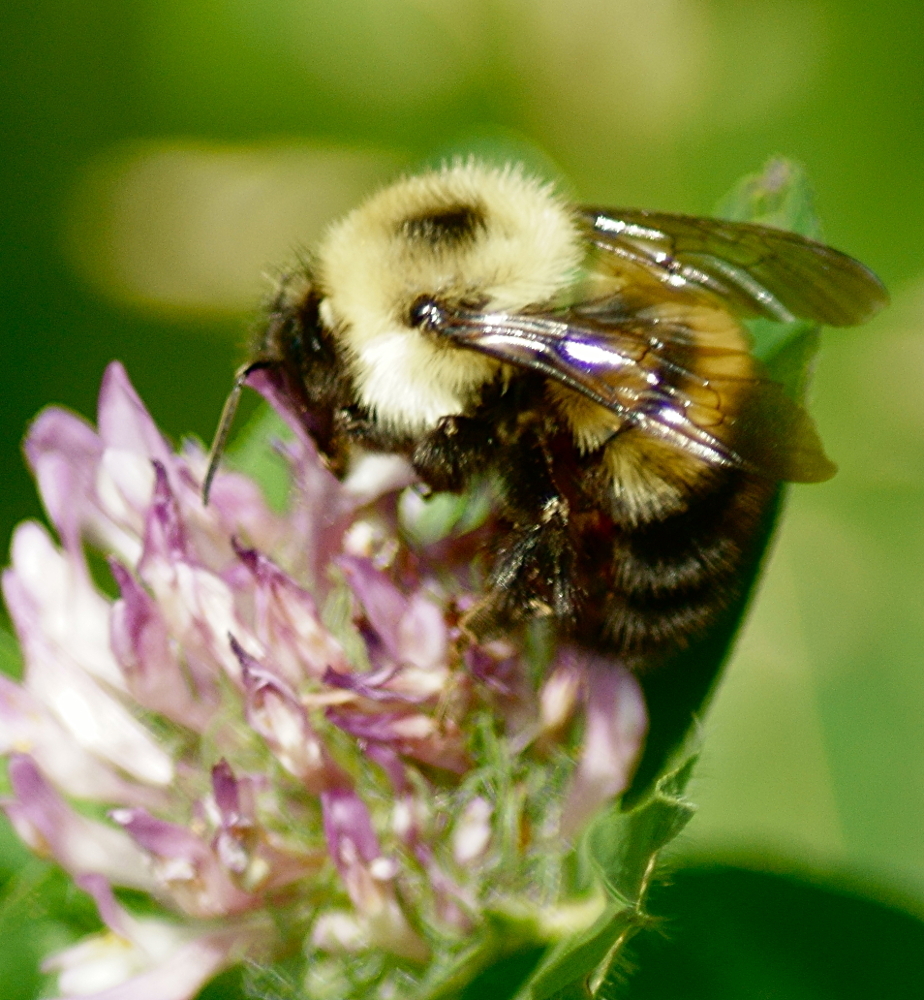
—observations
—countries
—peak records
Least ConcernConservation statusIUCN Red List categoriesLCNTVUENCREWEXLeast ConcernRed List categories, explained →
Diet & prey
- Floral nectar
- Pollen
Predators
- Crab spiders
- Insectivorous birds
- Robber flies
ThreatsHabitat loss, pesticide exposure, climate change, and pathogens
HabitatsDeciduous forests, meadows, open fields, parks, and gardens
Life spanWorkers live 2–6 weeks; queens live up to 1 year
Size / weightNot available
Classification
- OrderHymenoptera
- FamilyApidae
- GenusBombus
- SpeciesBombus vagans
Range data is not available yet.
Interaction riskVery high
- Low
- Moderate
- High
- Very high
- Why interaction risk is very high
- Females can sting defensively if pressed or if their nest is disturbed; observe quietly from a short distance.
- Why it is dangerous
- Stings inject venom containing melittin, which causes localized pain and can trigger severe allergic reactions in sensitized individuals.
- How to recognize a risky encounter
- Look for yellow fur on the upper abdomen combined with an entirely black tail end.
- What to do
- Avoid swatting at approaching bees and step back if near a active nest entrance.
Responsible observation
- Observation: Watch foraging individuals on flowers without blocking their movement or flight paths.
- Garden Support: Plant early-blooming native perennials like clover and beardtongue to feed emerging queens.
- Nest Precautions: Keep a clear distance from ground nests in leaf litter or rodent holes to avoid defense stings.
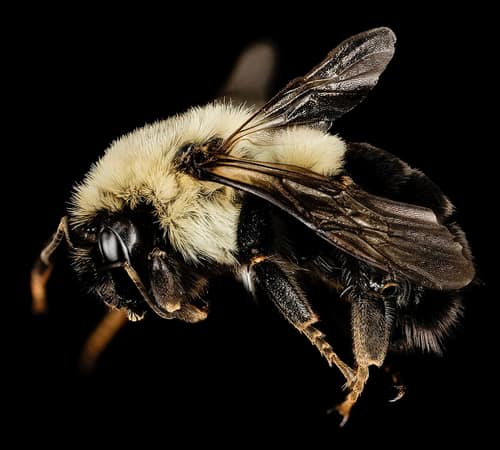
Competitor USGS Bee Inventory and Monitoring Lab from Beltsville, Maryland, USA / Public domain · cc0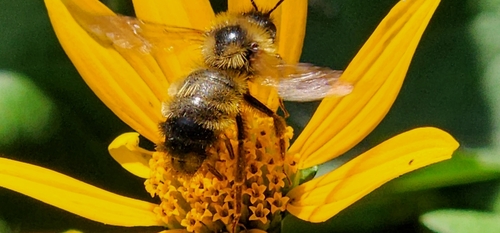
Parasite (c) Steven J. Røste, some rights reserved (CC BY) · cc-by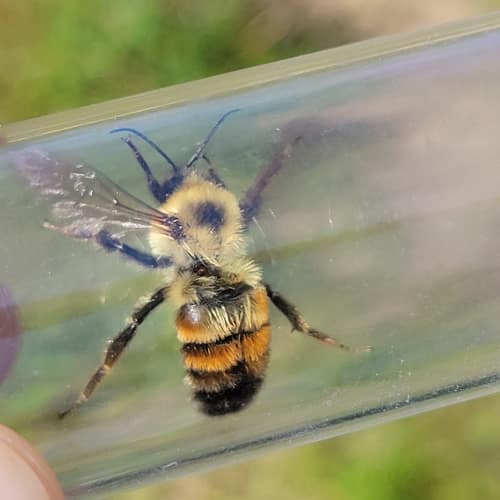
Close Relative (c) Matt Pelikan, some rights reserved (CC BY), uploaded by Matt Pelikan · cc-by
Help improve the field guideSomething wrong?
Checking your Fauna account…Report a name, category, or profile issue for review.