
Insect · GBIF taxon 1340382
Two-spotted Bumble Bee
Bombus bimaculatusAlso known as Two-Spotted Bumblebee
Two-spotted bumble bees are early spring pioneers, among the first native bees to emerge and forage across eastern North American woodlands, gardens, and meadows. Queen bees establish below-ground nests in abandoned rodent burrows or under tussocks of grass, raising workers that quickly take over foraging duties. They are robust generalist pollinators, efficiently buzz-pollinating a wide array of early-blooming wildflowers and agricultural crops.
PollinatorSocial InsectEarly Emerging
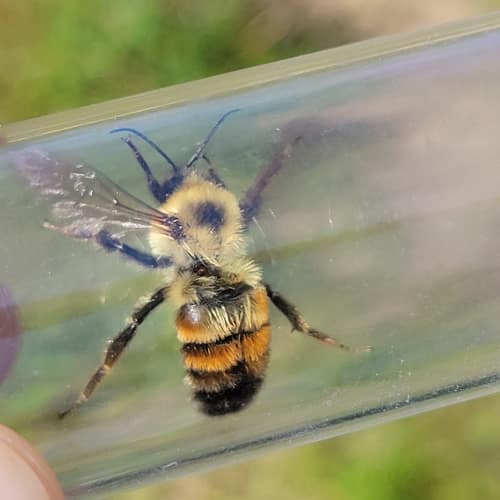
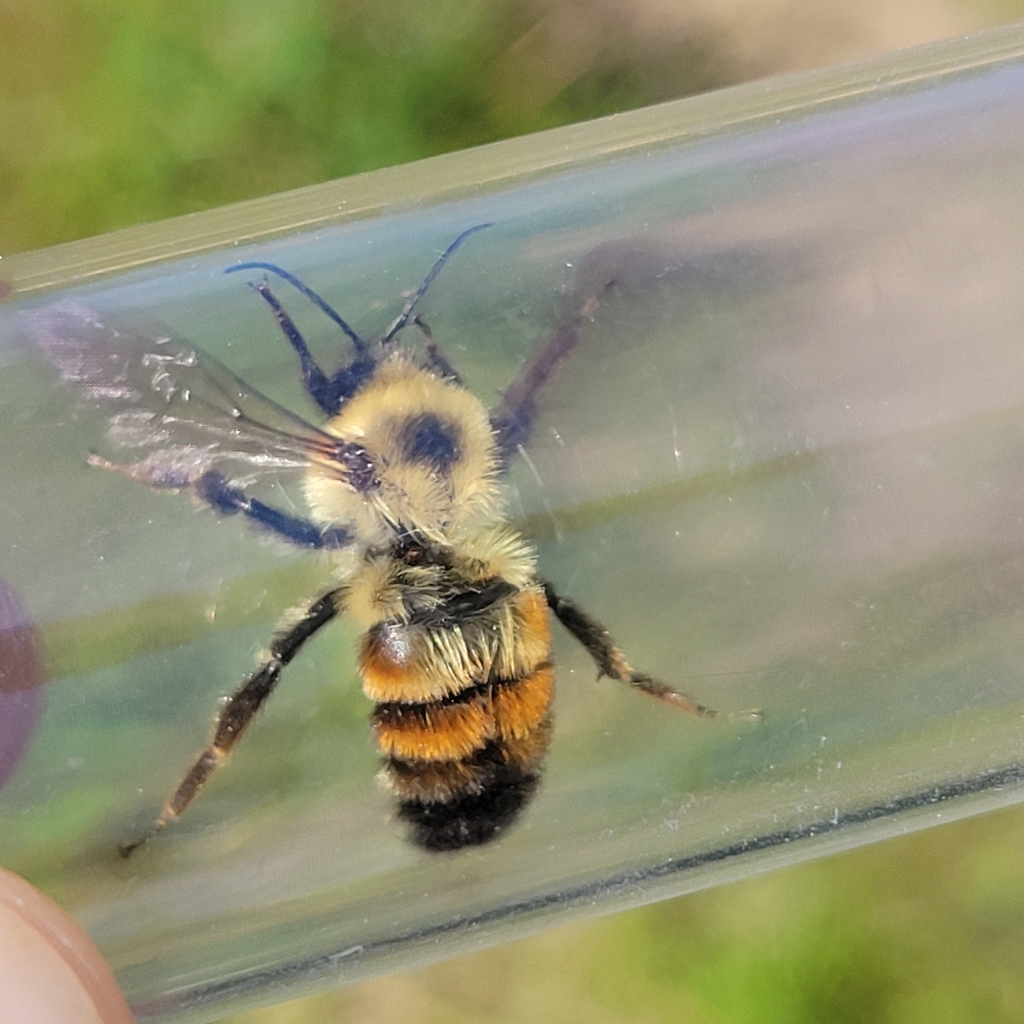 1 / 7
1 / 7—observations
—countries
—peak records
Least ConcernConservation statusIUCN Red List categoriesLCNTVUENCREWEXLeast ConcernRed List categories, explained →
Diet & prey
- Flower nectar
- Pollen
Predators
- Crab spiders
- Birds
- Robber flies
ThreatsPesticide exposure, habitat fragmentation, and pathogens from managed bees
HabitatsTemperate forests, woodland edges, meadows, parks, and suburban gardens
Life spanQueens live up to 1 year; workers live 2 to 6 weeks
Size / weightNot available
Classification
- FamilyApidae
- SpeciesBombus bimaculatus
Range data is not available yet.
Interaction riskVery high
- Low
- Moderate
- High
- Very high
- Why interaction risk is very high
- Females sting defensively if nests are disturbed; observe from a safe distance.
- Why it is dangerous
- Stings inject venom containing peptides and enzymes that cause localized pain and potential severe anaphylaxis in sensitive individuals.
- How to recognize a risky encounter
- Recognized by a black abdomen featuring two distinct yellow patches on the second abdominal segment.
- What to do
- Give active nests a wide berth and avoid sudden movements when observing foraging workers.
Responsible observation
- Spring Spotting: Look for large queens foraging on early blossoms like willow and spring ephemerals.
- Garden Support: Plant native early-season bloomers such as penstemon, lupine, and blueberries.
- Nest Respect: Give ground nests a wide berth to avoid triggering defensive behavior.
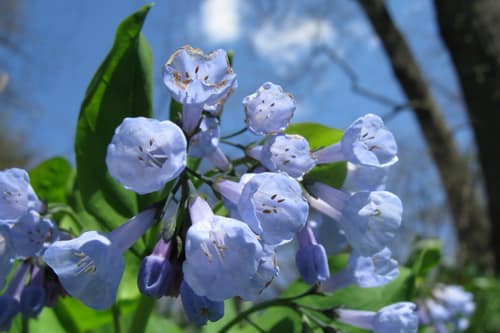
Host Plant (c) Bob Gutowski, some rights reserved (CC BY) · cc-by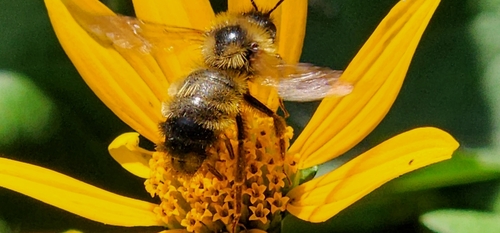
Parasite (c) Steven J. Røste, some rights reserved (CC BY) · cc-by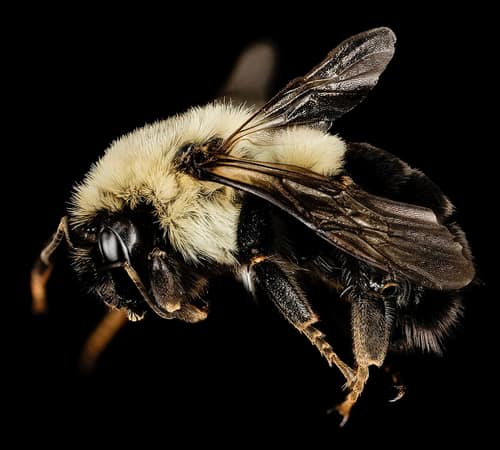
Close Relative USGS Bee Inventory and Monitoring Lab from Beltsville, Maryland, USA / Public domain · cc0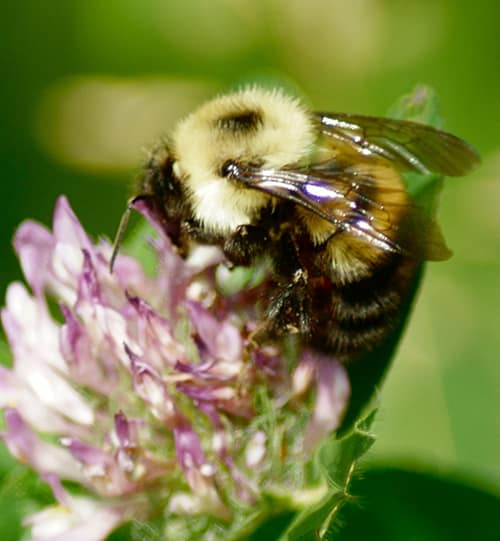
Close Relative (c) psweet, some rights reserved (CC BY-SA), uploaded by psweet · cc-by-sa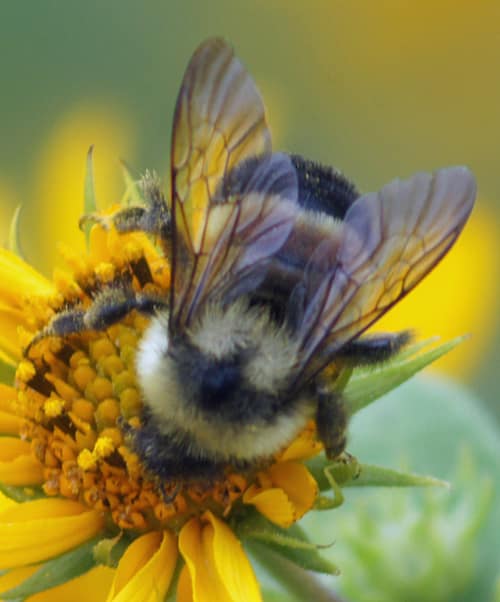
Close Relative (c) psweet, some rights reserved (CC BY-SA), uploaded by psweet · cc-by-sa
Help improve the field guideSomething wrong?
Checking your Fauna account…Report a name, category, or profile issue for review.