
Insect
Western Harvester Ant
Pogonomyrmex occidentalisAlso known as Western Harvester
Western harvester ants construct conspicuous gravel mounds surrounded by bare, vegetation-free clearings that dominate arid western landscapes. These industrious social insects forage along well-worn trails to gather thousands of native grass and forb seeds, storing them in underground granaries. Workers defend their colonies aggressively, delivering a remarkably intense and painful sting when their mounds are disturbed.
InsectSocial InsectVenomous
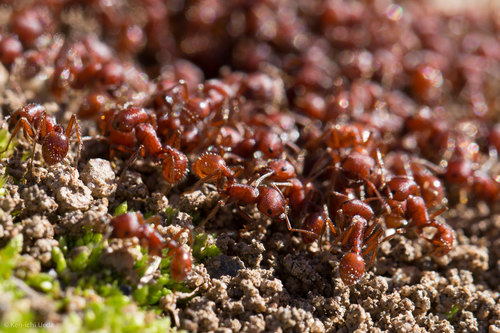
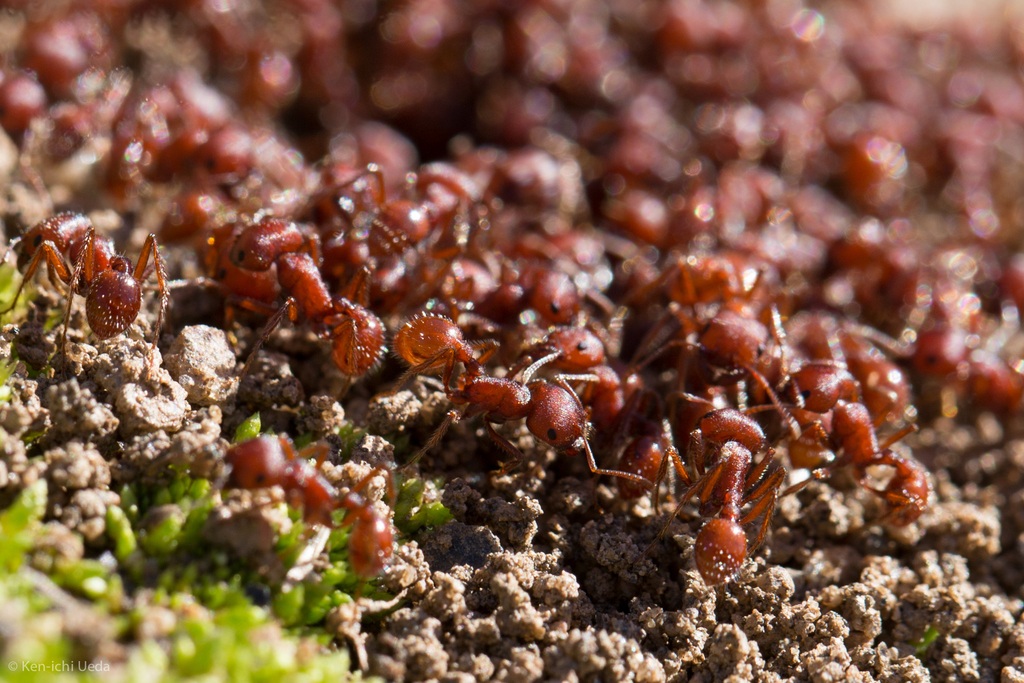
—observations
—countries
—peak records
Not EvaluatedConservation statusIUCN Red List categoriesLCNTVUENCREWEXNot Evaluated — not placed on the risk ladderRed List categories, explained →
Diet & preyGrass Seeds, Forb Seeds, Dead Insects
Predators
- Horned Lizards
- Northern Flickers
- Spiders
ThreatsAgricultural tilling, pesticide application, land development
HabitatsArid grasslands, sagebrush steppes, deserts
Life spanWorkers 1–3 years; Queens up to 15–30 years
Classification
- OrderHymenoptera
- FamilyFormicidae
- GenusPogonomyrmex
- SpeciesPogonomyrmex occidentalis
Range data is not available yet.
Interaction riskVery high
- Low
- Moderate
- High
- Very high
- Why interaction risk is very high
- Delivers a very painful venomous sting when disturbed; maintain a respectful distance from active mounds.
- Why it is dangerous
- Worker ants possess alkaloid-rich venom capable of causing intense, long-lasting pain and localized swelling upon stinging.
- How to recognize a risky encounter
- Look for reddish-brown ants measuring 6 to 8 mm emerging from large gravel mounds surrounded by cleared, plant-free soil.
- What to do
- Do not stand near active mounds or touch foraging trails; if stung, move away immediately and apply ice.
Responsible observation
- Mound Observation: Watch foraging trails leading into the clearing around the mound without stepping directly on the nest.
- Footwear Safety: Wear closed-toe shoes and tuck pants into socks when walking through heavily infested rangelands.
- Nesting Etiquette: Avoid poking or disturbing the gravel mounds to prevent triggering a defensive swarm.
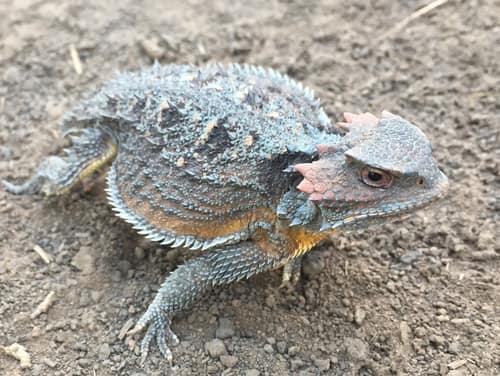
Predator (c) brettaugust, some rights reserved (CC BY) · cc-by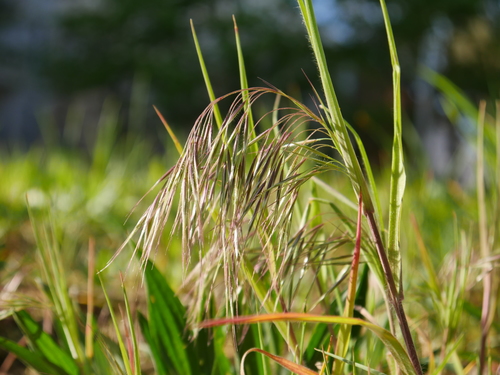
Prey (c) Alexis Tinker-Tsavalas, some rights reserved (CC BY), uploaded by Alexis Tinker-Tsavalas · cc-by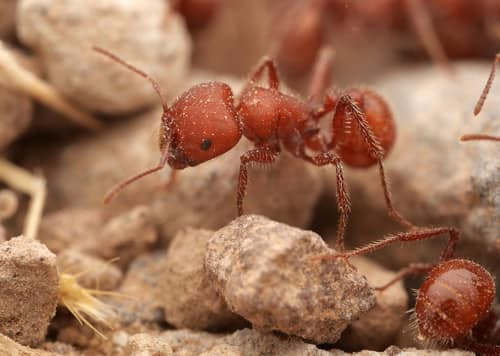
Close Relative no rights reserved, uploaded by Philipp Hoenle · cc0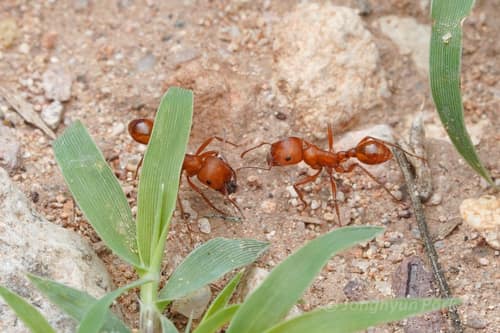
Close Relative (c) Jonghyun Park, some rights reserved (CC BY), uploaded by Jonghyun Park · cc-by
Help improve the field guideSomething wrong?
Checking your Fauna account…Report a name, category, or profile issue for review.