
Insect · GBIF taxon 1310805
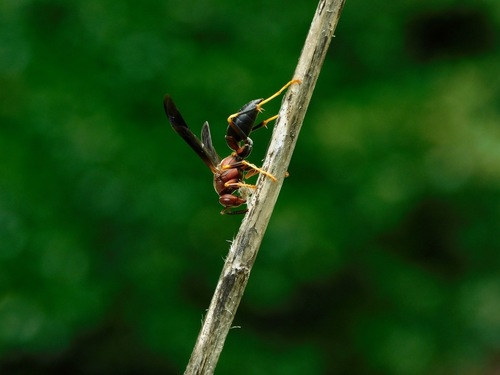
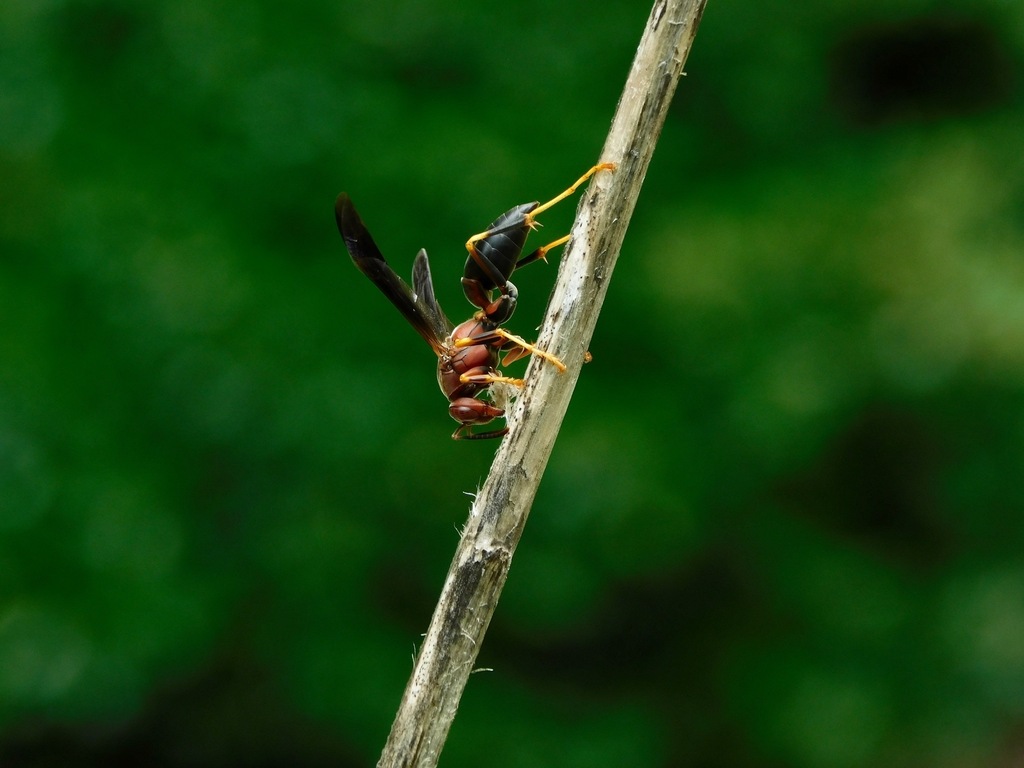
Metric Paper Wasp
Polistes metricusAlso known as Metricus Paper Wasp
Metric paper wasps build open, umbrella-like paper nests under eaves, branches, and sheltered overhangs using chewed wood fibers mixed with saliva. Mated founding queens emerge from winter hibernation each spring to construct nest comb and rear their first brood of sterile female workers. Adults spend their days collecting floral nectar and hunting soft-bodied caterpillars to feed their developing larvae.
VenomousSocial InsectPollinator
 1 / 7
1 / 7—observations
—countries
—peak records
Not EvaluatedConservation statusIUCN Red List categoriesLCNTVUENCREWEXNot Evaluated — not placed on the risk ladderRed List categories, explained →
Diet & prey
- Caterpillars
- Floral Nectar
- Tree Sap
Predators
- Birds
- Spiders
- Praying Mantises
ThreatsPesticide usage, extreme winter cold, and destruction of nest sites.
HabitatsWoodland edges, meadows, orchards, suburban gardens, and sheltered building eaves.
Life spanQueens live up to 1 year; workers live 2–4 months.
Size / weightNot available
Classification
- OrderHymenoptera
- FamilyEumenidae
- GenusPolistes
- SpeciesPolistes metricus
Range data is not available yet.
Interaction riskVery high
- Low
- Moderate
- High
- Very high
- Why interaction risk is very high
- Stings defensively when its nest is disturbed; maintain a safe distance.
- Why it is dangerous
- Venom contains proteins and bioamines that cause sharp localized pain, swelling, and potential anaphylaxis in sensitive individuals.
- How to recognize a risky encounter
- Look for a dark mahogany body with black tibiae and distinctly yellow lower leg tips (tarsi).
- What to do
- Give active nests a wide berth and avoid sudden swatting motions if an adult approaches.
Responsible observation
- Nest Safety: Leave sheltered nests alone unless located directly over high-traffic doorways.
- Calm Demeanor: Stand still or walk away slowly if a wasp hovers near you to investigate.
- Garden Value: Welcome foraging adults as effective natural controls for plant-eating caterpillars.

Competitor (c) Bill Keim, some rights reserved (CC BY) · cc-by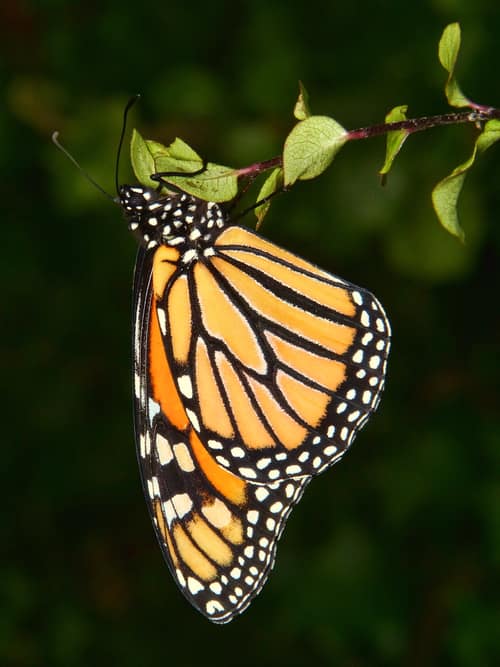
Floral Companion Sid Mosdell from New Zealand / CC BY 2.0 · cc-by
Close Relative no rights reserved · cc0
Close Relative (c) Judy Gallagher, some rights reserved (CC BY-SA), uploaded by Judy Gallagher · cc-by-sa
Help improve the field guideSomething wrong?
Checking your Fauna account…Report a name, category, or profile issue for review.