
Insect · GBIF taxon 5871389
European Paper Wasp
Polistes dominulaAlso known as Dominula Paper Wasp, European Yellowjacket Wasp
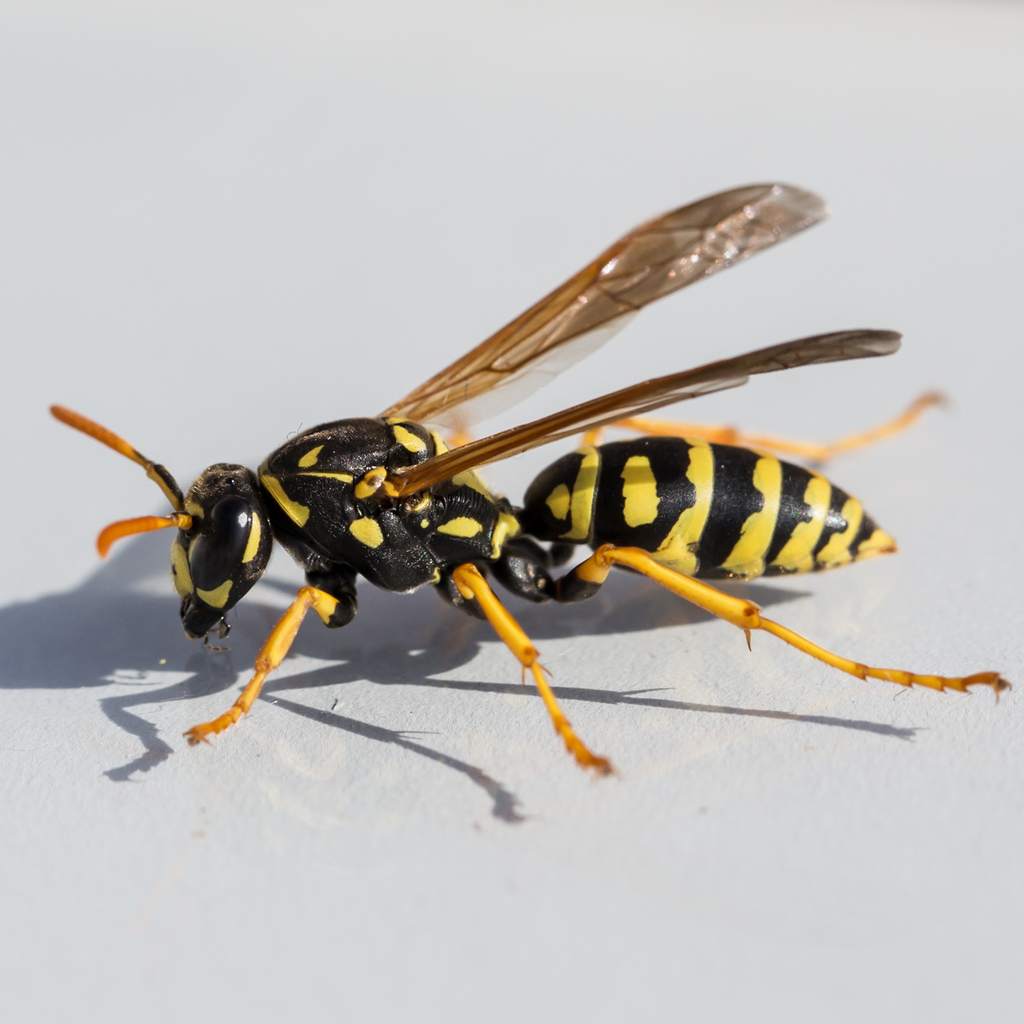
European paper wasps build small, umbrella-shaped open comb nests out of chewed plant fibers mixed with saliva. Unusually social for paper wasps, multiple foundress queens often join forces in spring to establish a nest before competing fiercely for dominant egg-laying rights. Bright yellow antennae and slender bodies make them easy to distinguish from native paper wasps as they hunt caterpillars and flies across gardens and open fields.
Social InsectPredatoryInvasive

—observations
—countries
—peak records
Not EvaluatedConservation statusIUCN Red List categoriesLCNTVUENCREWEXNot Evaluated — not placed on the risk ladderRed List categories, explained →
Diet & prey
- Caterpillars
- Flies
- Nectar
Predators
- Birds
- Praying Mantises
- Spiders
ThreatsHighly adaptable with few major population threats; targeted by pest management
HabitatsUrban landscapes, sheltered building eaves, gardens, meadows, and shrublands
Life spanWorkers live 3–6 weeks; mated queens live up to 1 year
Size / weightNot available
Classification
- OrderHymenoptera
- FamilyEumenidae
- GenusPolistes
- SpeciesPolistes dominula
Range data is not available yet.
Interaction riskVery high
- Low
- Moderate
- High
- Very high
- Why interaction risk is very high
- Females deliver a painful venomous sting when defending the nest; maintain a respectful distance.
- Why it is dangerous
- Stings inject venom containing digestive enzymes and peptides that cause sharp pain and trigger severe allergic reactions in sensitized individuals.
- How to recognize a risky encounter
- Look for bright orange-yellow antennae, slender black-and-yellow patterned bodies, and long legs dangling during flight.
- What to do
- Give active nests under structure overhangs wide clearance, and avoid swatting at wasps drinking nectar or hunting.
Responsible observation
- Nest Buffer: Keep a distance of at least two meters from open comb nests attached to building eaves.
- Antennae Spotting: Look for distinct orange-yellow antennae to confirm identification without getting too close.
- Garden Presence: Leave foraging wasps alone while they hunt, as they provide natural pest management.

Competitor no rights reserved · cc0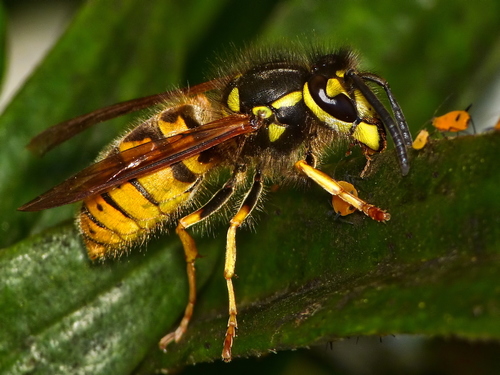
Similar Stinger (c) Sid Mosdell, some rights reserved (CC BY) · cc-by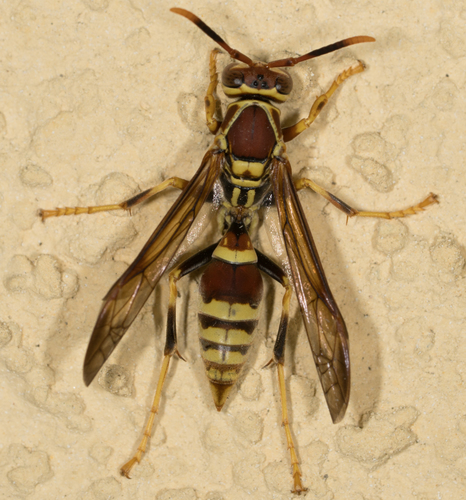
Close Relative no rights reserved, uploaded by Jesse Rorabaugh · cc0
Help improve the field guideSomething wrong?
Checking your Fauna account…Report a name, category, or profile issue for review.