
Insect
Hornworm Parasitoid Wasp
Cotesia congregataAlso known as Tobacco Hornworm Parasitoid, Hornworm Wasp
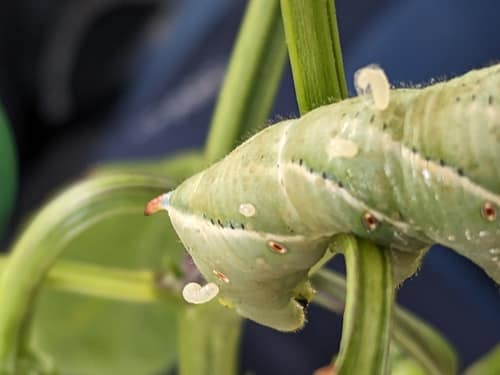
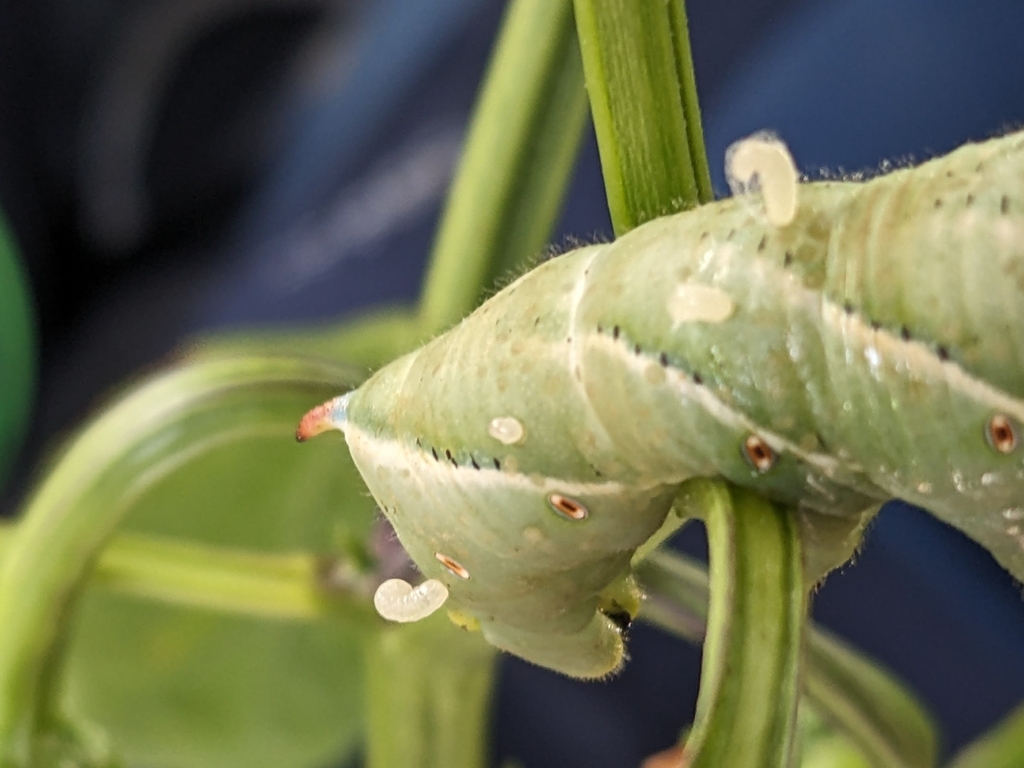
Females inject dozens of eggs alongside symbiotic polydnaviruses directly into living caterpillars, suppressing the host's immune defense while the larvae develop inside. Mature wasp larvae chew their way out through the caterpillar's cuticle in unison, spinning dense white silk cocoons standing upright across the host's body. The paralyzed host often survives long enough to fiercely guard the cocoons against predators, starving to death as adult wasps emerge.
ParasitoidBeneficial InsectBiological Control
—observations
—countries
—peak records
Not EvaluatedConservation statusIUCN Red List categoriesLCNTVUENCREWEXNot Evaluated — not placed on the risk ladderRed List categories, explained →
Diet & preyTobacco Hornworm, Tomato Hornworm, Sphinx Moth Larva
Predators
- Hyperparasitoid Wasp
- Jumping Spider
- Assassin Bug
ThreatsBroad-spectrum insecticides, habitat loss, and hyperparasitoid wasps
HabitatsVegetable gardens, agricultural fields, open meadows, and forest edges
Life span2–4 weeks from egg to adult; adults live 1–2 weeks
Classification
- FamilyBraconidae
- SpeciesCotesia congregata
Range data is not available yet.
Interaction riskLow
- Low
- Moderate
- High
- Very high
- Why interaction risk is low
- Safe to observe at a normal distance; incapable of stinging humans.
Responsible observation
- Garden Preservation: Leave parasitized hornworms intact on plants so emerging wasps can control future pests.
- Visual Spotting: Look for clusters of upright, white, rice-sized silk cocoons attached to hornworm skin.
- Chemical Caution: Avoid broad-spectrum foliar insecticides that eliminate beneficial parasitoids.
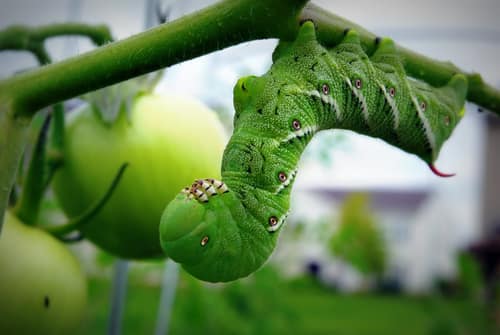
Primary Host "Tobacco Hornworm Caterpillar" by cbede is licensed under CC BY 2.0. To view a copy of this license, visit https://creativecommons.org/licenses/by/2.0/. · cc-by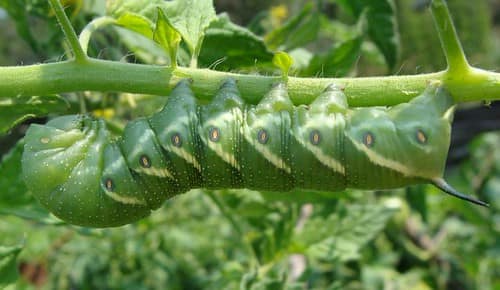
Host "Tomato Hornworm" by Hillbraith is marked with Public Domain Mark 1.0. To view the terms, visit https://creativecommons.org/publicdomain/mark/1.0/. · cc0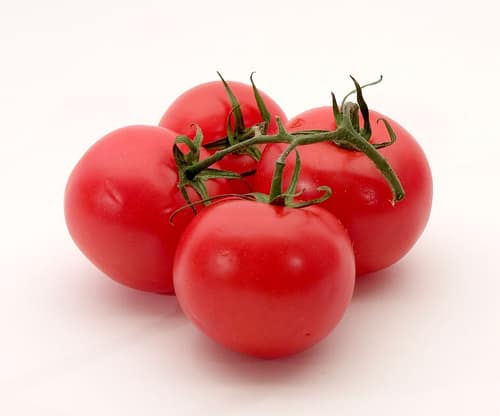
Host Plant Softeis / CC BY-SA 3.0 · cc-by-sa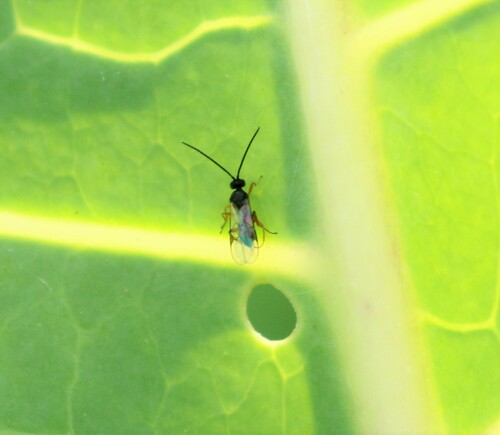
Close Relative (c) Barry Cottam, some rights reserved (CC BY), uploaded by Barry Cottam · cc-by
Help improve the field guideSomething wrong?
Checking your Fauna account…Report a name, category, or profile issue for review.