
Insect
Smokies Synchronous Firefly
Photinus carolinusAlso known as Synchronous Firefly
Smokies synchronous fireflies are famous for their coordinated bioluminescent courtship, during which thousands of roving males flash in unison before plunging the forest into brief periods of total darkness. Stationary females waiting in the leaf litter respond to this collective rhythm with subtle, well-timed pulses of their own. Emerging for only a few weeks in late spring and early summer, adults focus entirely on reproduction after spending up to two years as predatory larvae in damp soil.
BioluminescentNocturnalBeetle
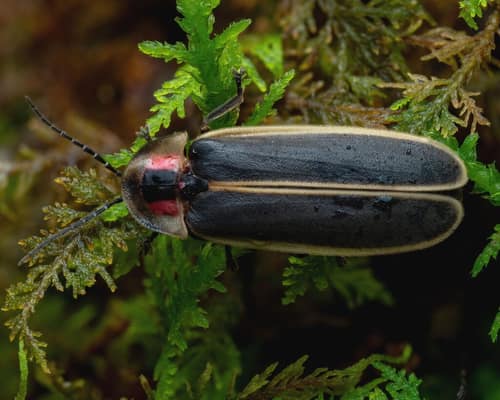
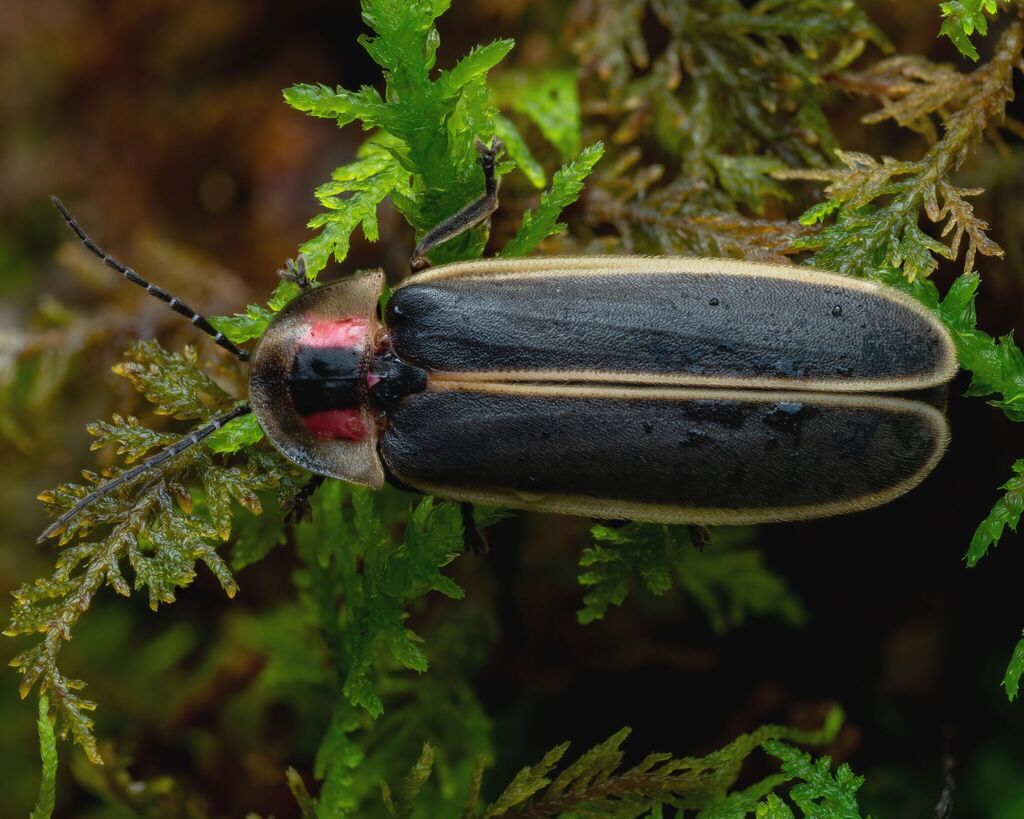
—observations
—countries
—peak records
Least ConcernConservation statusIUCN Red List categoriesLCNTVUENCREWEXLeast ConcernRed List categories, explained →
Diet & preySnails, Slugs, Earthworms
Predators
- Jumping Spiders
- Harvestmen
- Frogs
ThreatsArtificial light pollution, habitat fragmentation, trampling from ecotourism
HabitatsMoist cove hardwood forests and high-elevation Appalachian woodlands
Life span1 to 2 years (larvae); 2 to 4 weeks (adults)
Classification
- FamilyLampyridae
- SpeciesPhotinus carolinus
Range data is not available yet.
Interaction riskLow
- Low
- Moderate
- High
- Very high
- Why interaction risk is low
- Safe to observe at a normal distance.
- What to notice
- Look for rhythmic, coordinated bursts of five to eight rapid yellow-green flashes followed by total darkness.
- Support conservation
- Remain on designated paths, extinguish all white lights, and never capture or touch courting individuals.
Responsible observation
- Use Red Filters: Cover flashlights with red cellophane to preserve night vision and avoid disrupting courtship.
- Stay on Trails: Avoid stepping into leaf litter where flightless females and vulnerable larvae dwell.
- Time Your Visit: Peak synchronous mating activity typically lasts roughly two weeks in early June.
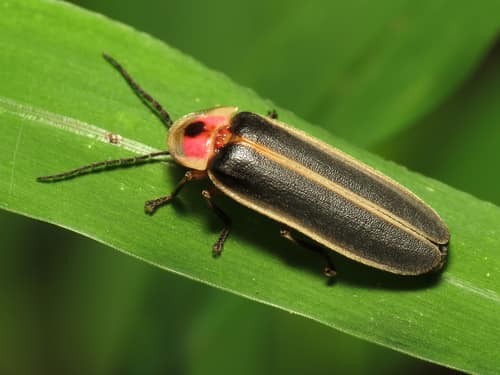
Same Genus (c) Katja Schulz, some rights reserved (CC BY) · cc-by Image unavailable
Predator 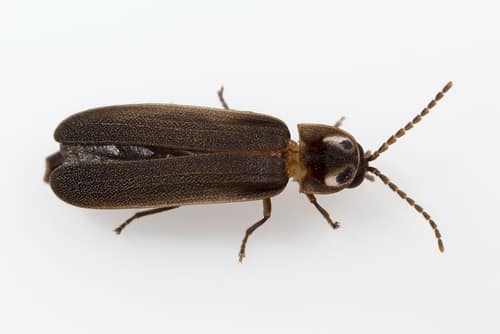
Neighbor Aggyrolemnoixytes / CC BY-SA 4.0 · cc-by-sa
Help improve the field guideSomething wrong?
Checking your Fauna account…Report a name, category, or profile issue for review.