
Reptile · GBIF taxon 11158818
Broad-banded Copperhead
Agkistrodon laticinctusAlso known as Texas Copperhead, Wide-banded Copperhead
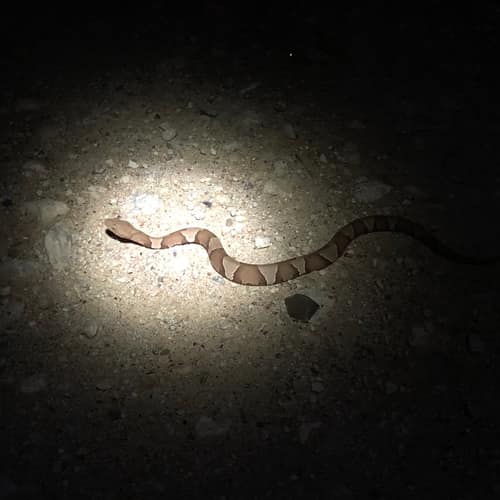
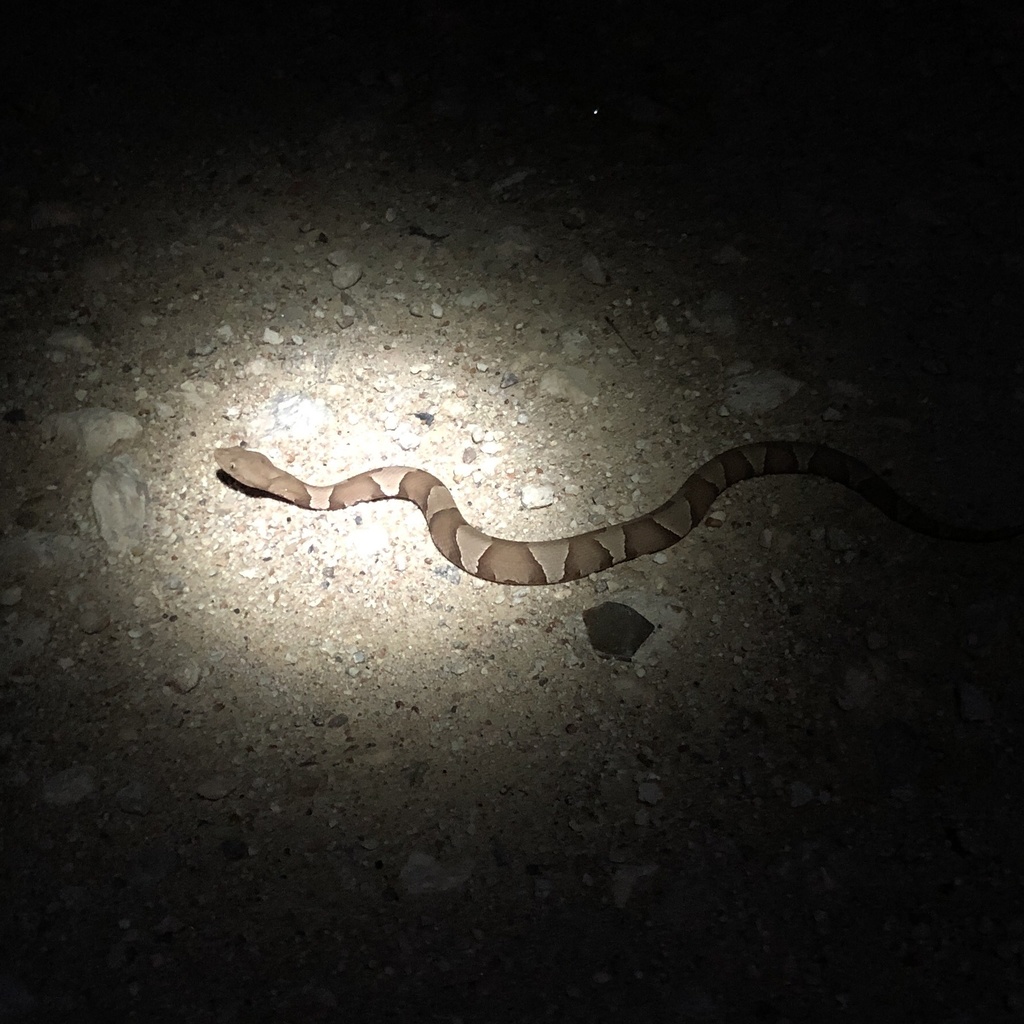
Broad-banded copperheads rely on exceptional camouflage, blending seamlessly into leaf litter, rocky outcrops, and brushy terrain across the central United States. These nocturnal pit vipers actively hunt small mammals, lizards, and emerging cicadas using heat-sensing facial pits to detect warm-blooded prey in total darkness. When threatened, they vibrate their tails against dry leaves to produce a distinctive buzzing warning before striking.
VenomousPit ViperReptile
—observations
—countries
—peak records
Least ConcernConservation statusIUCN Red List categoriesLCNTVUENCREWEXLeast ConcernRed List categories, explained →
Diet & prey
- Rodents
- Lizards
- Cicadas
Predators
- Hawks
- Kingsnakes
- Opossums
ThreatsHabitat loss, road mortality, human persecution, and suburban sprawl
HabitatsOak-hickory woodlands, rocky hillsides, brushy pastures, and stream corridors
Life span15–20 years
Size / weightNot available
Classification
- FamilyViperidae
- SpeciesAgkistrodon laticinctus
Range data is not available yet.
Interaction riskVery high
- Low
- Moderate
- High
- Very high
- Why interaction risk is very high
- Venomous pit viper; keep a safe distance and never attempt to touch or handle.
- Why it is dangerous
- Injects cytotoxic venom via hollow fangs, causing immediate severe pain, localized tissue destruction, and significant swelling.
- How to recognize a risky encounter
- Recognizable by broad, bright chestnut-brown bands that extend evenly across the back with minimal narrowing along the spine.
- What to do
- Give the snake at least two meters of space, step back slowly if encountered, and never reach into dark crevices.
Responsible observation
- Safe Viewing: Maintain a distance of at least two meters to observe natural behavior safely.
- Protective Gear: Wear sturdy leather boots and long pants when hiking through brush or thick leaf litter.
- Path Awareness: Use a flashlight on nighttime walks during warm months to spot foraging snakes on trails.
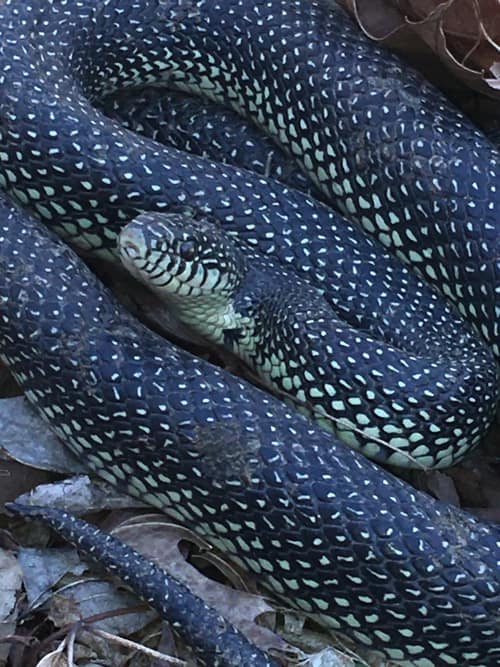
Predator (c) Joseph McPhail, some rights reserved (CC BY) · cc-by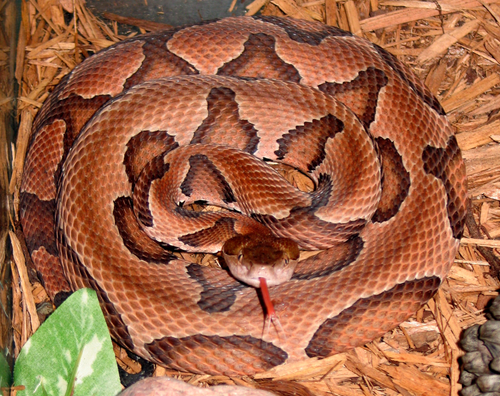
Close Relative Wikimedia Commons / Public domain · cc0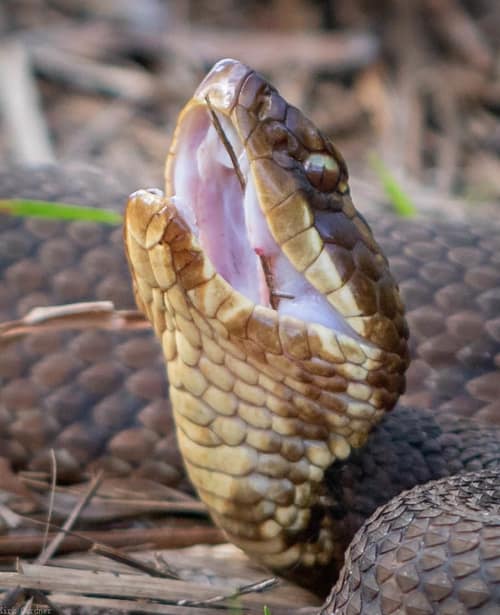
Close Relative (c) kirk gardner, some rights reserved (CC BY), uploaded by kirk gardner · cc-by
Help improve the field guideSomething wrong?
Checking your Fauna account…Report a name, category, or profile issue for review.