
Fungus
Late Oyster
Sarcomyxa serotinaAlso known as Olive Oysterling, Late Fall Oyster, Late Oyster Mushroom
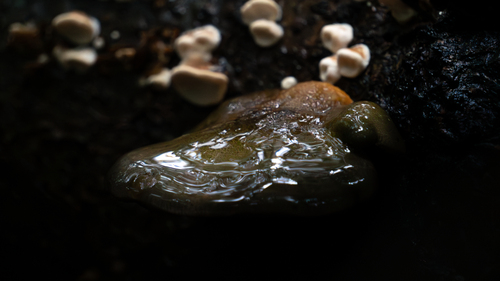
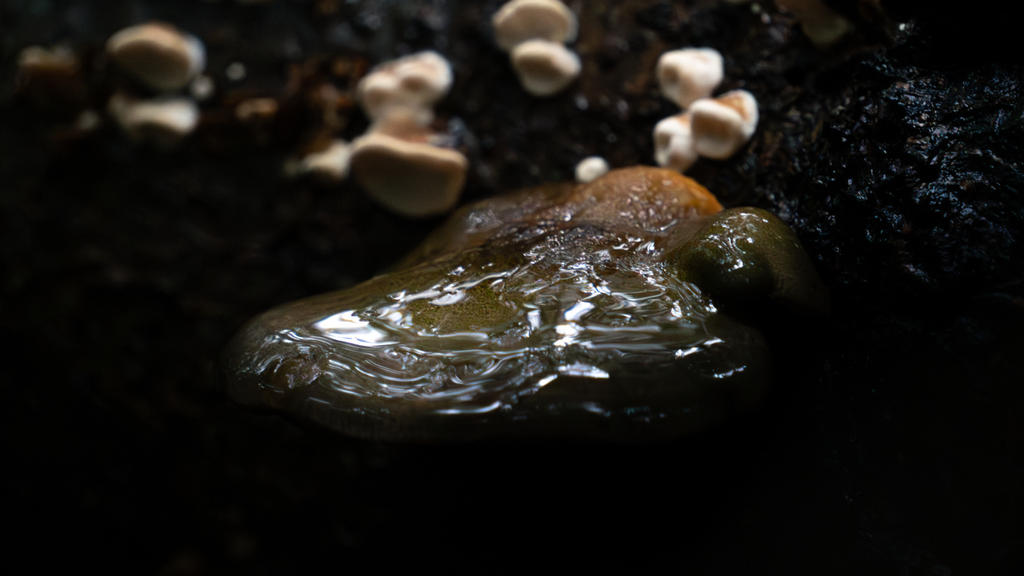
Late oysters emerge in brisk autumn chills and even after early winter frosts, clustering on decaying hardwoods long after other gilled mushrooms have vanished. Their fan-shaped caps display a subtle tapestry of olive green, dull ochre, and yellowish tones coated in a fine, velvety fuzz. Underneath, dense creamy-yellow gills terminate sharply at a stout, laterally attached stalk that anchors the bracket-like fruiting bodies to rotting logs.
Wood-decayingCold-hardyForest Fungi
—observations
—countries
—peak records
Not EvaluatedConservation statusIUCN Red List categoriesLCNTVUENCREWEXNot Evaluated — not placed on the risk ladderRed List categories, explained →
Diet & preyDead Hardwood Lignin, Cellulose, Hemicellulose
Predators
- Fungus Gnats
- Slugs
- Springtails
ThreatsIntensive logging and removal of deadwood habitat
HabitatsDeciduous and mixed forests on dead hardwood and occasional conifer logs
Life spanFruiting bodies persist several weeks; mycelium survives for decades
Classification
- FamilySarcomyxaceae
- SpeciesSarcomyxa serotina
Range data is not available yet.
Interaction riskLow
- Low
- Moderate
- High
- Very high
- Why interaction risk is low
- Many edible mushrooms have toxic look-alikes; never eat wild fungi based on app identification alone.
Responsible observation
- Seasonal Timing: Search rotting hardwood logs after the first few autumn frosts when foliage has dropped.
- Underside Inspection: Check for a distinct color division between the yellow gills and the short fuzzy stem.
- Gentle Observation: Avoid tearing brackets off tree trunks so spores can continue dispersing naturally.
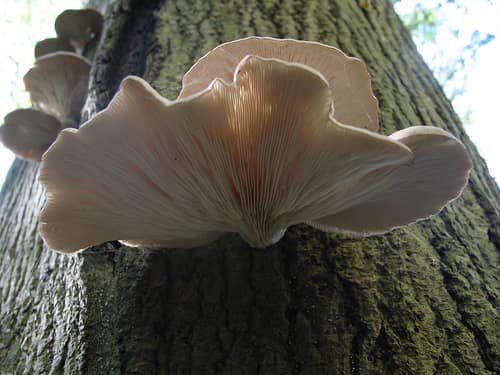
Look-alike voir ci-dessous / see below / CC BY 3.0 · cc-by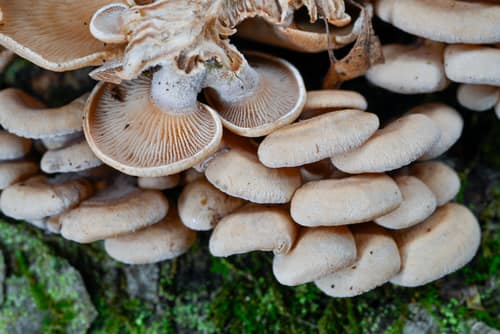
Look-alike (c) Alan Rockefeller, some rights reserved (CC BY), uploaded by Alan Rockefeller · cc-by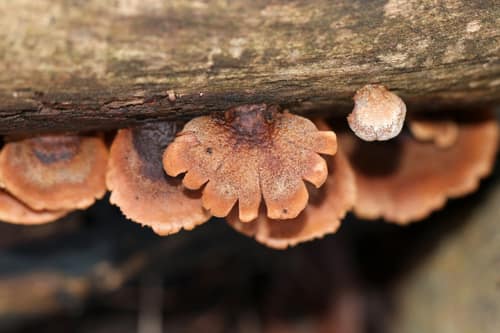
Look-alike (c) Christine Young, some rights reserved (CC BY), uploaded by Christine Young · cc-by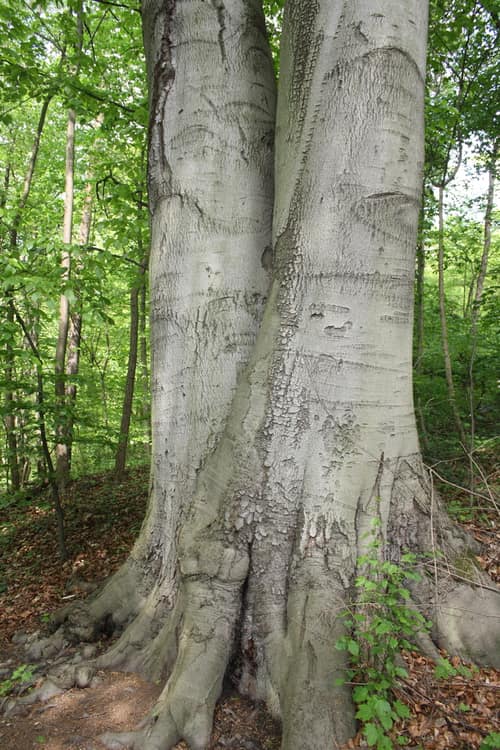
Host Plant (c) Daniel Linzbauer, some rights reserved (CC BY), uploaded by Daniel Linzbauer · cc-by
Help improve the field guideSomething wrong?
Checking your Fauna account…Report a name, category, or profile issue for review.