
Plant
Dracaena pethera
Dracaena petheraAlso known as Star Sansevieria, Snake Plant
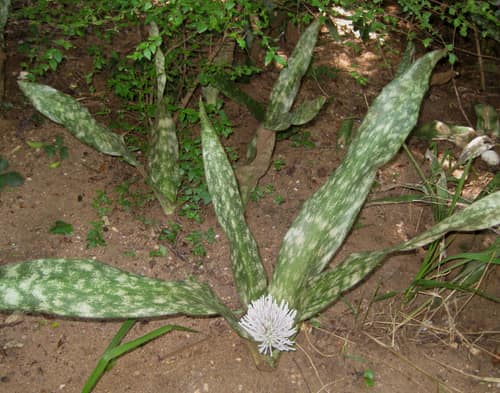
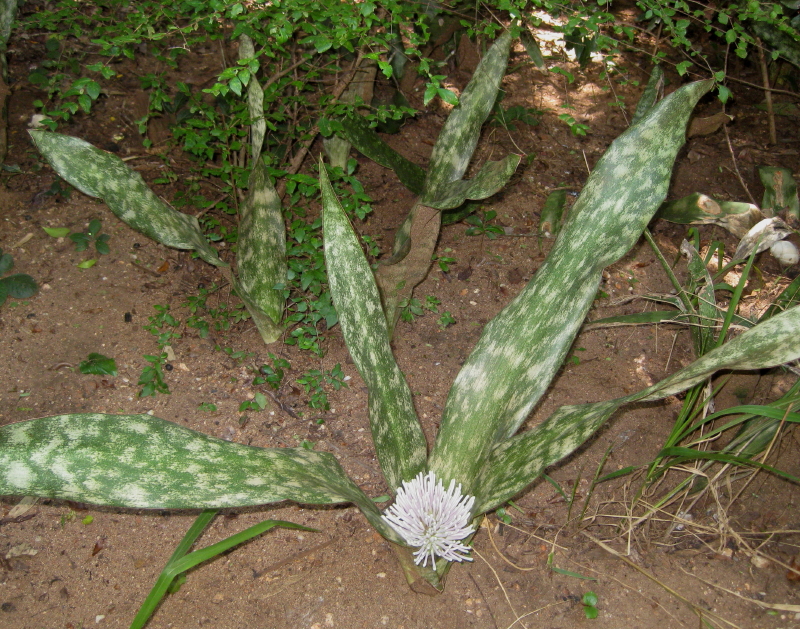
Dracaena pethera grows as a tough, stemless rosette of thick, leathery leaves patterned with pale green mottling and wavy, reddish-brown margins. At night, dense umbels of fragrant, starry white flowers open on stout stalks, attracting nocturnal moths across East African thickets and rocky bushland. Underground rhizomes store moisture and anchor clonal colonies through prolonged dry seasons, aided by water-saving CAM photosynthesis.
SucculentDrought-TolerantEvergreen
—observations
—countries
—peak records
Not EvaluatedConservation statusIUCN Red List categoriesLCNTVUENCREWEXNot Evaluated — not placed on the risk ladderRed List categories, explained →
Diet & preyAutotrophic (CAM photosynthesis; absorbs water and minerals via roots and rhizomes.)
Predators
- Browsing ungulates
- Crested porcupines
- Scale insects
ThreatsCoastal development, agricultural clearing, and wild collection for horticulture
HabitatsCoastal thickets, dry bushland, and rocky outcrops in East Africa
Life span10–25+ years (perennial via rhizomes.)
Classification
- FamilyAsparagaceae
- SpeciesDracaena pethera
Range data is not available yet.
Interaction riskHigh
- Low
- Moderate
- High
- Very high
- Why interaction risk is high
- Contains saponins that are toxic to dogs and cats if ingested; keep out of reach of pets.
- Why it is dangerous
- Leaves and rhizomes contain steroidal saponins, which irritate the gastrointestinal tract and cause vomiting, drooling, and diarrhea in dogs and cats.
- How to recognize a risky encounter
- Forms a basal rosette of thick, wavy-edged, mottled green leaves with reddish-brown borders and a sharp terminal tip.
- What to do
- Keep potted specimens away from curious pets and wash hands after pruning or dividing rhizomes.
Responsible observation
- Light and Water: Prefers bright indirect light and infrequent watering only after soil dries completely.
- Pet Safety: Place plants out of reach of dogs and cats to prevent chewing on saponin-rich leaves.
- Propagation: Spreads readily from divided underground rhizomes or leaf cuttings in gritty, well-draining soil.
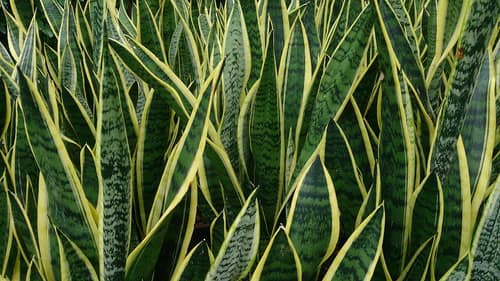
Close Relative Mokkie / CC BY-SA 3.0 · cc-by-sa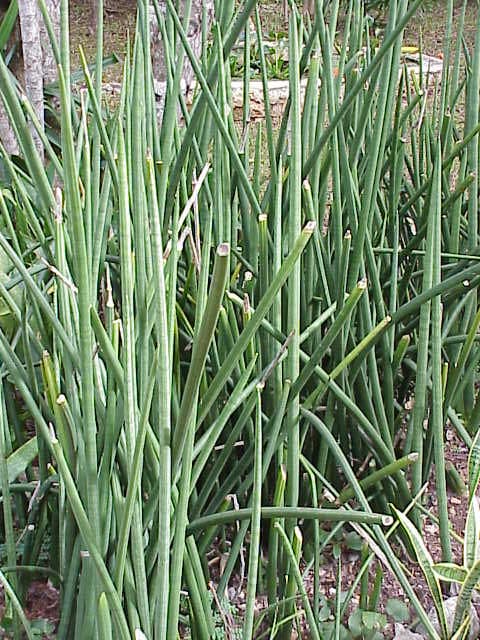
Close Relative Wikimedia Commons / CC BY-SA 3.0 · cc-by-sa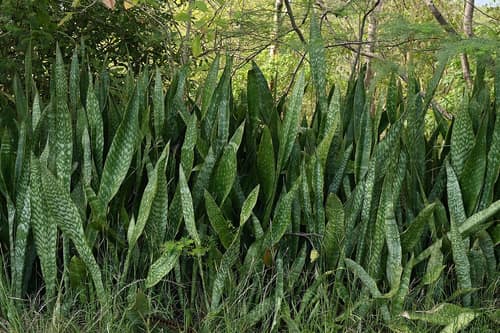
Close Relative Krzysztof Ziarnek, Kenraiz / CC BY-SA 4.0 · cc-by-sa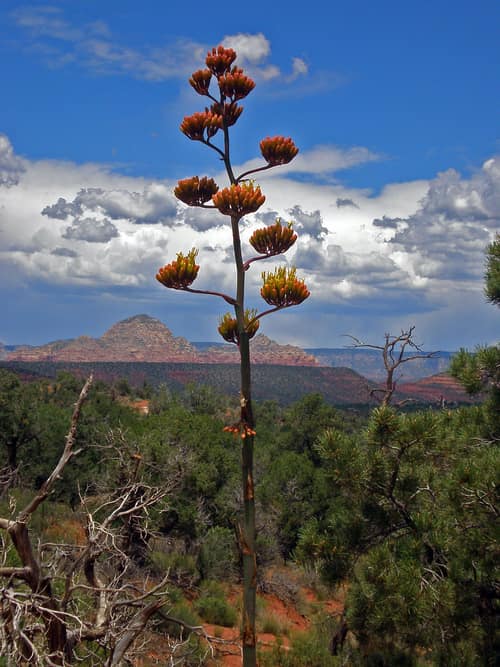
Same Family "Closeup of Century Plant (Agave)" by Coconino NF Photography is licensed under CC BY-SA 2.0. To view a copy of this license, visit https://creativecommons.org/licenses/by-sa/2.0/. · cc-by-sa
Help improve the field guideSomething wrong?
Checking your Fauna account…Report a name, category, or profile issue for review.