
Fungus · GBIF taxon 10852503
Pear-shaped Puffball
Apioperdon pyriformeAlso known as Stump Puffball, Pear-shaped Lycoperdon
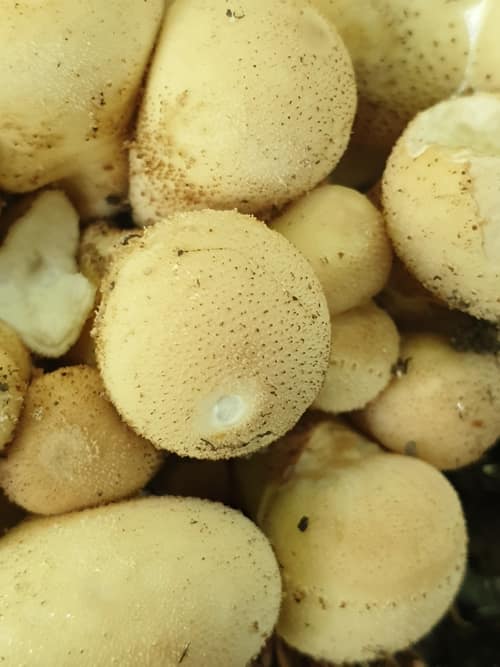
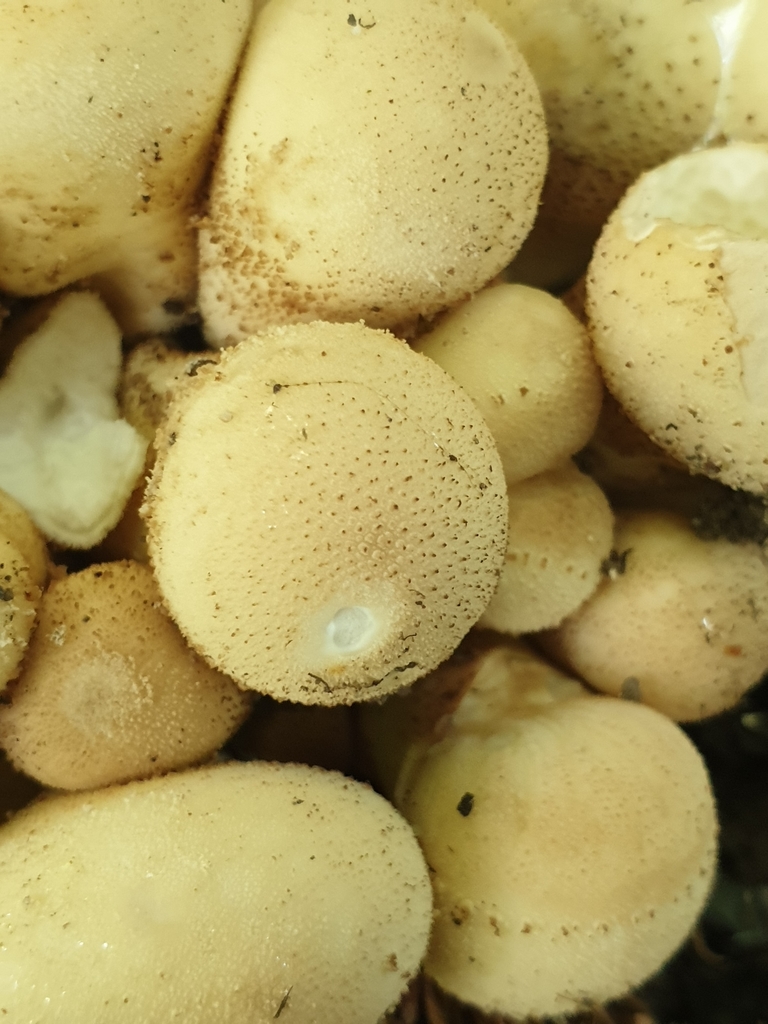
Pear-shaped puffballs grow in dense clusters on decaying wood, producing smooth, egg-to-pear-shaped fruiting bodies attached by distinct white mycelial cords. As they mature, their pale cream exterior darkens to tan or light brown before opening a central apical pore to release millions of powdery brown spores into the wind. These saprobic fungi play an essential ecological role by breaking down rotting logs and stumps across temperate forests worldwide.
FungusCluster-formingDecomposer
—observations
—countries
—peak records
Not EvaluatedConservation statusIUCN Red List categoriesLCNTVUENCREWEXNot Evaluated — not placed on the risk ladderRed List categories, explained →
Diet & prey
- Decaying wood
- Lignin
- Cellulose
Predators
- Fungus gnats
- Slugs
- Beetles
ThreatsHabitat destruction through intensive forest clearing
HabitatsDeciduous and coniferous forests, fallen logs, mossy tree stumps
Life spanFruiting bodies persist 1–3 weeks; subterranean mycelium survives indefinitely
Size / weightNot available
Classification
- OrderAgaricales
- FamilyLycoperdaceae
- GenusApioperdon
- SpeciesApioperdon pyriforme
Range data is not available yet.
Interaction riskLow
- Low
- Moderate
- High
- Very high
- Why interaction risk is low
- Many wild mushrooms have dangerous look-alikes; never ingest wild fungi based on app identification alone.
Responsible observation
- Substrate Check: Look for clusters growing directly on decaying wood or mossy stumps rather than bare soil.
- Spore Observation: Gently press mature brown fruiting bodies to observe spore clouds emerging from central pores.
- Mycelial Strands: Carefully inspect the base of a clump to spot the white thread-like cords attaching to the wood.
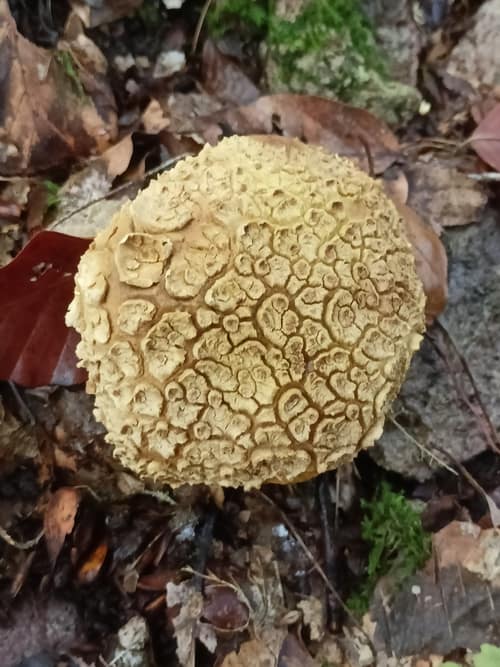
Toxic Look-alike (c) Malte Krömer, some rights reserved (CC BY), uploaded by Malte Krömer · cc-by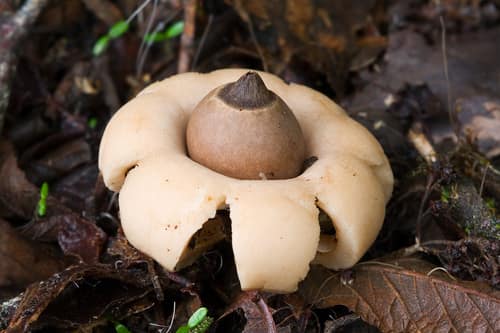
Look-alike (c) JJ Harrison, some rights reserved (CC BY-SA) · cc-by-sa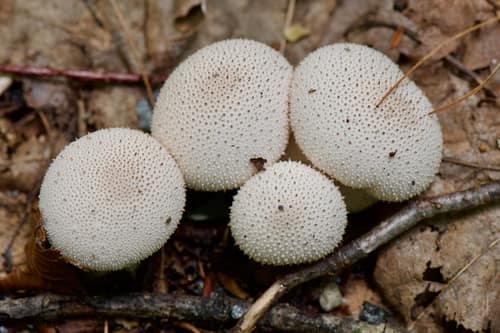
Close Relative (c) Michael Nerrie, some rights reserved (CC BY), uploaded by Michael Nerrie · cc-by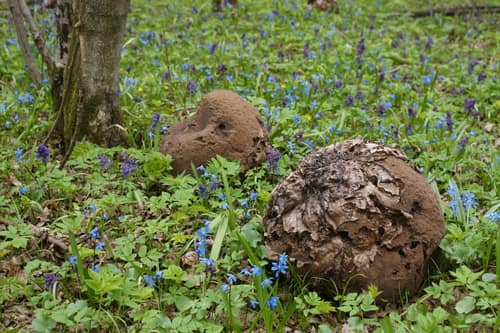
Close Relative no rights reserved, uploaded by Yehor Yatsiuk · cc0
Help improve the field guideSomething wrong?
Checking your Fauna account…Report a name, category, or profile issue for review.