
Insect · GBIF taxon 1079615
Hermit Flower Beetle
Osmoderma eremicolaAlso known as Hermit Beetle, Leather Beetle
Hermit flower beetles inhabit mature hardwood forests across eastern North America, where larvae spend years consuming decaying heartwood inside tree hollows. Adults emerge in midsummer, gathering around sap flows and releasing a sweet scent resembling Russian leather or overripe fruit to attract mates. Despite their hefty dark bodies and impressive size, these quiet nocturnal insects play a crucial ecological role in recycling forest nutrients.
NocturnalWood-BorerForest Dweller
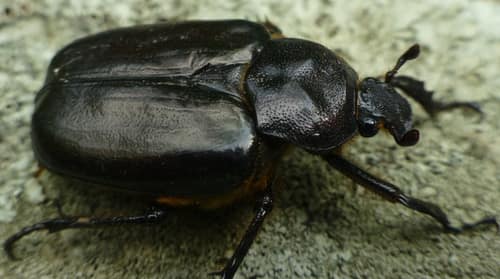
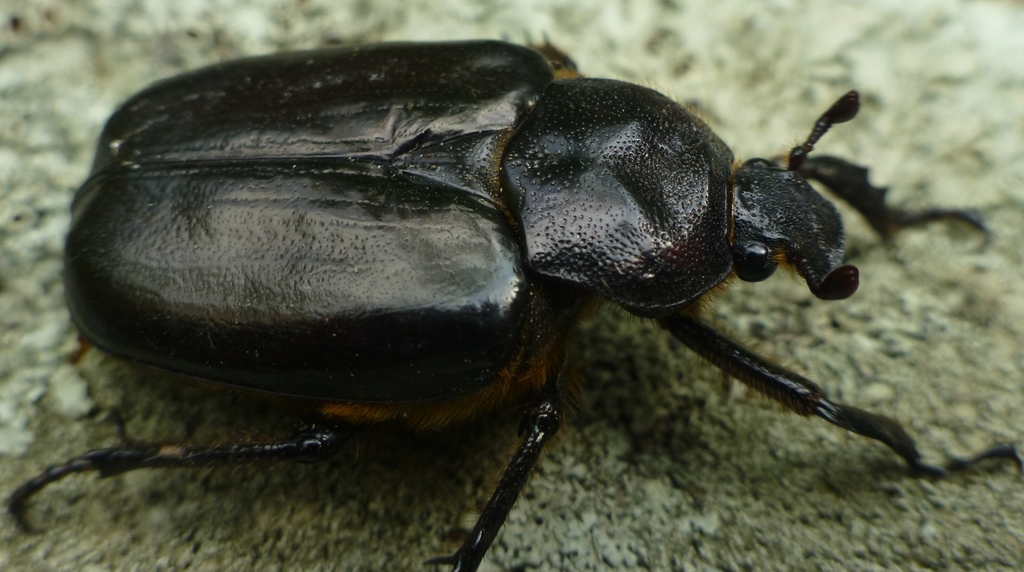 1 / 7
1 / 7—observations
—countries
—peak records
Not EvaluatedConservation statusIUCN Red List categoriesLCNTVUENCREWEXNot Evaluated — not placed on the risk ladderRed List categories, explained →
Diet & prey
- Decaying Hardwood
- Tree Sap
- Overripe Fruit
Predators
- Woodpeckers
- Raccoons
- Rodents
ThreatsHabitat loss and removal of old cavity trees
HabitatsDeciduous forests, tree hollows, and wooded parks
Life span2–3 years
Classification
- OrderColeoptera
- FamilyScarabaeidae
- GenusOsmoderma
- SpeciesOsmoderma eremicola
Range data is not available yet.
Interaction riskLow
- Low
- Moderate
- High
- Very high
- Why interaction risk is low
- Safe to observe at a normal distance.
Responsible observation
- Night Observing: Look near porch lights or lantern setups in dense woodlands during midsummer.
- Tree Hollows: Check oozing sap wounds and decaying tree cavities in old-growth hardwood stands.
- Scent Tracing: Listen and smell for a distinct leathery fragrance around mature trees after dark.
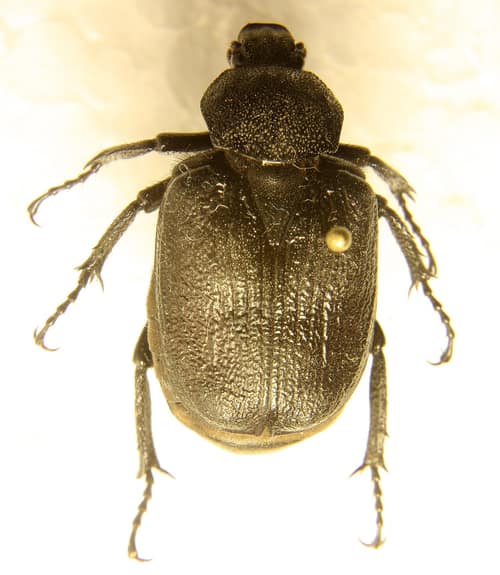
Close Relative André-Philippe Drapeau Picard / CC0 · cc0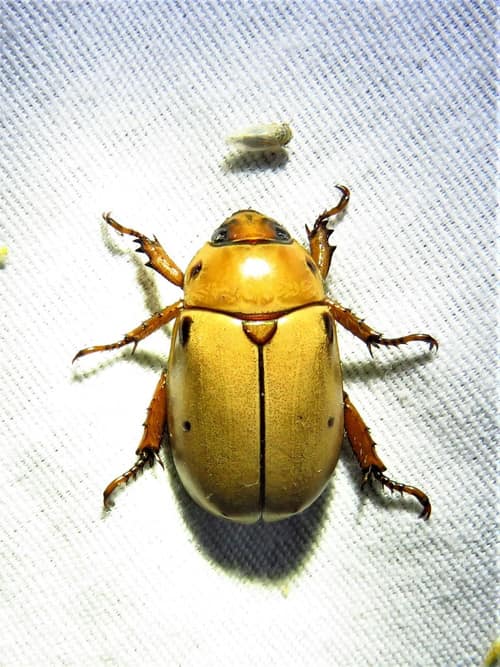
Family Relative (c) Annika Lindqvist, some rights reserved (CC BY) · cc-by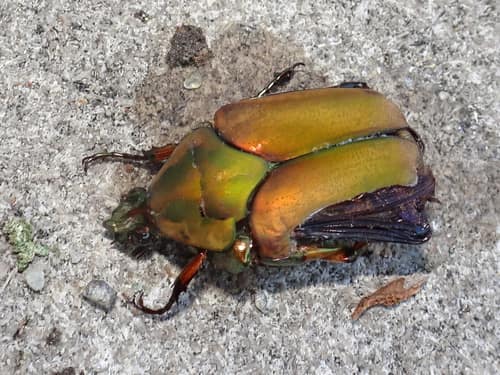
Family Relative (c) Thomas Koffel, some rights reserved (CC BY), uploaded by Thomas Koffel · cc-by
Help improve the field guideSomething wrong?
Checking your Fauna account…Report a name, category, or profile issue for review.