
Amphibian
Ridged Tree Frog
Dryophytes plicatusRidged tree frogs take their name from a distinct skin fold running along each side of the body, often accented by a dark stripe and bright green or olive-brown skin that blends into mossy bark. Males gather around highland ponds and slow mountain streams during the summer rainy season, calling from low vegetation to attract mates after dusk. Outside the breeding season, these adaptable amphibians climb into pines and sacred firs, sheltering in crevices and bromeliads through cool mountain nights.
NocturnalArborealEndemic
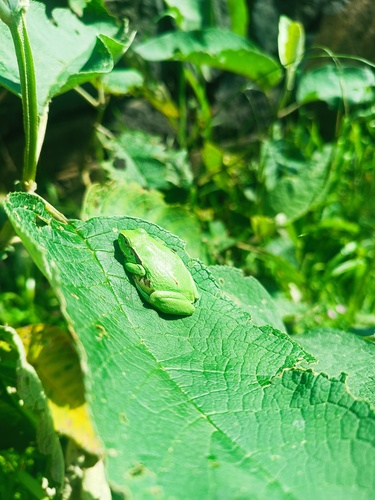
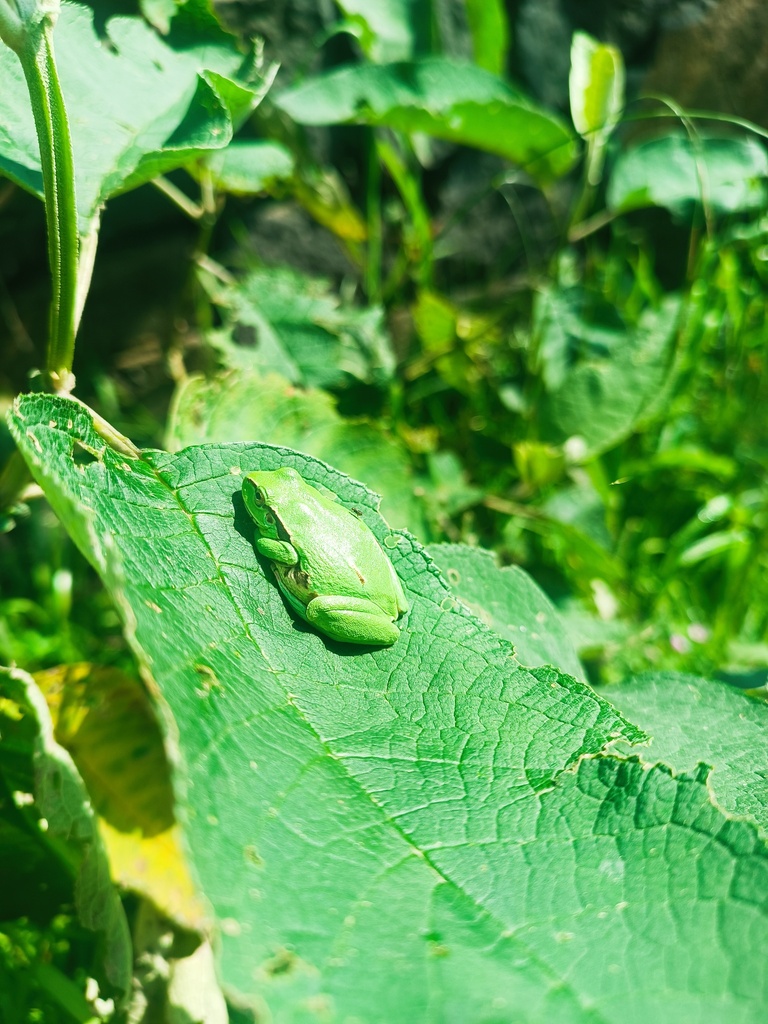
—observations
—countries
—peak records
Least ConcernConservation statusIUCN Red List categoriesLCNTVUENCREWEXLeast ConcernRed List categories, explained →
Diet & preyFlies, Beetles, Spiders
Predators
- Garter snakes
- Wading birds
- Small mammals
ThreatsHabitat loss from deforestation, water pollution, and chytridiomycosis
HabitatsHigh-elevation pine-fir forests, pine-oak woodlands, and lower-elevation mountain streams and ponds in Mexico
Life span3–5 years in the wild
Classification
- FamilyHylidae
- SpeciesDryophytes plicatus
Range data is not available yet.
Interaction riskLow
- Low
- Moderate
- High
- Very high
- Why interaction risk is low
- Safe to observe at a normal distance.
Responsible observation
- Best Time to Spot: Search vegetated edges of highland ponds and slow streams on warm, rainy evenings when males are calling.
- Avoid Handling: Lotions, sunscreen, and natural skin oils can irritate and harm an amphibian's permeable skin.
- Use Low Light: Sweep a dim red-filtered flashlight across streamside reeds to spot frogs without disrupting their chorus.
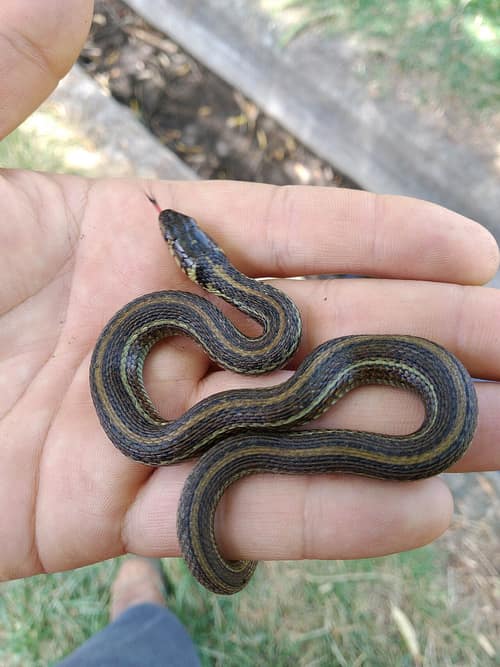
Predator NS777 / CC BY-SA 4.0 · cc-by-sa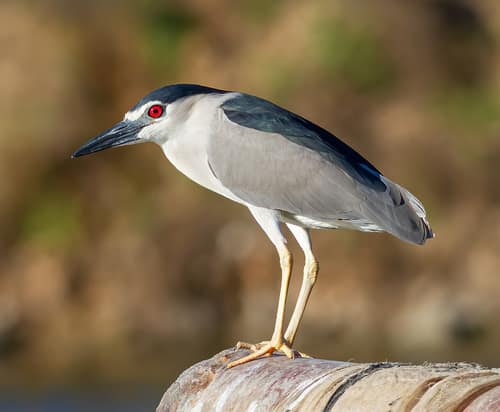
Predator ramidos / CC BY 4.0 · cc-by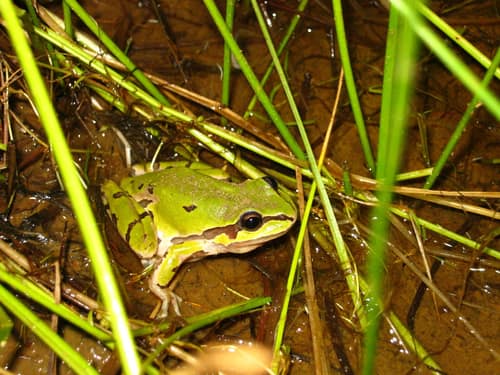
Close Relative (c) Coconino National Forest, some rights reserved (CC BY-SA) · cc-by-sa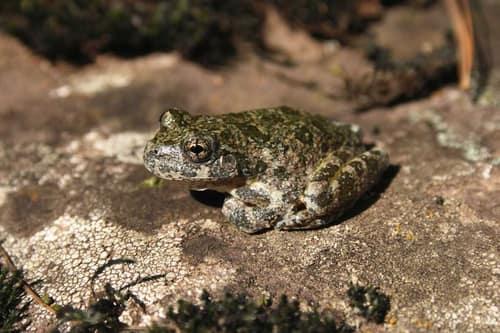
Close Relative (c) Juan Cruzado Cortés, some rights reserved (CC BY-SA), uploaded by Juan Cruzado Cortés · cc-by-sa
Keep collecting in Fauna
Found in Collections
Species set
Moonlight Marvels
Ridged Tree Frog is found in this collection. Identify it in Fauna to fill this slot and continue your progress.
—/7
Help improve the field guideSomething wrong?
Checking your Fauna account…Report a name, category, or profile issue for review.