
Amphibian · GBIF taxon 10740745
Barking Tree Frog
Dryophytes gratiosusAlso known as Barking Treefrog
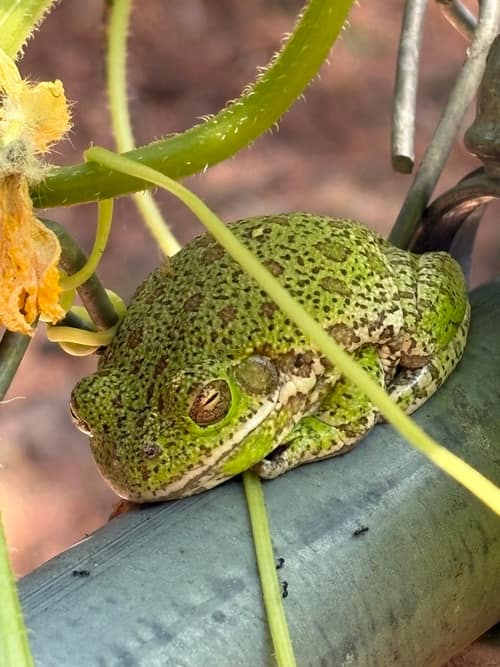
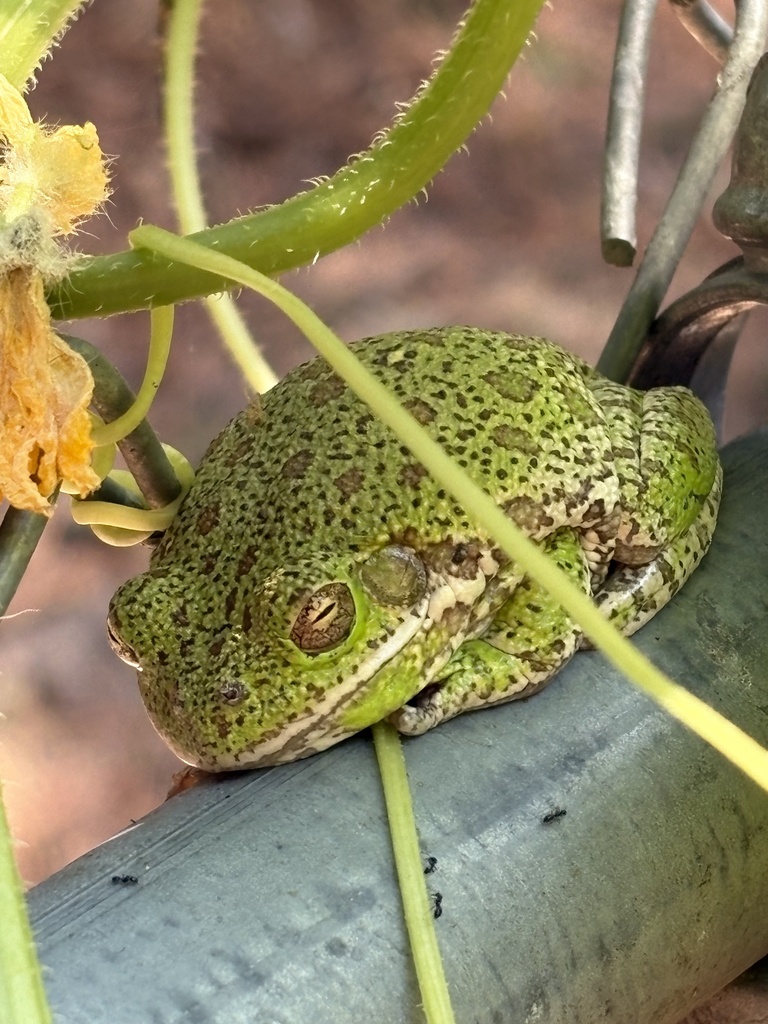
Barking tree frogs are the largest native tree frogs in the southeastern United States, easily recognized by their heavy, stout bodies covered in dark round spots. During the breeding season, males float in shallow, fishless ponds while delivering loud, dog-like barking calls that echo through pine flatwoods. Outside of breeding, adults spend most of their lives high in the forest canopy or burrowed beneath cool, damp sand during dry summer spells.
NocturnalAmphibianVocal
—observations
—countries
—peak records
Least ConcernConservation statusIUCN Red List categoriesLCNTVUENCREWEXLeast ConcernRed List categories, explained →
Diet & prey
- Beetles
- Crickets
- Moths
Predators
- Water snakes
- Wading birds
- Raccoons
ThreatsHabitat loss, wetland drainage, pollution, road mortality
HabitatsPine flatwoods, sandy scrub, cypress ponds, wetlands
Life span5–10 years
Classification
- FamilyHylidae
- SpeciesDryophytes gratiosus
Range data is not available yet.
Interaction riskLow
- Low
- Moderate
- High
- Very high
- Why interaction risk is low
- Safe to observe at a normal distance.
Responsible observation
- Listen At Dusk: Follow the distinctive explosive barking chorus coming from deep within pine flatwoods during summer rains.
- Look Up: Search high in tree branches or beneath loose bark where adults roost during dry daytime hours.
- Handle Minimally: Wash hands before and after touching to protect sensitive amphibian skin from oils and chemicals.
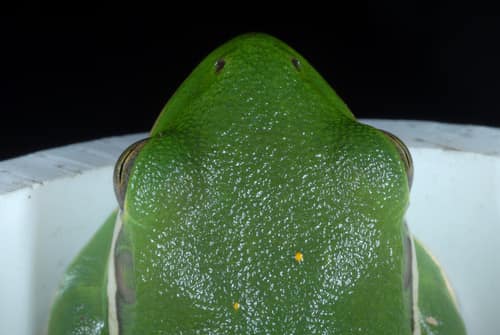
Close Relative (c) Douglas Goldman, some rights reserved (CC BY-SA), uploaded by Douglas Goldman · cc-by-sa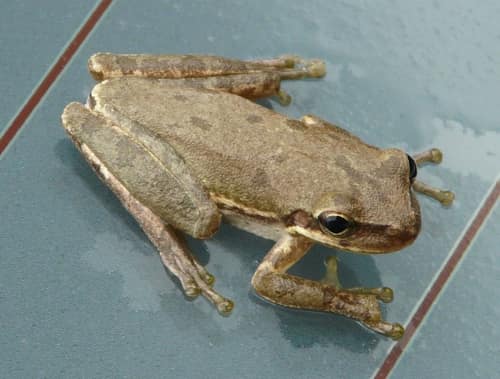
Close Relative no rights reserved, uploaded by kent ozment · cc0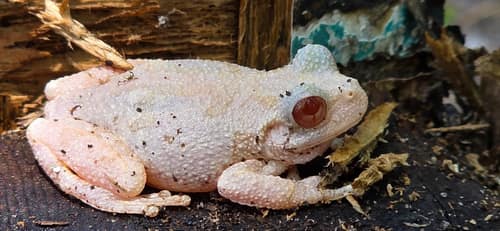
Close Relative no rights reserved · cc0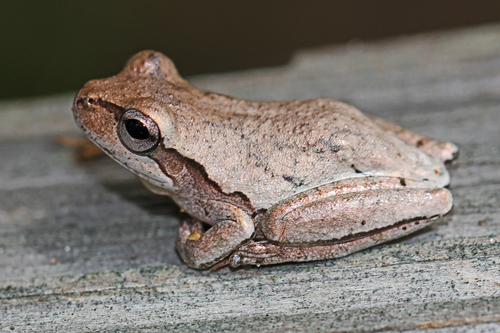
Close Relative (c) Judy Gallagher, some rights reserved (CC BY) · cc-by
Help improve the field guideSomething wrong?
Checking your Fauna account…Report a name, category, or profile issue for review.