
Bird
Spoon-billed Sandpiper
Calidris pygmaeaAlso known as Spoonbill Sandpiper
Spoon-billed sandpipers are famed for their distinctive spatulate bill tip, which they sweep side-to-side through shallow water and mud to filter out tiny invertebrates. Breeding adults sport a rich rufous head, neck, and breast, transitioning to a mottled grey and white plumage for their non-breeding winter stay in intertidal mudflats. Every autumn, these tiny shorebirds undertake a perilous migration along the East Asian-Australasian Flyway, making their survival heavily dependent on critical stopover habitats.
MigratoryShorebird
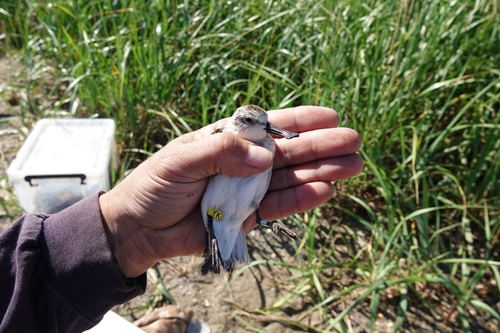
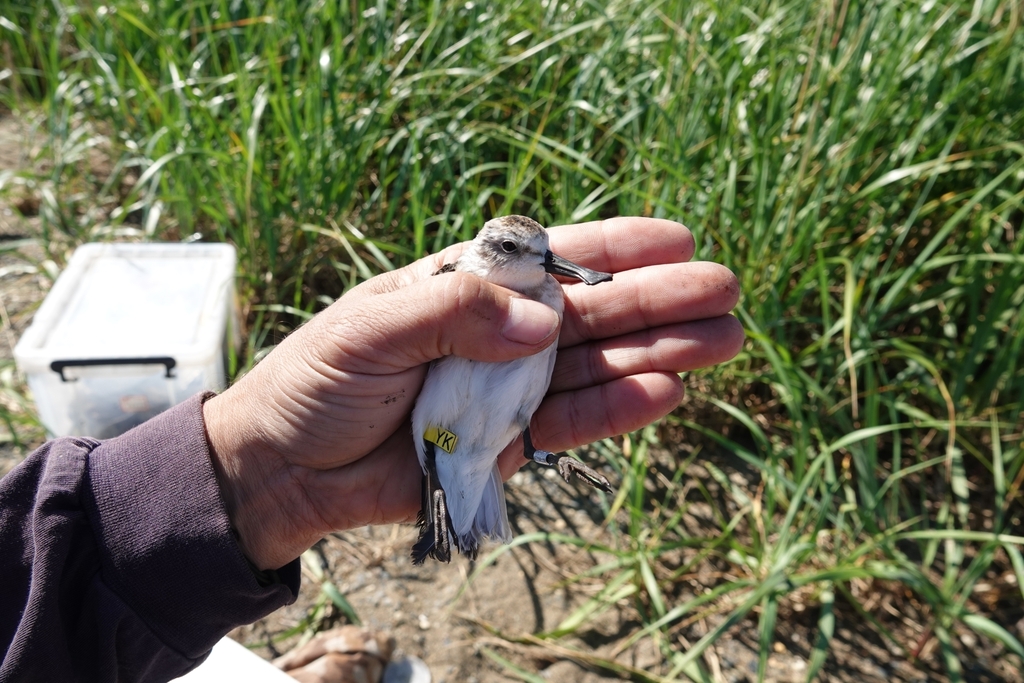
—observations
—countries
—peak records
Critically EndangeredConservation statusIUCN Red List categoriesLCNTVUENCREWEXCritically EndangeredRed List categories, explained →
Diet & preyMollusks, Crustaceans, Insect larvae
Predators
- Arctic foxes
- Skuas
- Falcons
ThreatsHabitat loss at coastal stopover sites, intertidal land reclamation, climate change, and human disturbance
HabitatsCoastal tundra, intertidal mudflats, sandflats, and estuaries
Life span5–10 years
Classification
- FamilyScolopacidae
- SpeciesCalidris pygmaea
Range data is not available yet.
Interaction riskLow
- Low
- Moderate
- High
- Very high
- Why interaction risk is low
- Safe to observe at a normal distance.
- What to notice
- Look for a small shorebird with a unique spatulate bill tip and bright rufous head and breast plumage in summer.
- Support conservation
- Maintain a respectful distance using long-range optics, and never approach nesting sites or high-tide roosts.
Responsible observation
- Observe from Distance: Use a high-magnification spotting scope to avoid flushing feeding or resting shorebirds.
- Avoid Nest Disturbance: Stay far clear of tundra breeding territories during the short summer nesting window.
- Support Flyway Conservation: Respect local tidal flat reserves along the East Asian-Australasian Flyway.
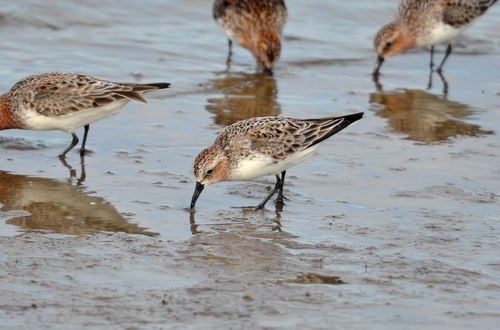
Close Relative (c) Zinogre, some rights reserved (CC BY-SA), uploaded by Zinogre · cc-by-sa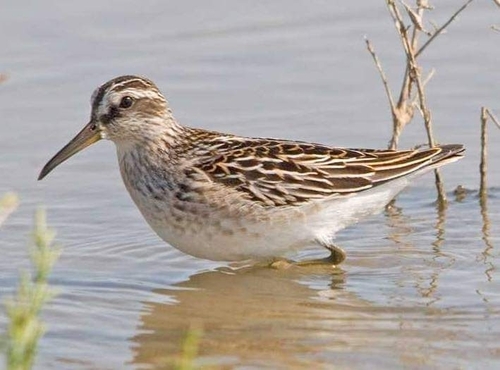
Close Relative (c) Alidz31, some rights reserved (CC BY), uploaded by Alidz31 · cc-by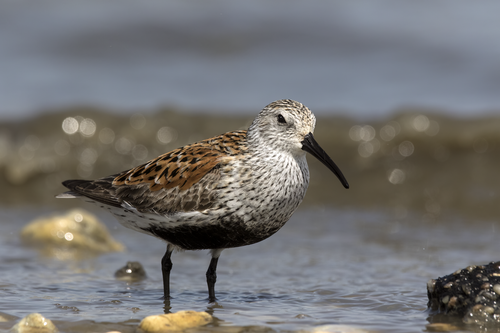
Close Relative Charles Homler d/b/a FocusOnWildlife / CC BY-SA 4.0 · cc-by-sa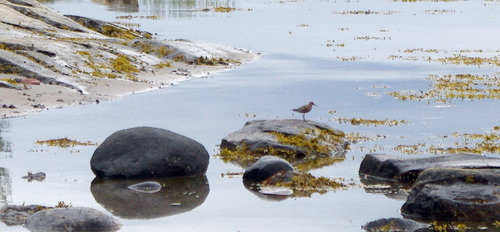
Close Relative (c) Георгий Виноградов (Georgy Vinogradov), some rights reserved (CC BY) · cc-by
Help improve the field guideSomething wrong?
Checking your Fauna account…Report a name, category, or profile issue for review.