
Mammal
Pacific Mastodon
Mammut pacificusAlso known as California Mastodon
Pacific mastodons were massive, stocky browsers that roamed the valleys, woodlands, and coastal floodplains of Pleistocene western North America. Distinguished from their eastern counterparts by narrower teeth, an extra sacral vertebra, and a complete absence of lower mandibular tusks, they stripped conifers, shrubs, and woody twigs with robust, cone-cusped molars. Their extinction around 11,000 years ago followed a combination of rapid late-glacial climate upheaval and pressure from newly arriving human hunters.
PrehistoricMegaherbivore
—observations
—countries
—peak records
ExtinctConservation statusIUCN Red List categoriesLCNTVUENCREWEXExtinctRed List categories, explained →
Diet & preyHerbivorous browser feeding on conifers, leaves, bark, and woody shrubs
Predators
- Saber-toothed cat
- Dire wolf
- Human (Paleo-Indian)
ThreatsLate Quaternary climate shifts, habitat change, and human hunting
HabitatsPleistocene coastal lowlands, pine-oak woodlands, and riparian corridors
Life span50–60 years
Classification
- FamilyMammutidae
- SpeciesMammut pacificus
Range data is not available yet.
Interaction riskLow
- Low
- Moderate
- High
- Very high
- Why interaction risk is low
- Extinct species; known only from Pleistocene fossil deposits.
Responsible observation
- Museum Viewing: Examine diagnostic narrow molars on display at regional natural history museums.
- Fossil Etiquette: Report accidental surface fossil discoveries to professional paleontologists without excavating.
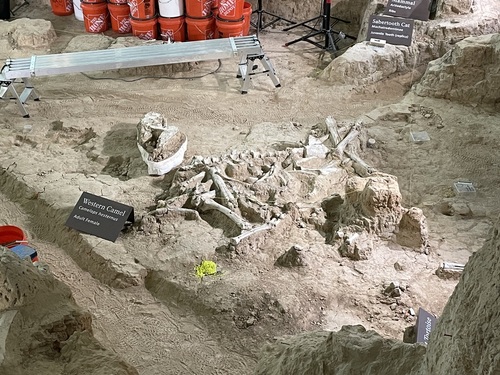
Competitor (c) lejones417, some rights reserved (CC BY-SA) · cc-by-sa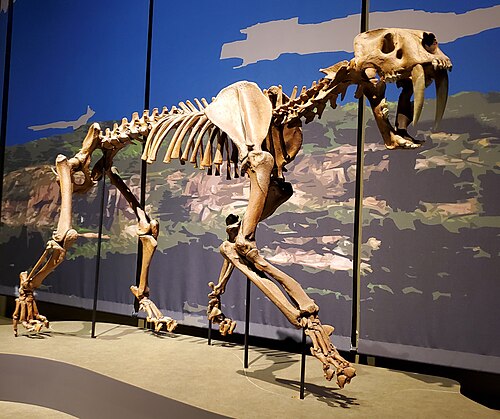
Predator JJonahJackalope / CC BY-SA 4.0 · cc-by-sa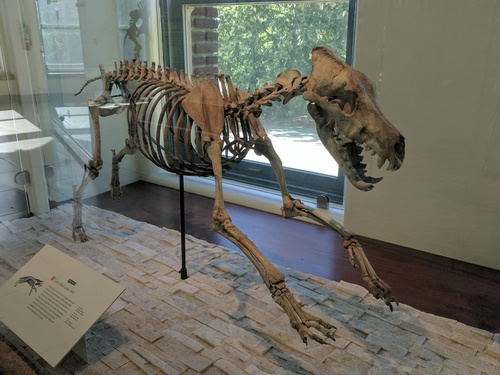
Predator (c) Dawn Pedersen, some rights reserved (CC BY) · cc-by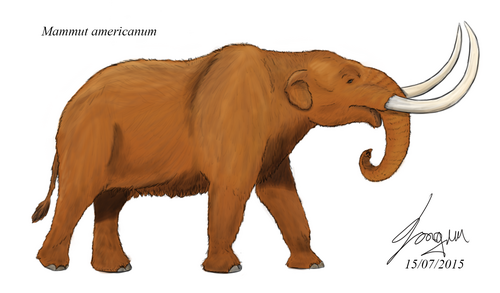
Close Relative (c) Joaquin Eng Ponce, some rights reserved (CC BY-SA) · cc-by-sa
Help improve the field guideSomething wrong?
Checking your Fauna account…Report a name, category, or profile issue for review.