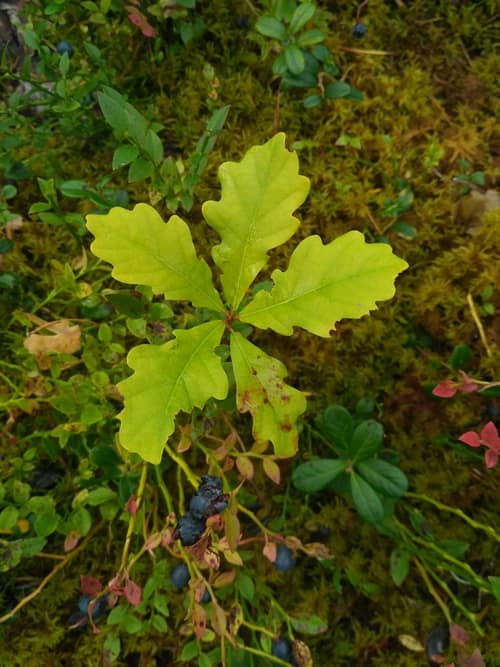
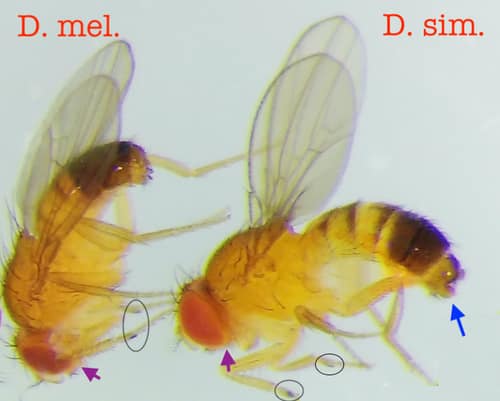
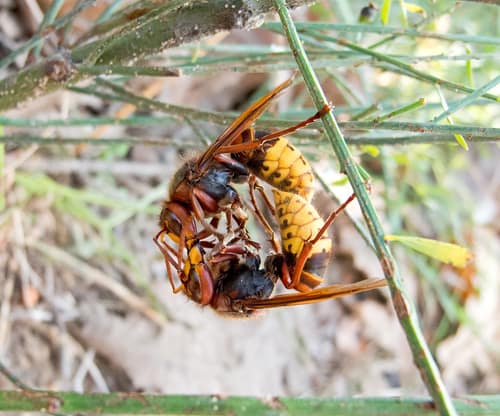
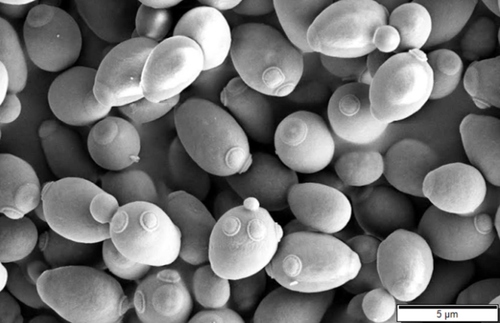
Thriving predominantly on the bark and sap runs of mature deciduous trees such as oaks, Saccharomyces paradoxus represents the wild evolutionary counterpart to domesticated baker's yeast. Cells multiply rapidly through asexual budding in warm, sugar-rich microenvironments but switch to forming hardy spores to survive freezing winters and dry spells. Wood-dwelling beetles, flies, and social wasps serve as vital ecological partners, carrying dormant yeast cells to new tree fissures.
MicroscopicWild YeastForest Fungi
—observations
—countries
—peak records
Not EvaluatedConservation statusIUCN Red List categoriesLCNTVUENCREWEXNot Evaluated — not placed on the risk ladderRed List categories, explained →
Key facts
Diet & preyTree sap sugars, Plant exudates, Fruit residues
Predators
Nematodes
Mites
Fruit fly larvae
ThreatsLoss of mature deciduous forests and broadscale climate disruption
HabitatsTemperate broadleaf forests, specifically bark crevices, oak sap fluxes, and woodland soils
Life spanIndefinite through continuous cell division; individual budding cycles span hours
Classification
FamilySaccharomycetaceae
SpeciesSaccharomyces paradoxus
Range & activity
Range data is not available yet.
Safe observation
Interaction riskLow
Low
Moderate
High
Very high
Why interaction risk is low
Many wild fungi have dangerous look-alikes; never consume wild fungi based on app identification alone.
Responsible observation
Laboratory Culture: Grow on standard nutrient agar plates to observe creamy circular colonies.
Field Isolation: Sample bark scrapings from mature oak exudate zones for microscopic study.